Tue 12.03.2024
The climate crisis and its impact on the environment are omnipresent and impossible to ignore today. Under the programmatic title ‘Climate. Knowledge. Action!’, the Vienna Technical Museum is dedicating a permanent exhibition to this topic.
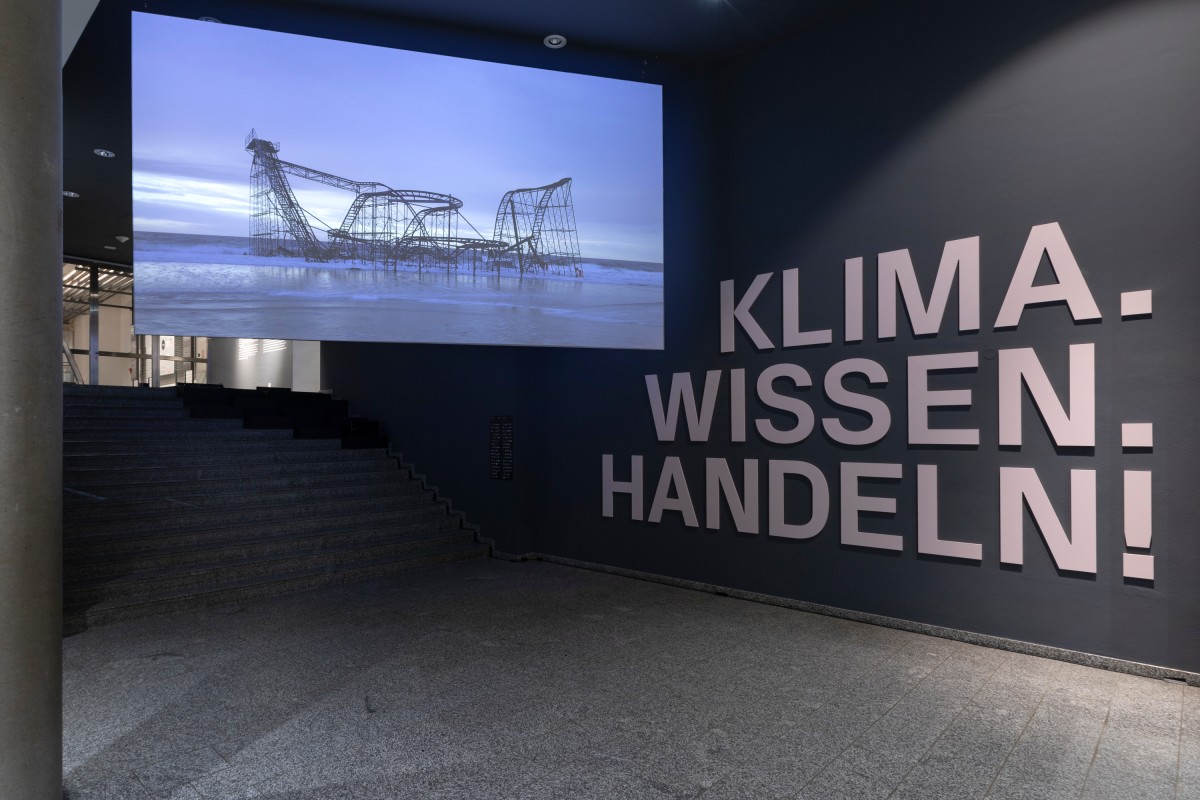
The permanent exhibition  "Climate. Knowledge. Action!" provides information about climate change across more than 600 m2, highlights ways of tackling it and links the climate crisis to other environmental issues such as biodiversity and water scarcity. It showcases positive examples such as the successful reduction of ozone-depleting substances through joint action. A film prologue by Nikolaus Geyrhalter illustrates how humans are changing nature worldwide.
 
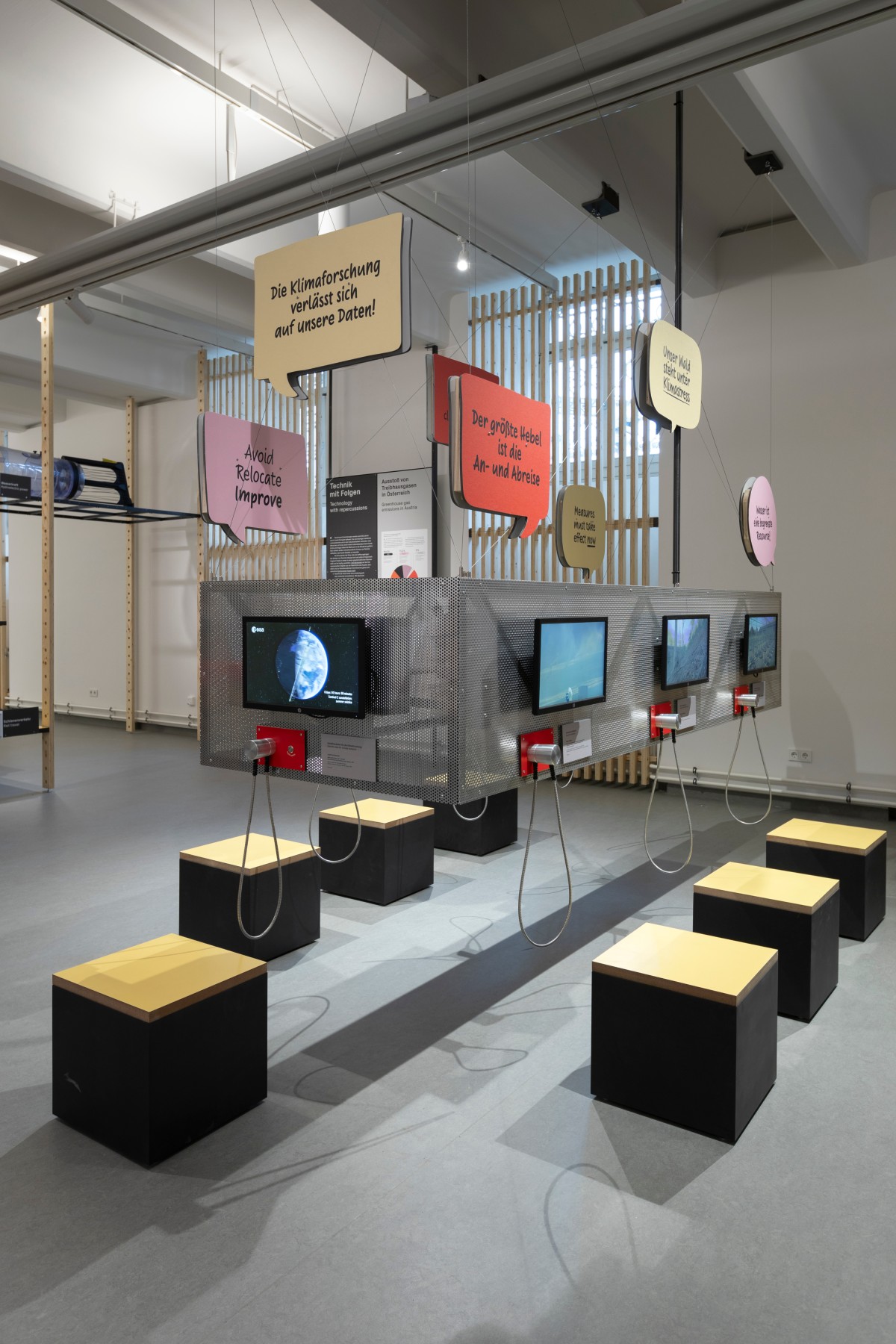
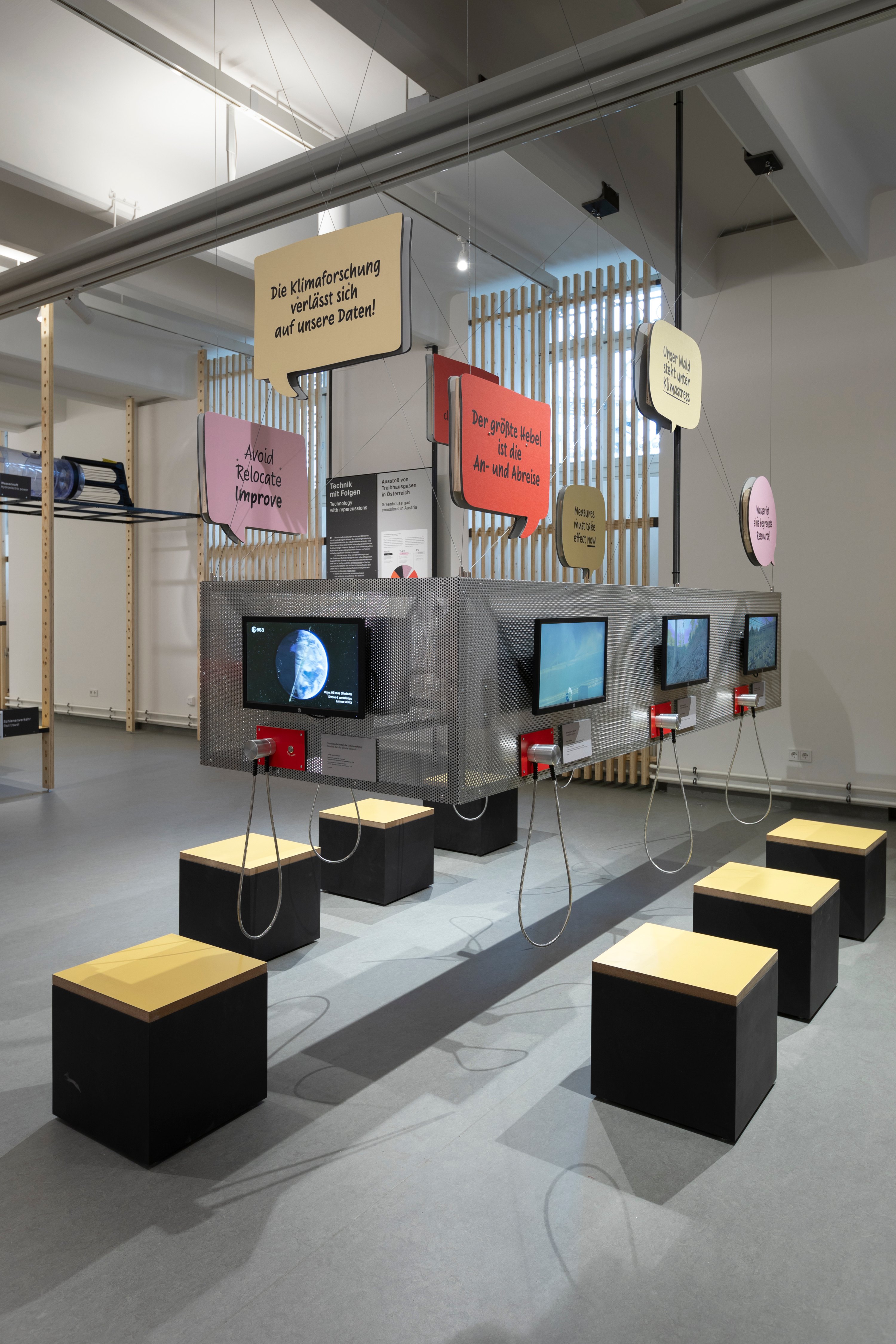
In cooperation with ESA and Ars Electronica Solutions, media stations are presented that visualise the impact of humans on the environment using satellite images. An object installation documents the role of industry and technology in climate change and emphasises that technological development alone is not enough to overcome the crisis. The exhibition addresses controversial issues surrounding the climate crisis and offers a variety of perspectives.
 
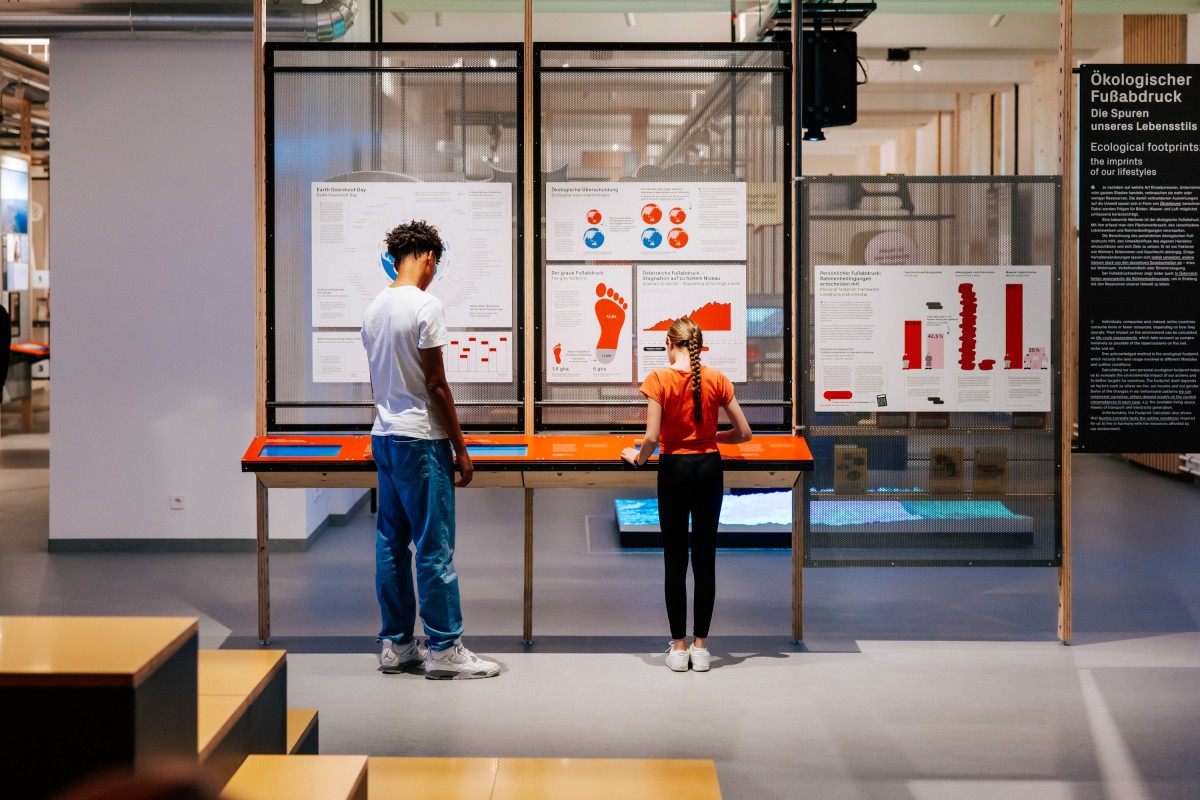
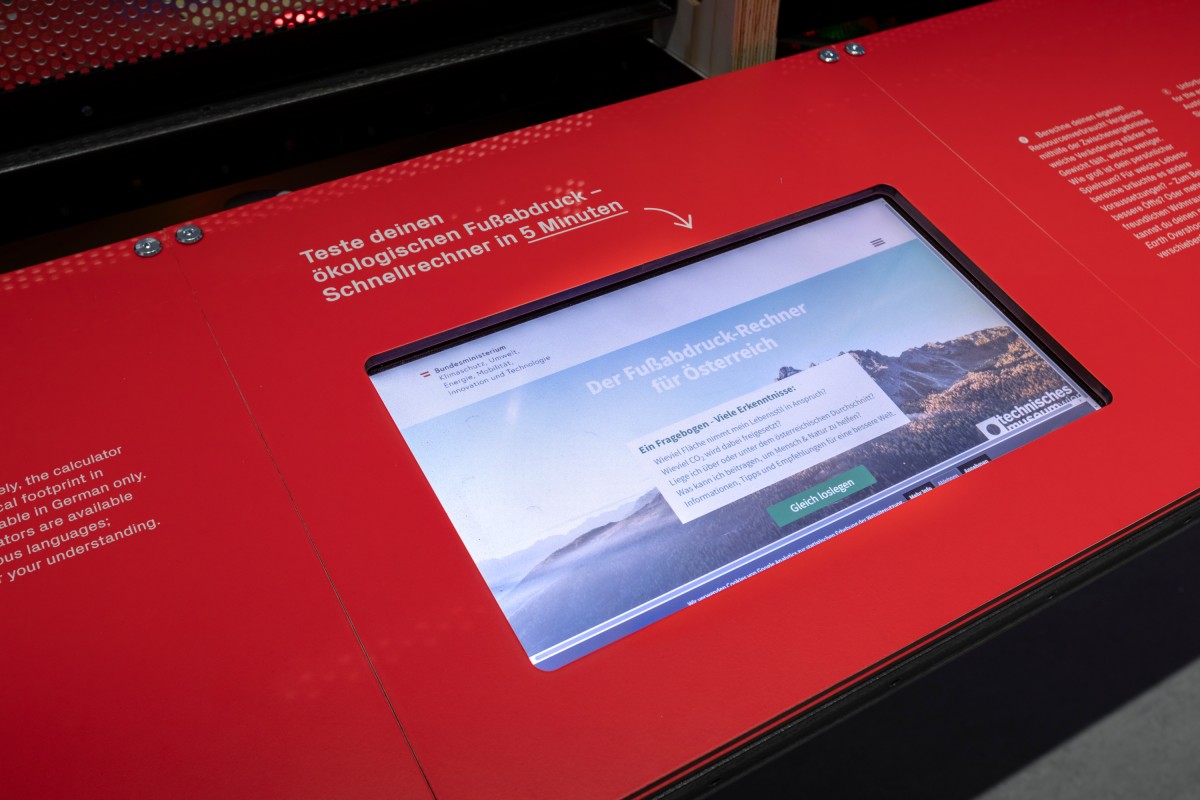
In the exhibition, visitors can calculate their individual ecological footprint and find out how their behaviour affects the environment. An interactive exhibition element helps to identify counterproductive coping mechanisms.
 
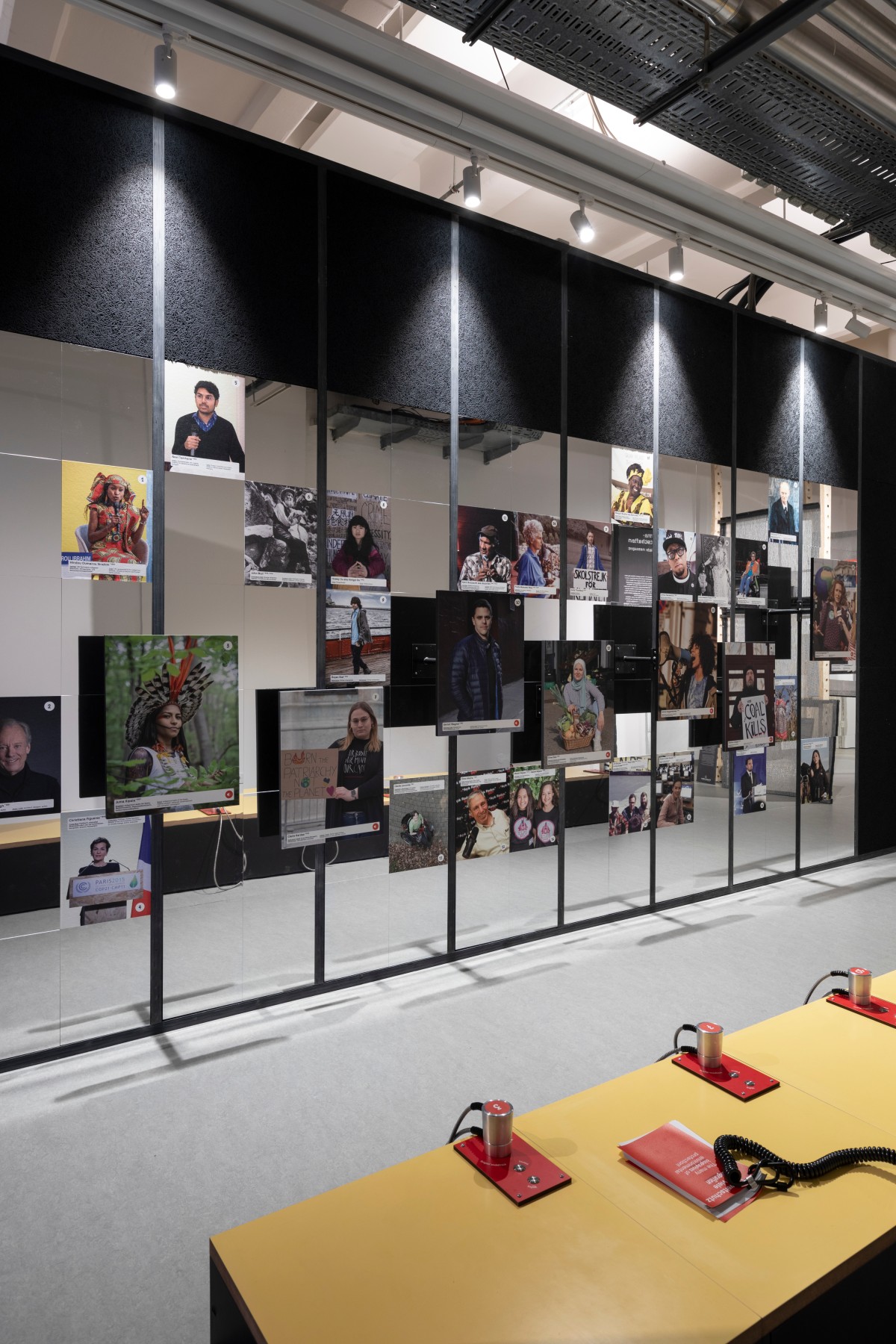
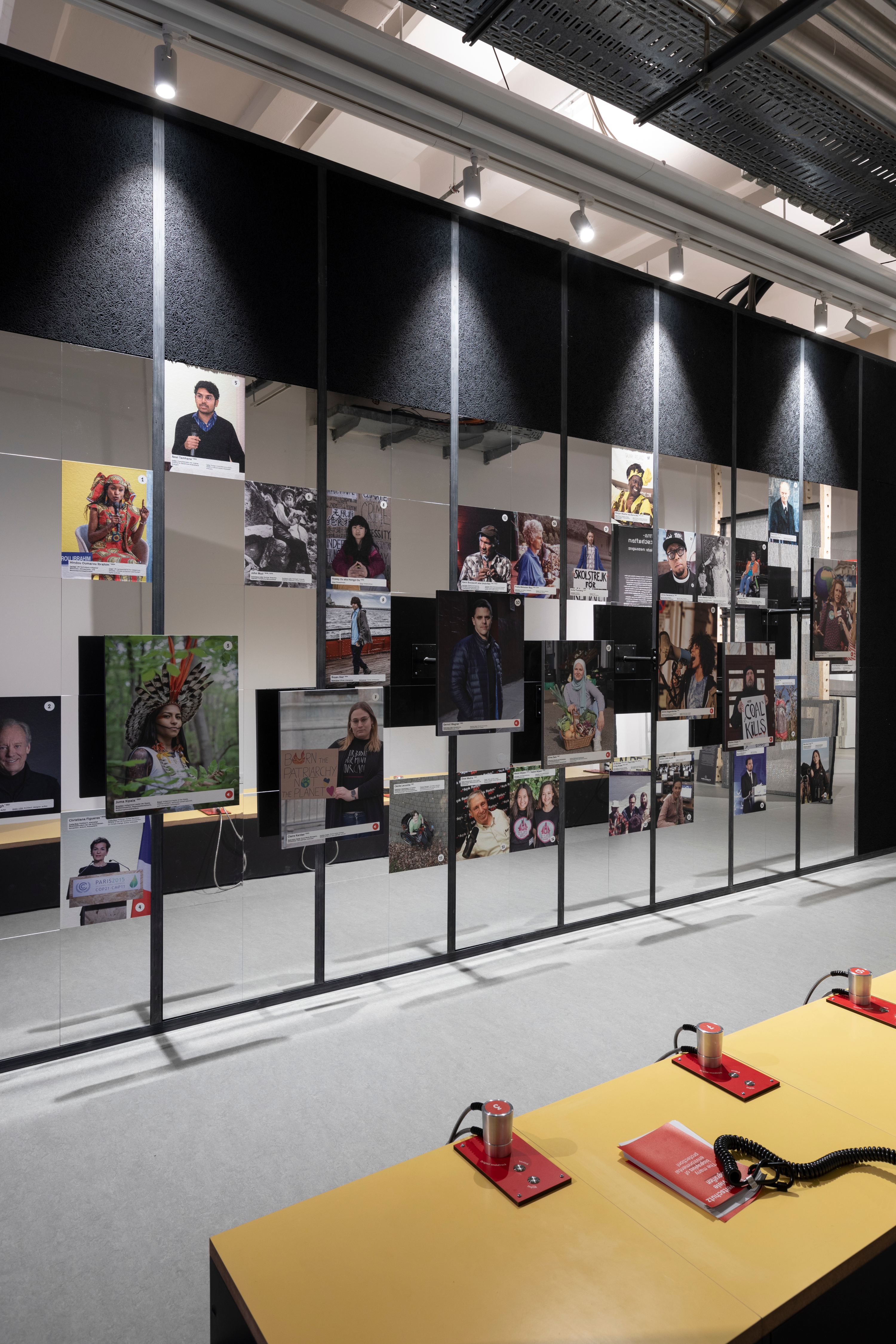
The permanent exhibition concludes with people from all over the world who are committed to environmental protection, in order to raise visitors' awareness of the climate crisis and encourage them to take action. A ‘climate challenge’ invites them to take the knowledge they have gained home with them and face up to the climate crisis. 
 
The exhibition was designed and implemented with sustainability in mind, using recycled materials and reusable components.
 
More pictures of the exhibition and the opening on 13 March 2024:
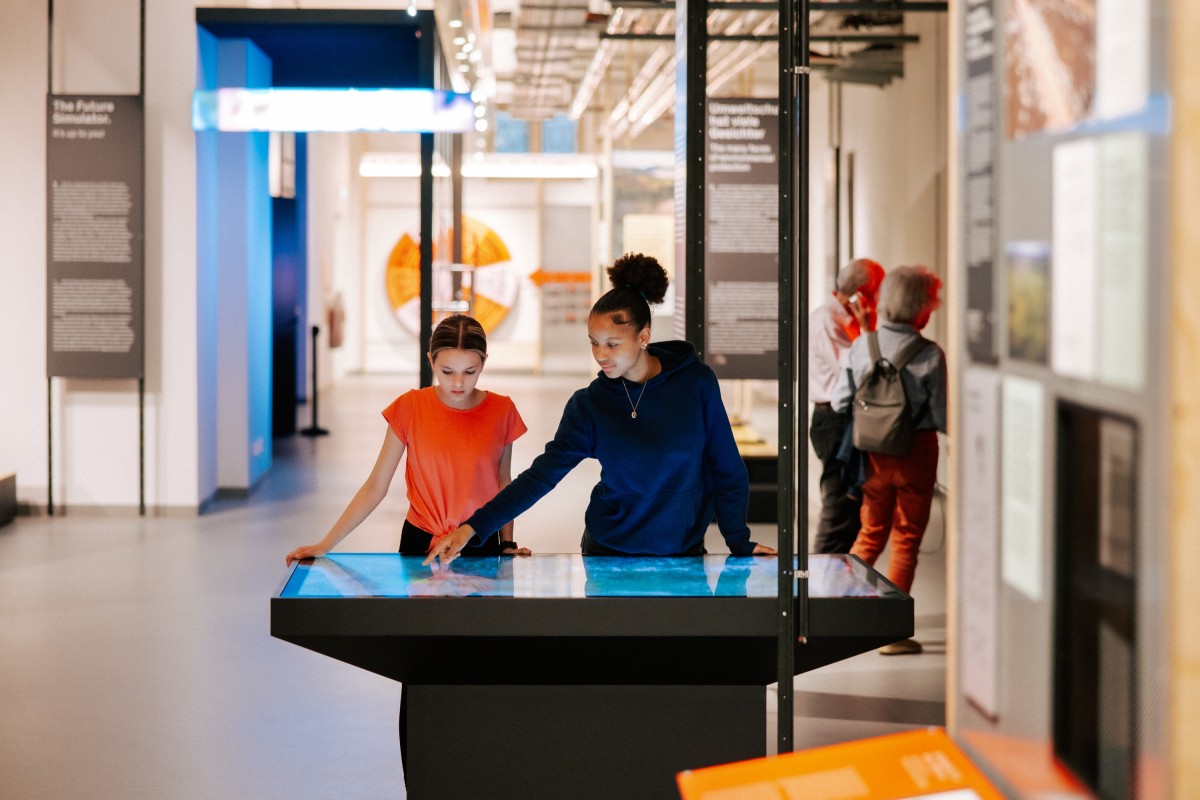
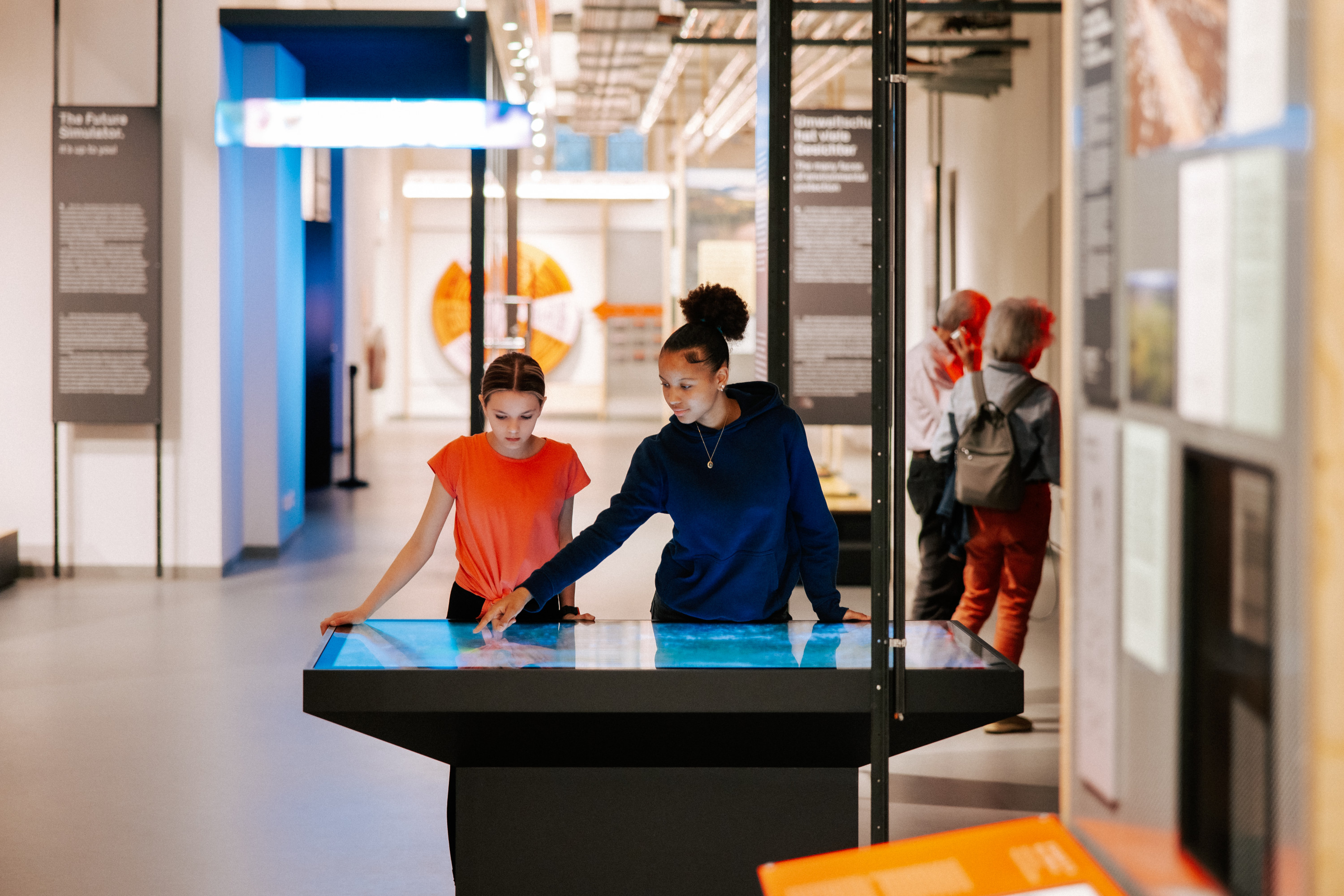
Two young women interact with a large, flat touchscreen in an exhibition featuring informational panels and additional exhibits in the background.
© Technisches Museum Wien/Paul Bauer
Media station with interactive satellite images from ESA
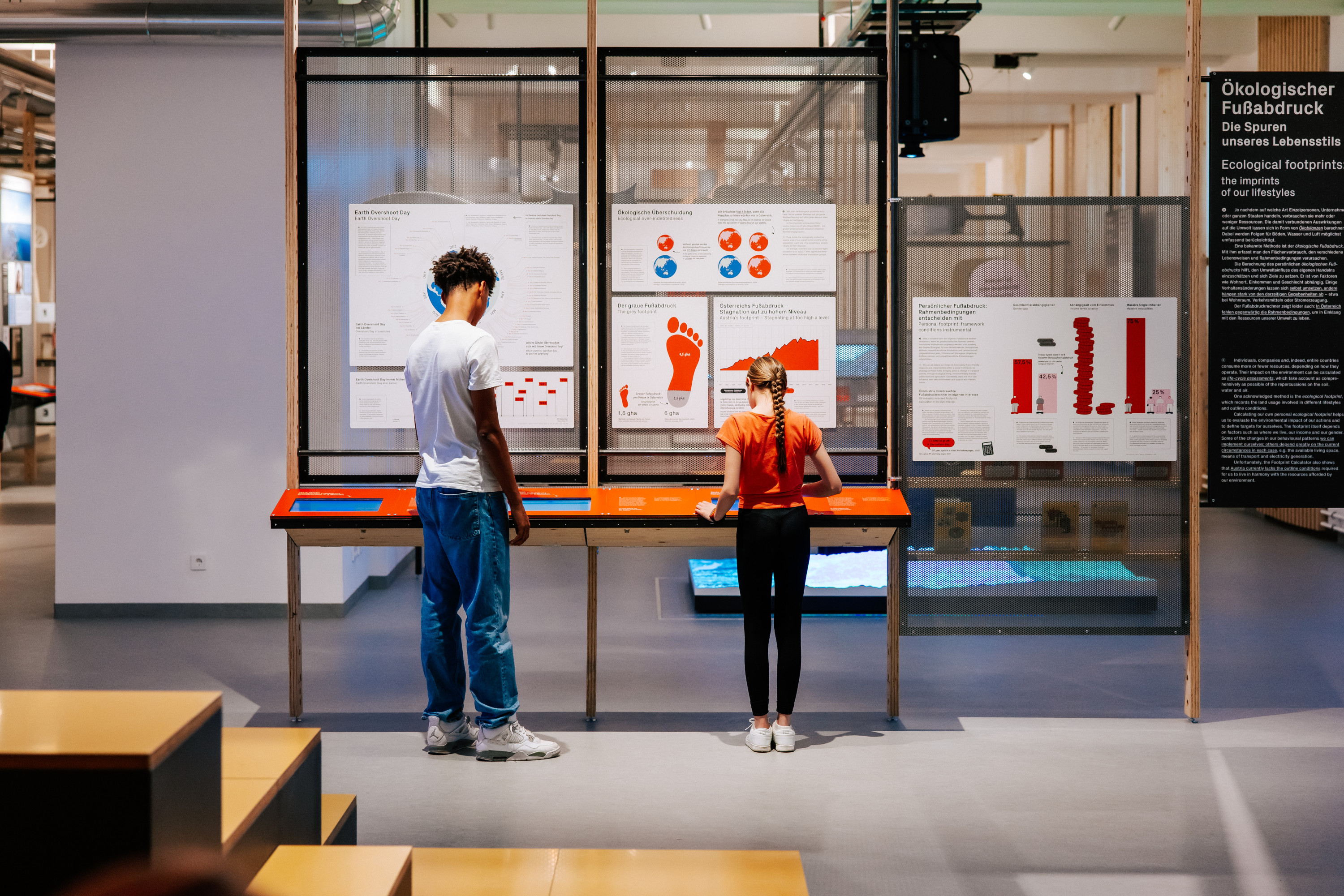
Two people, a young man and a girl, are standing in front of an interactive exhibit in the museum. The displays behind glass and on panels feature diagrams, texts, and graphics about ecological footprints and environmental awareness. The exhibition appears to focus on sustainable living and environmental protection. The room is modern in design, with bright walls and wooden frame structures.
© Technisches Museum Wien/Paul Bauer
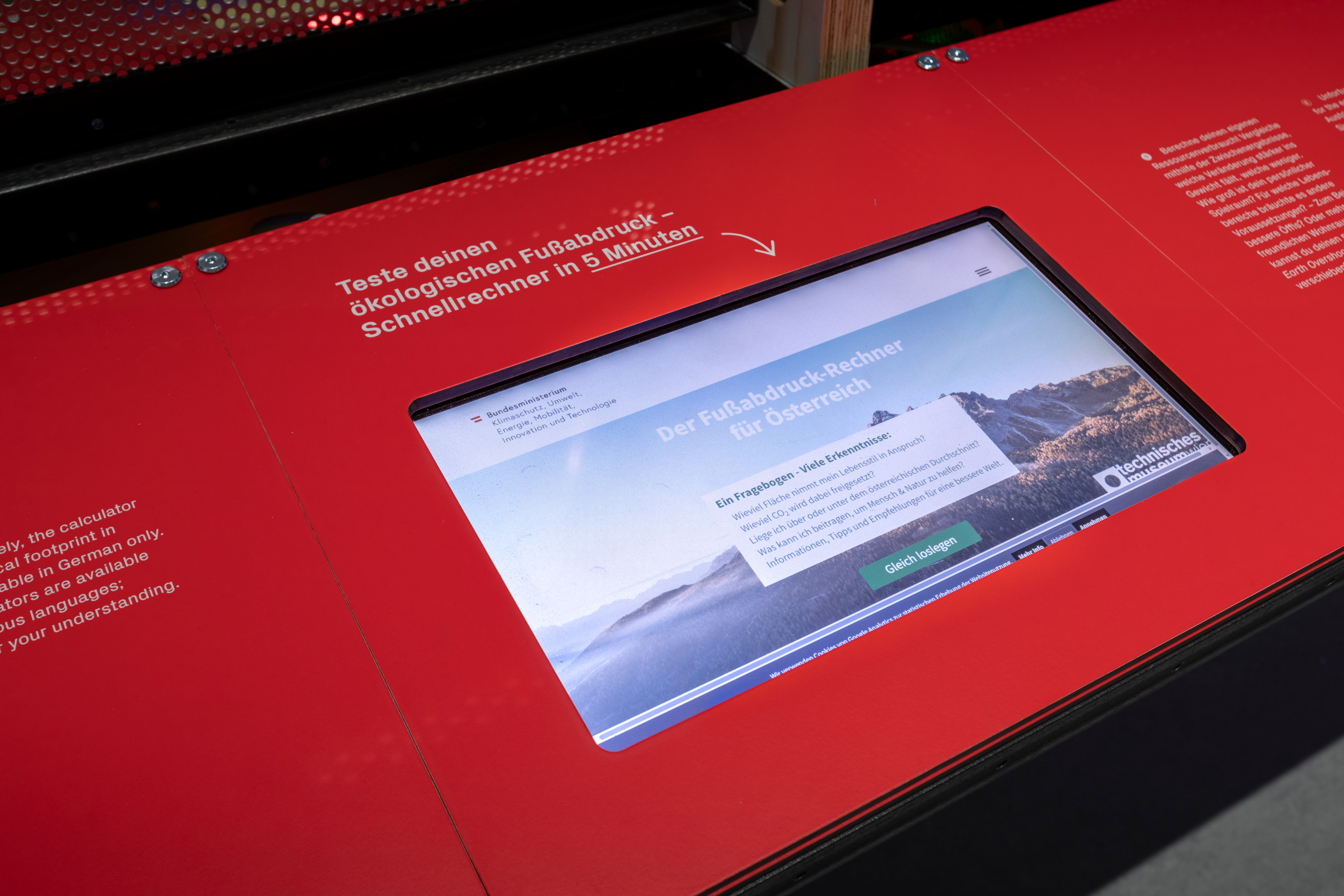
Interactive calculation of the ecological footprint
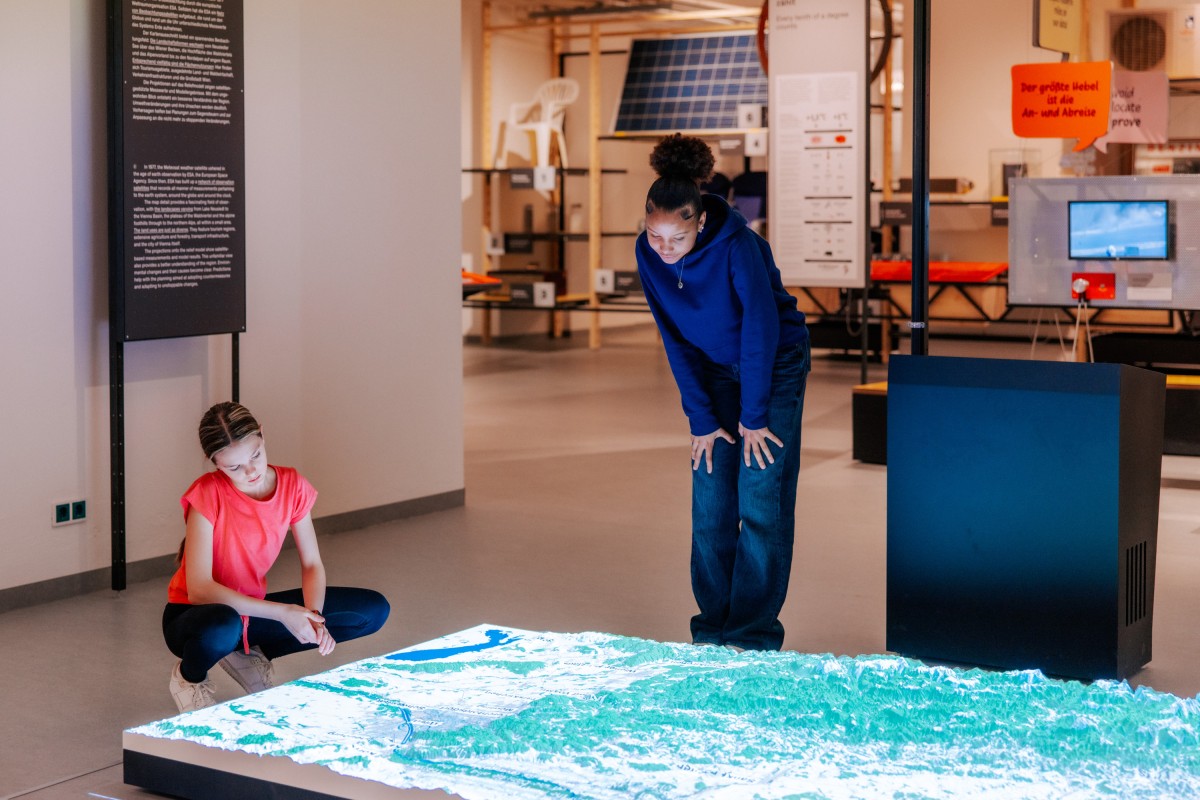
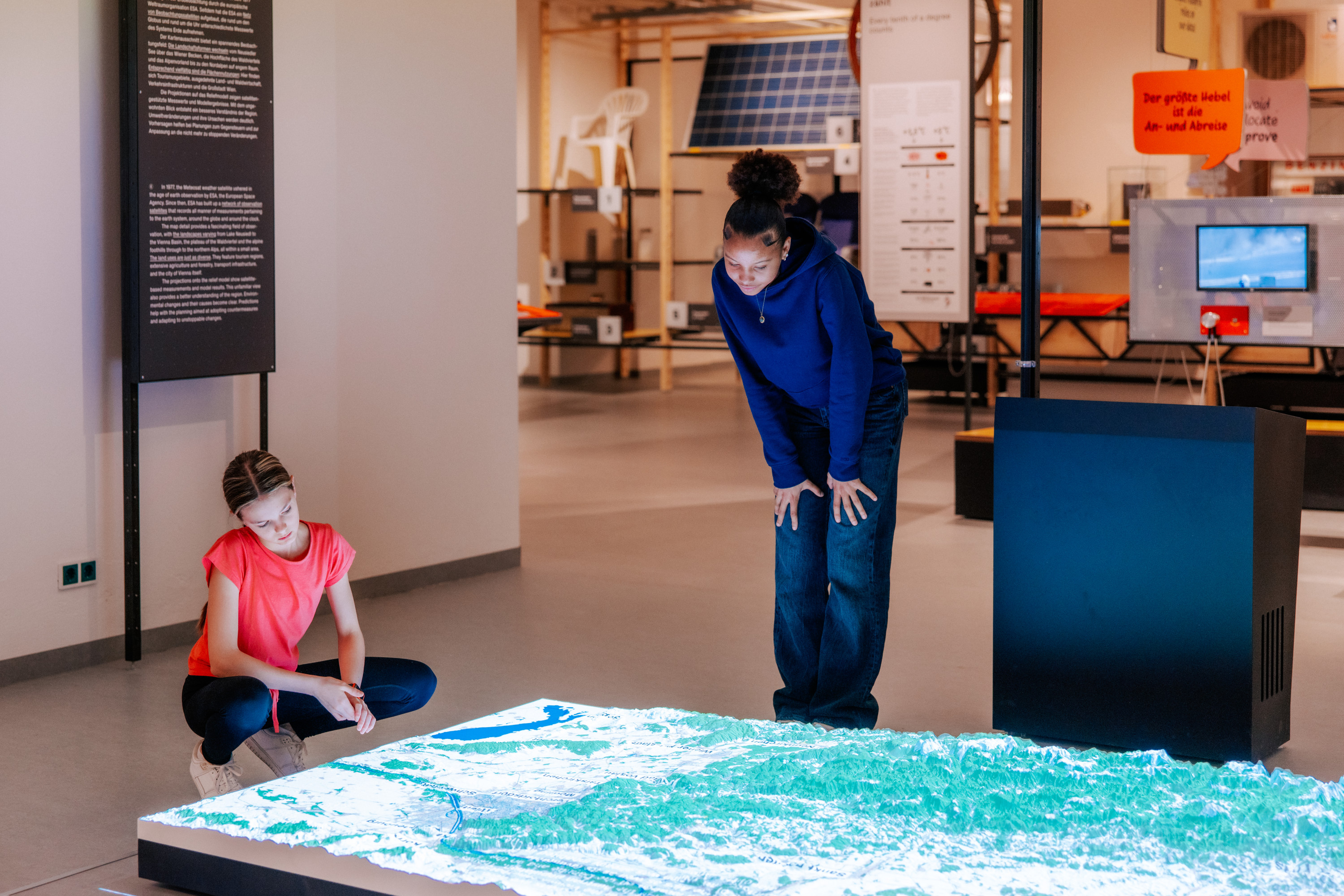
Two young women are examining an interactive 3D relief displaying a landscape visualization. One is kneeling, the other is leaning forward.
© Technisches Museum Wien/Paul Bauer
Landscape model of Vienna and surrounding area with satellite data from ESA
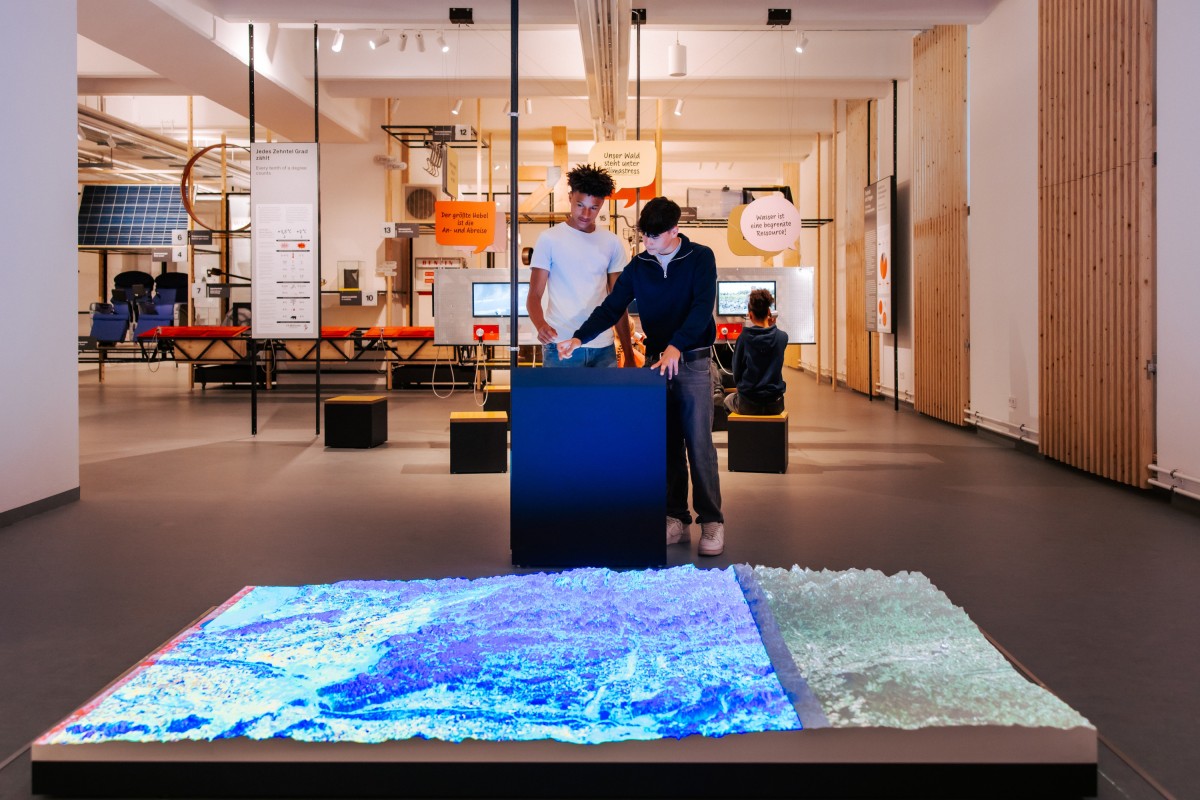
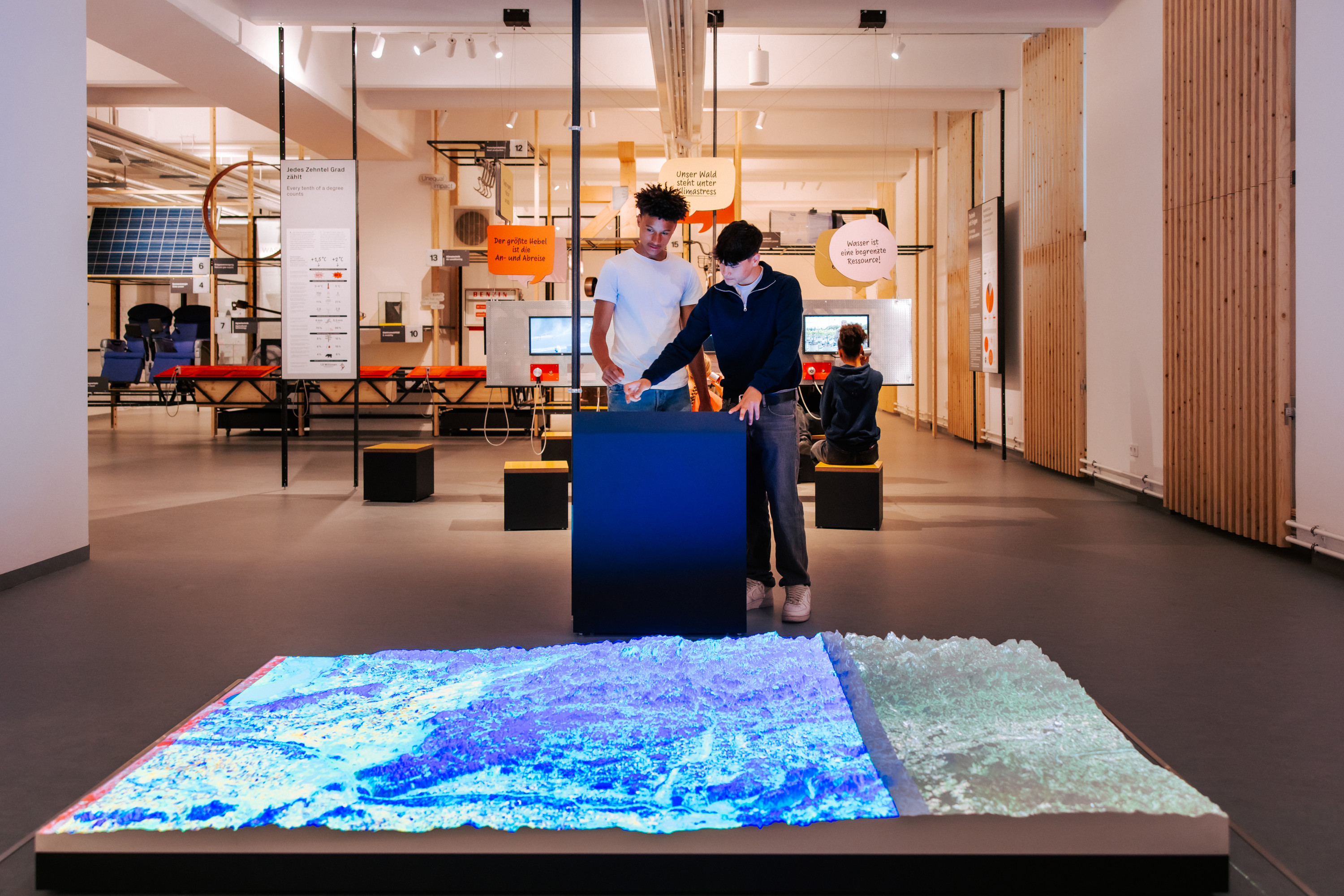
Two men stand at an interactive relief featuring a colorful, digital landscape display. The room is bright and modern.
© Technisches Museum Wien/Paul Bauer
Landscape model of Vienna and surrounding area with satellite data from ESA
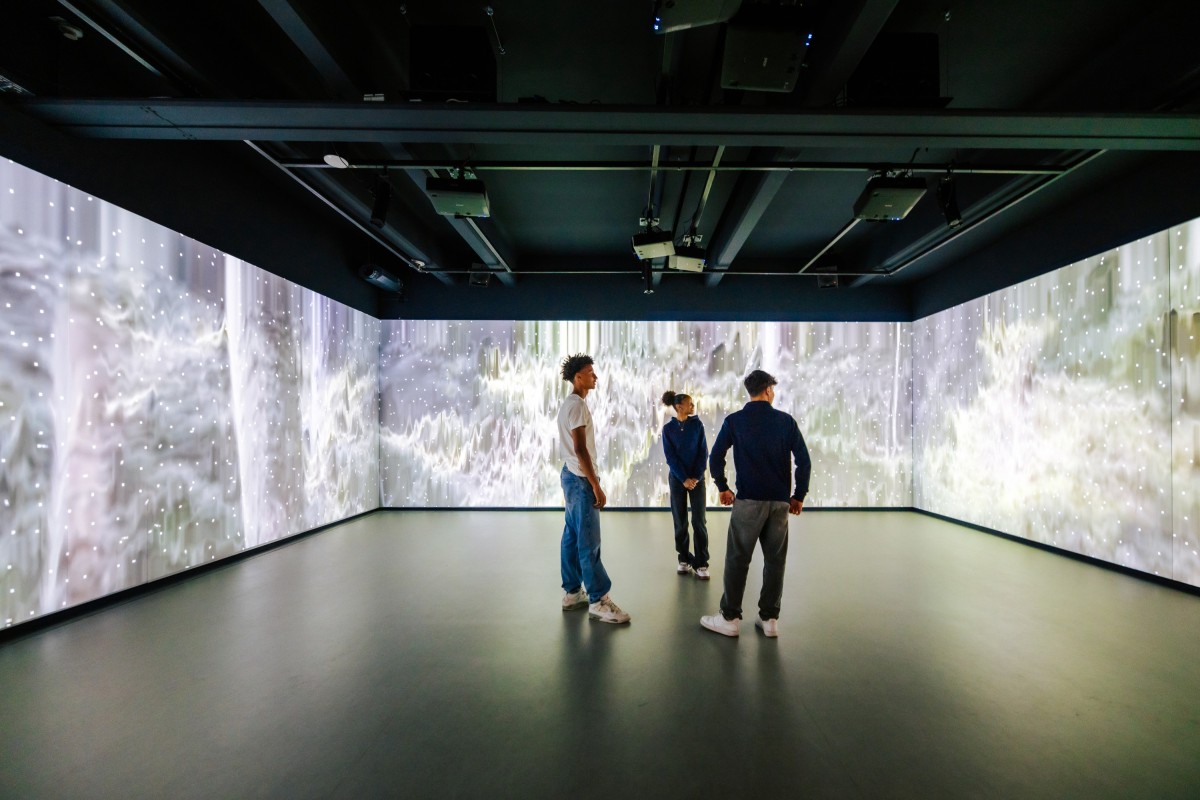
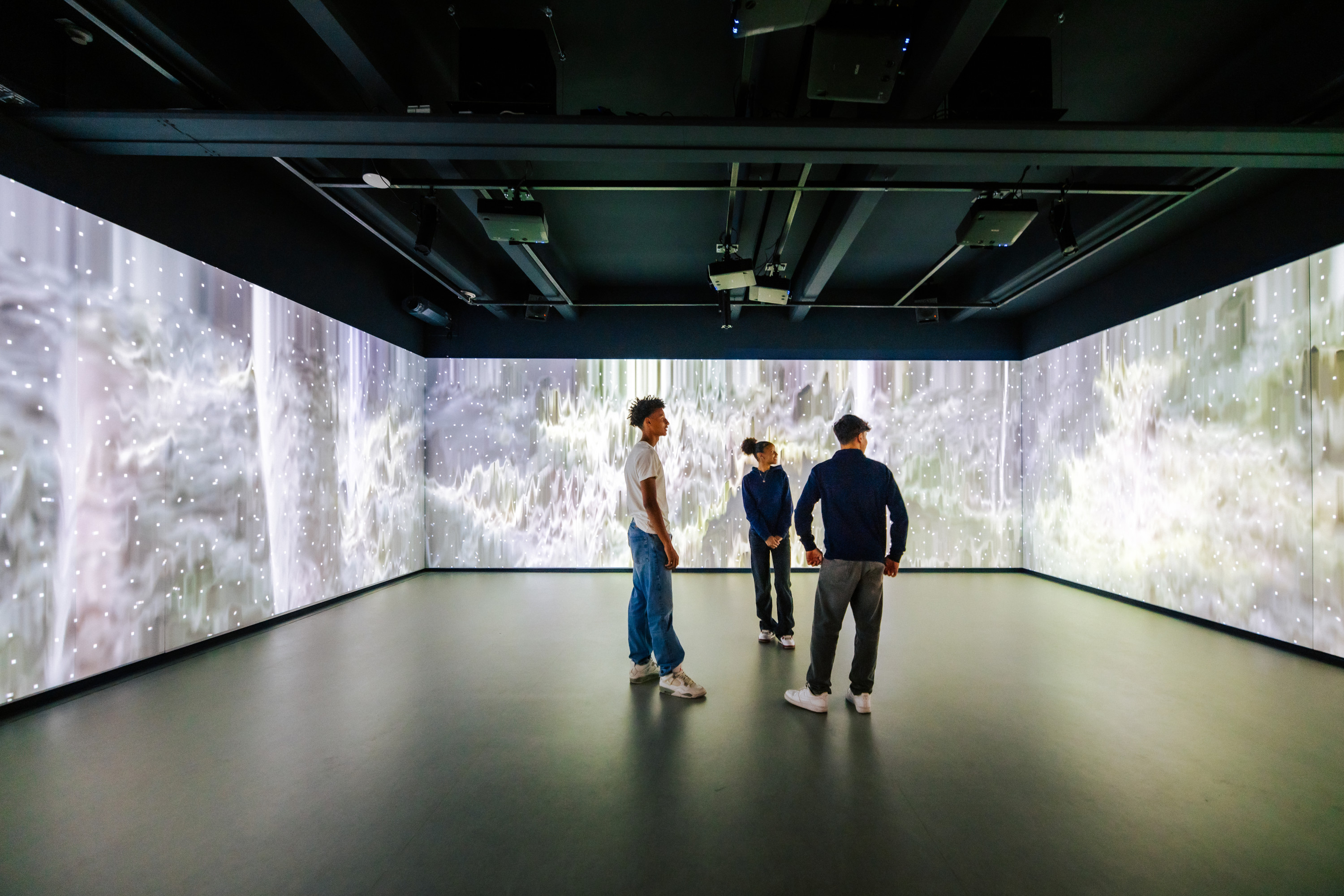
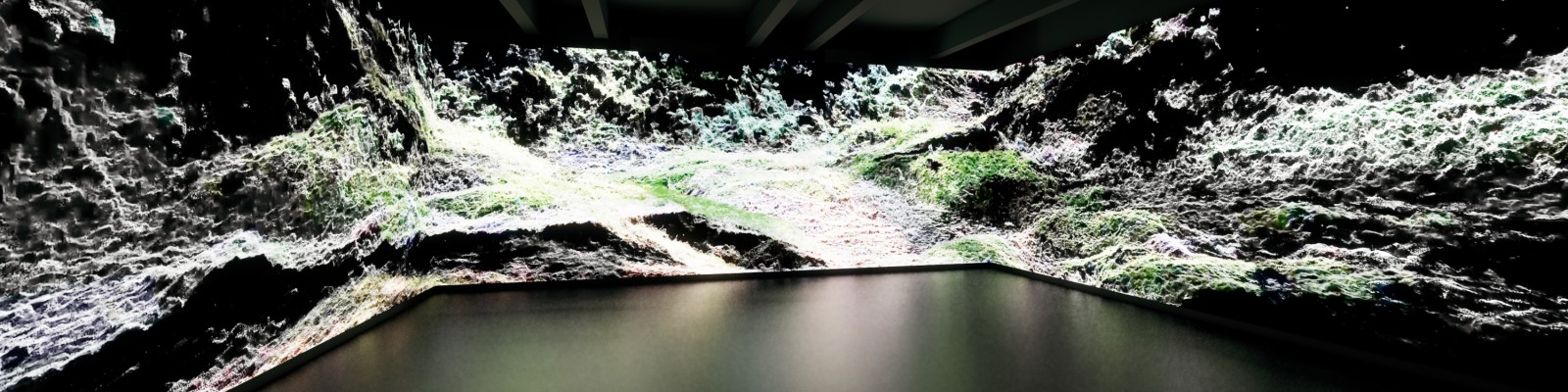
Three people stand in the "Future Simulator," a dark room with large immersive projections displaying abstract, bright patterns and visions of the future.
© Technisches Museum Wien/Paul Bauer
Interactive future scenarios in the ‘Future Simulator’
© Technisches Museum Wien
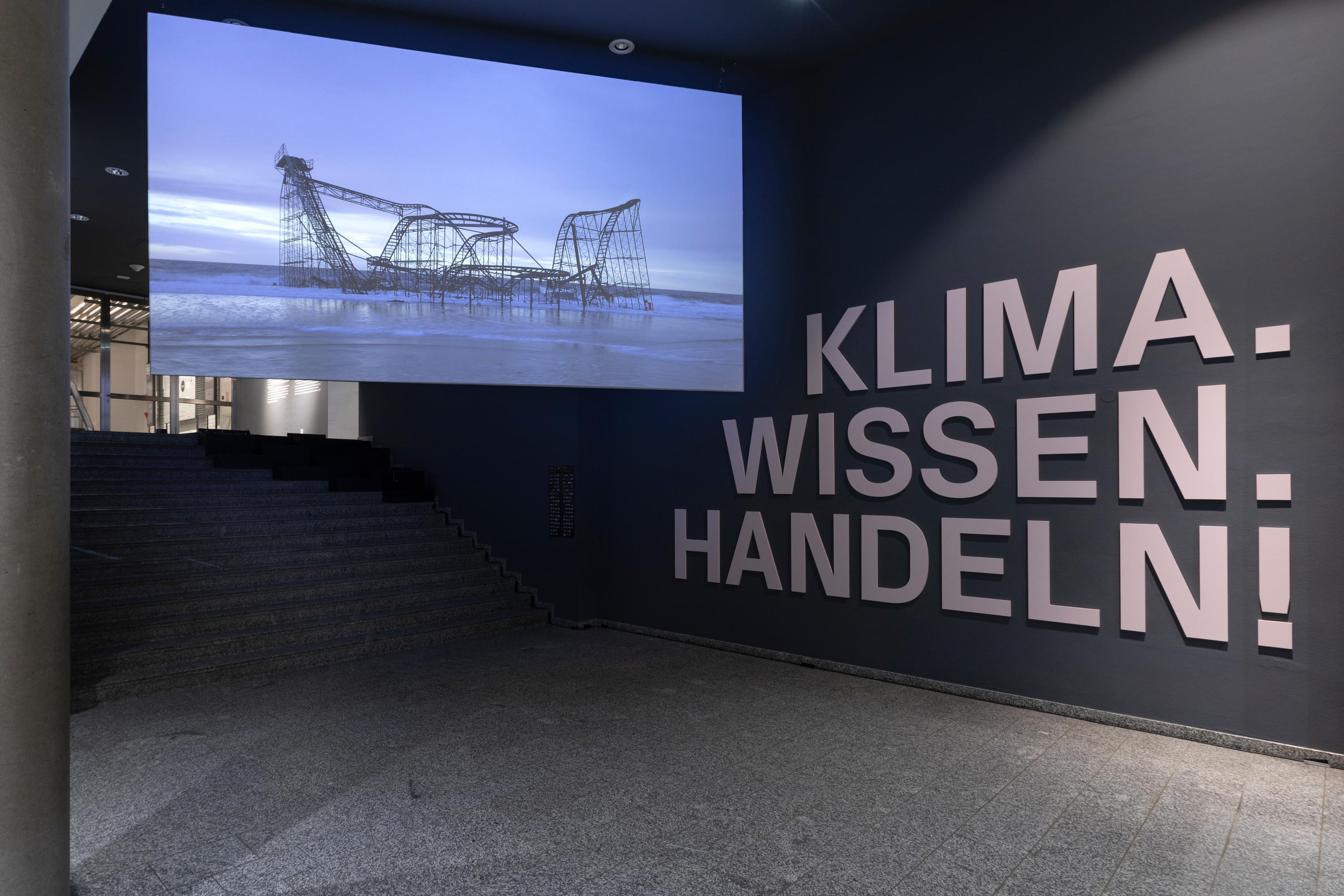
Film installation by Nikolaus Geyrhalter in the outdoor area of the permanent exhibition ‘Climate. Knowledge. Action!’
Entrance area of the permanent exhibition ‘Climate. Knowledge. Action!’
© Technisches Museum Wien/Paul Bauer
Entrance area of the permanent exhibition ‘Climate. Knowledge. Action!’
© Technisches Museum Wien
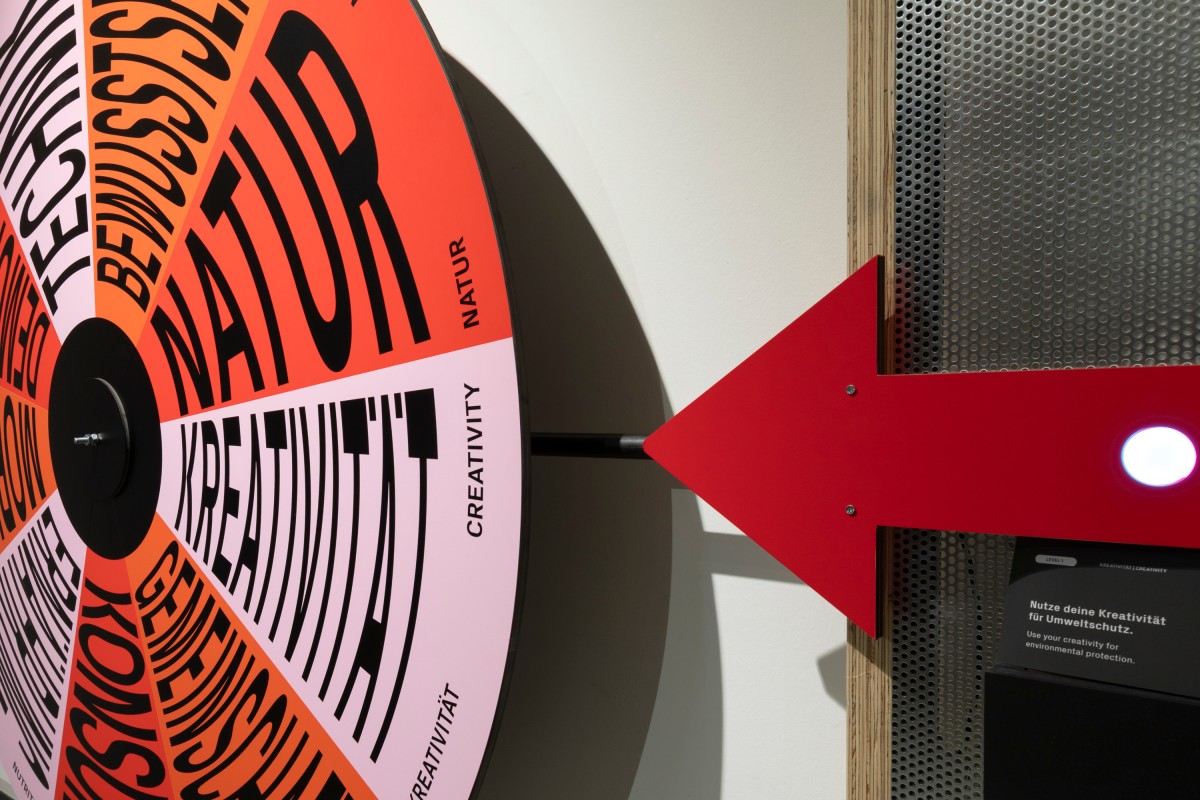
In the ‘Climate Challenge’, visitors take their newly acquired knowledge with them to face the challenge of the climate crisis.
© Technisches Museum Wien
In order to assess the environmental impact of their own behaviour, interested parties can calculate their individual ecological footprint.
© Technisches Museum Wien
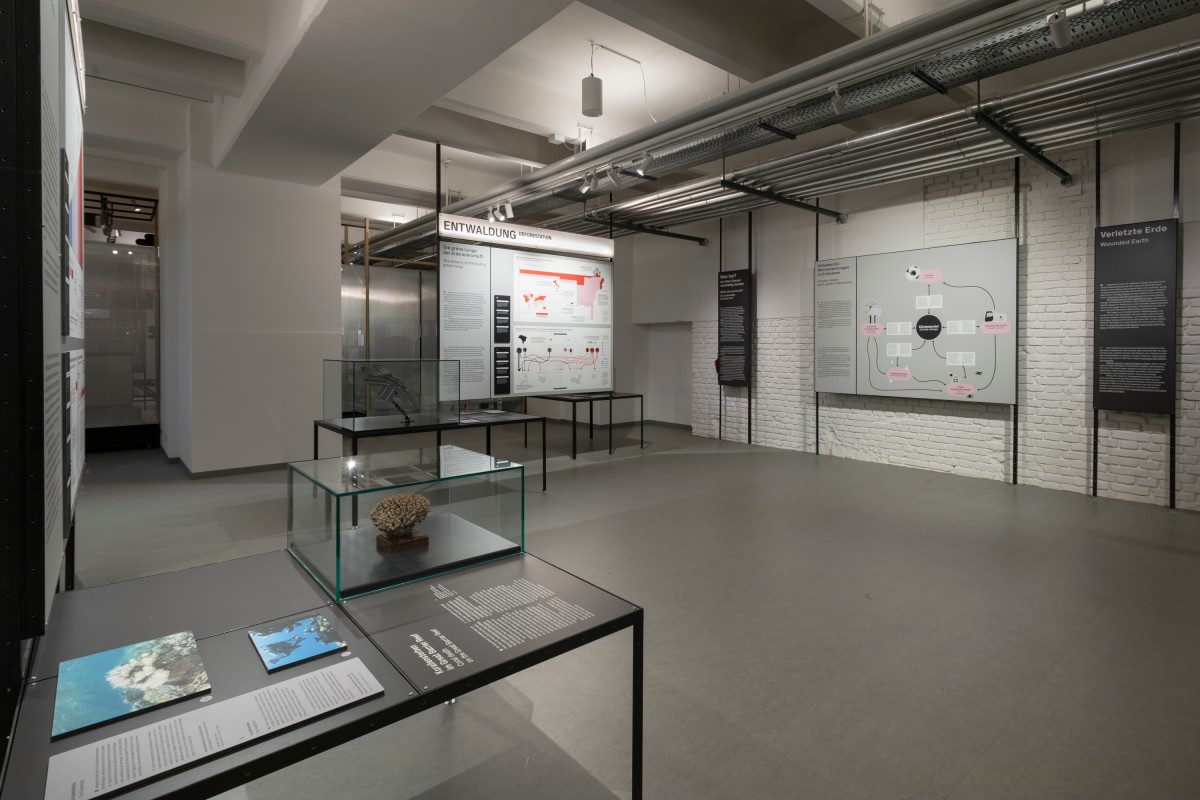
Interviews and statements in the exhibition, pictured here is the station ‘What to do in Austria?!’
© Technisches Museum Wien
The concluding section shows people from all over the world who are committed to protecting the environment.
© Technisches Museum Wien
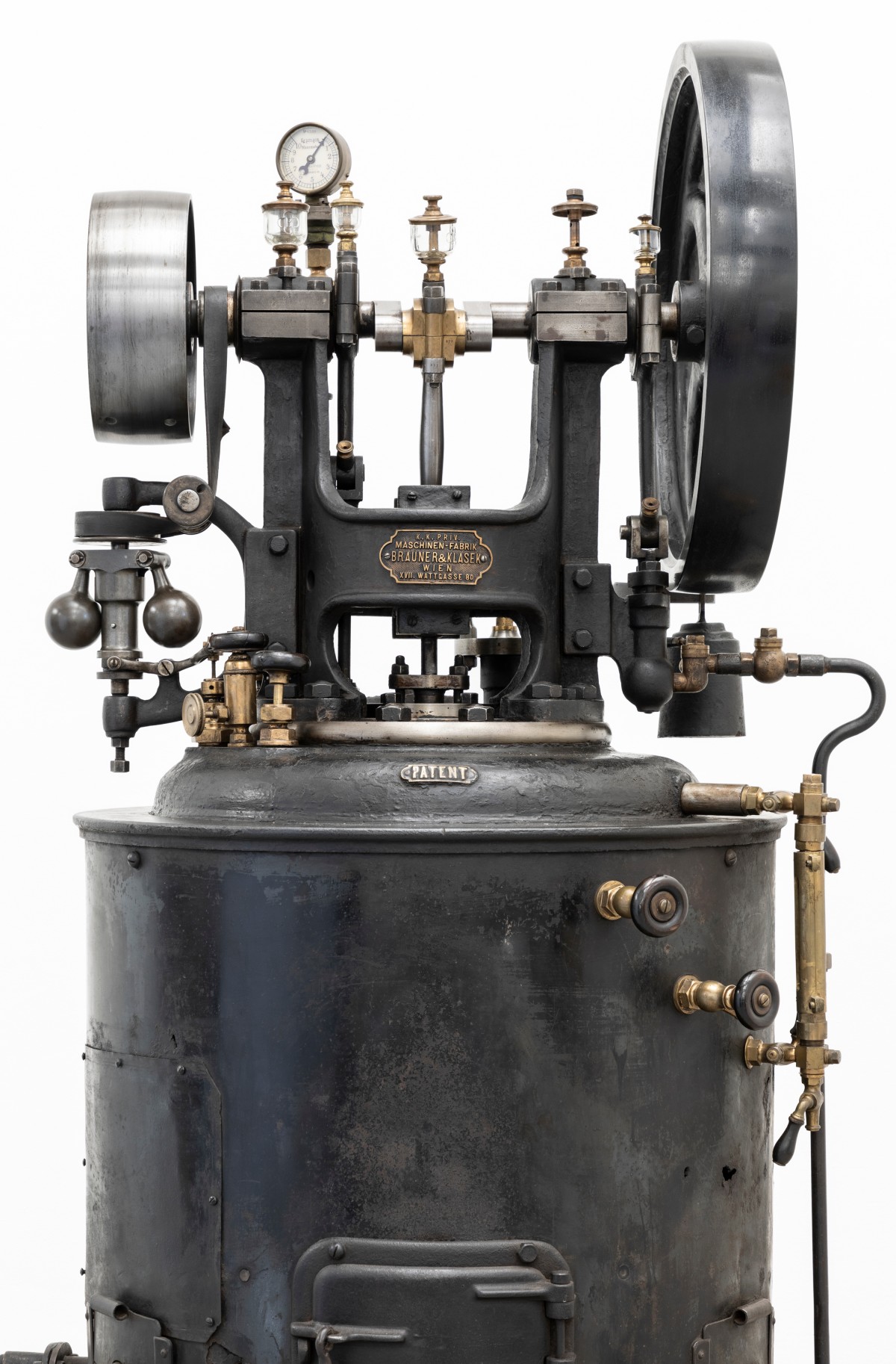
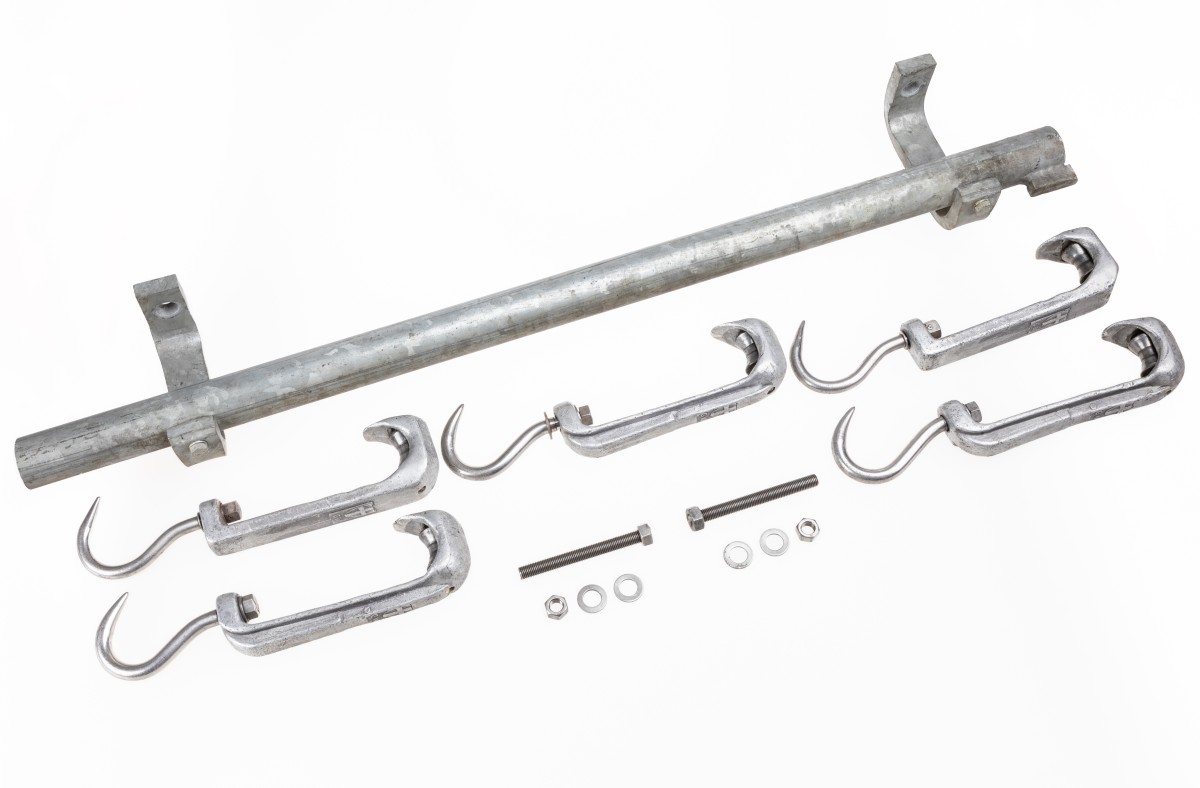
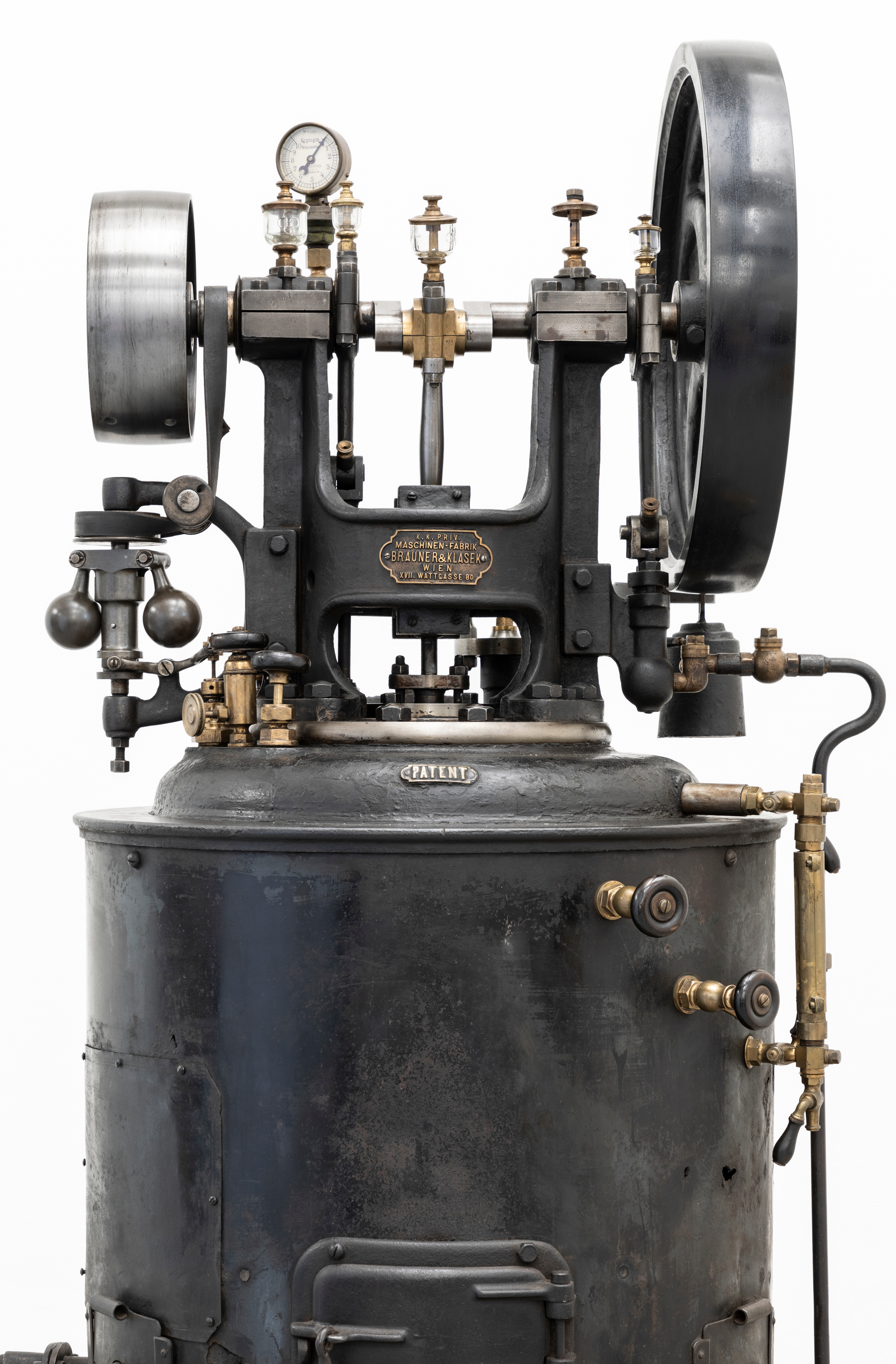
Small steam engine for commercial use, 1890: The steam engine marked the beginning of the fossil fuel era – climate protection now requires us to phase out coal combustion.

© Technisches Museum Wien
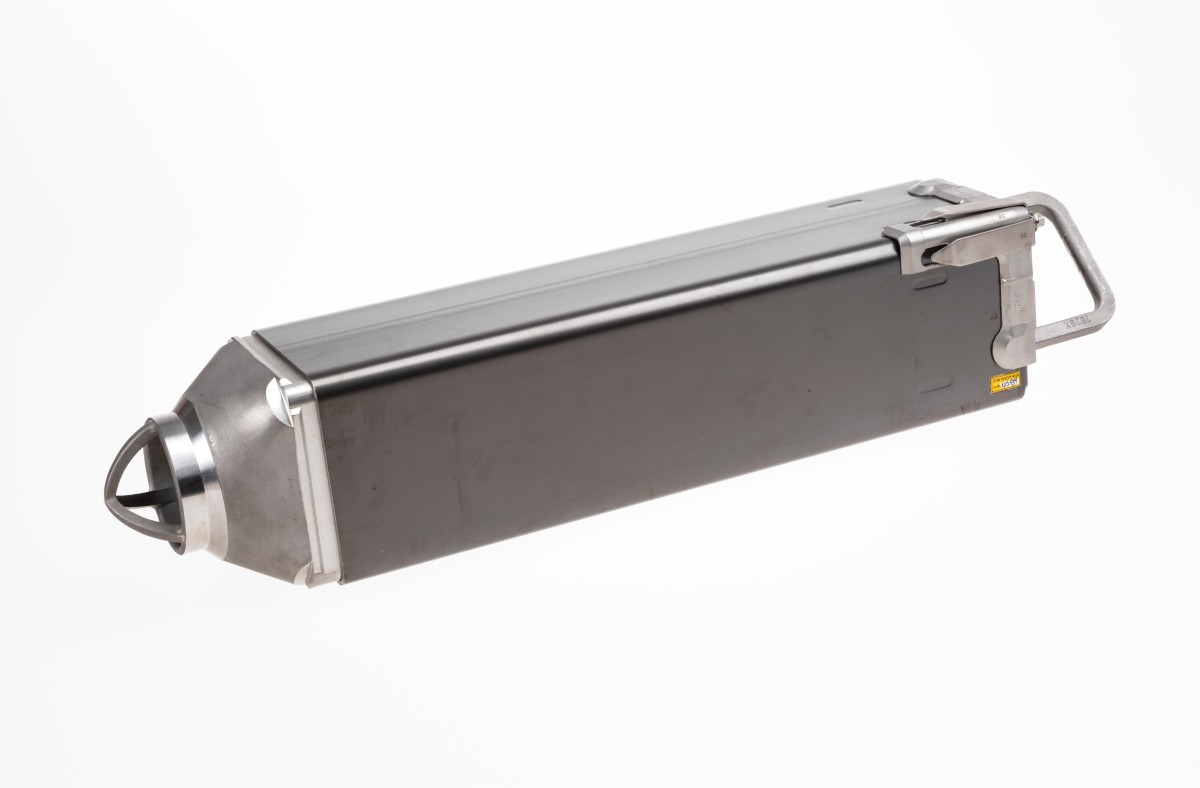
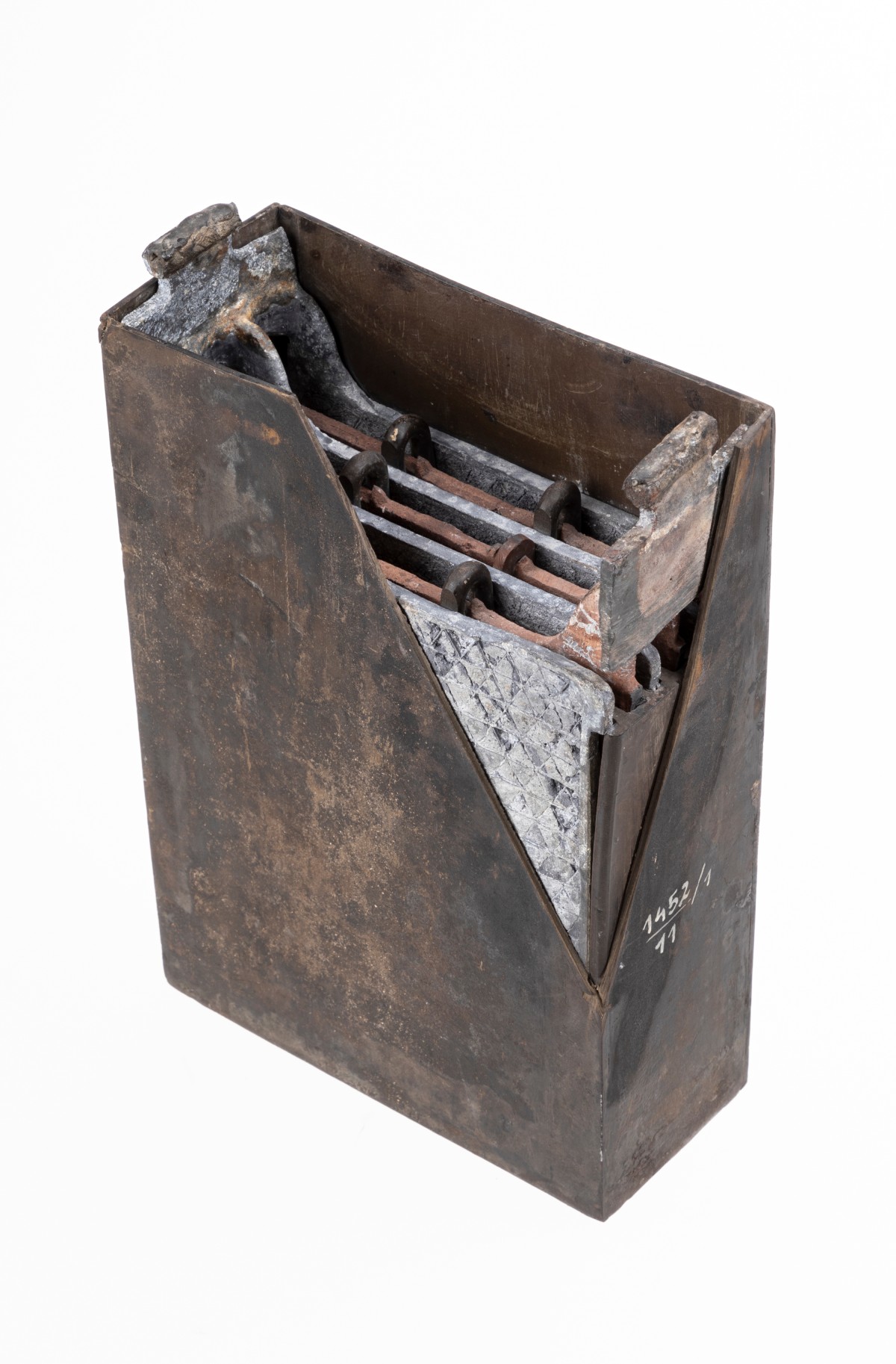
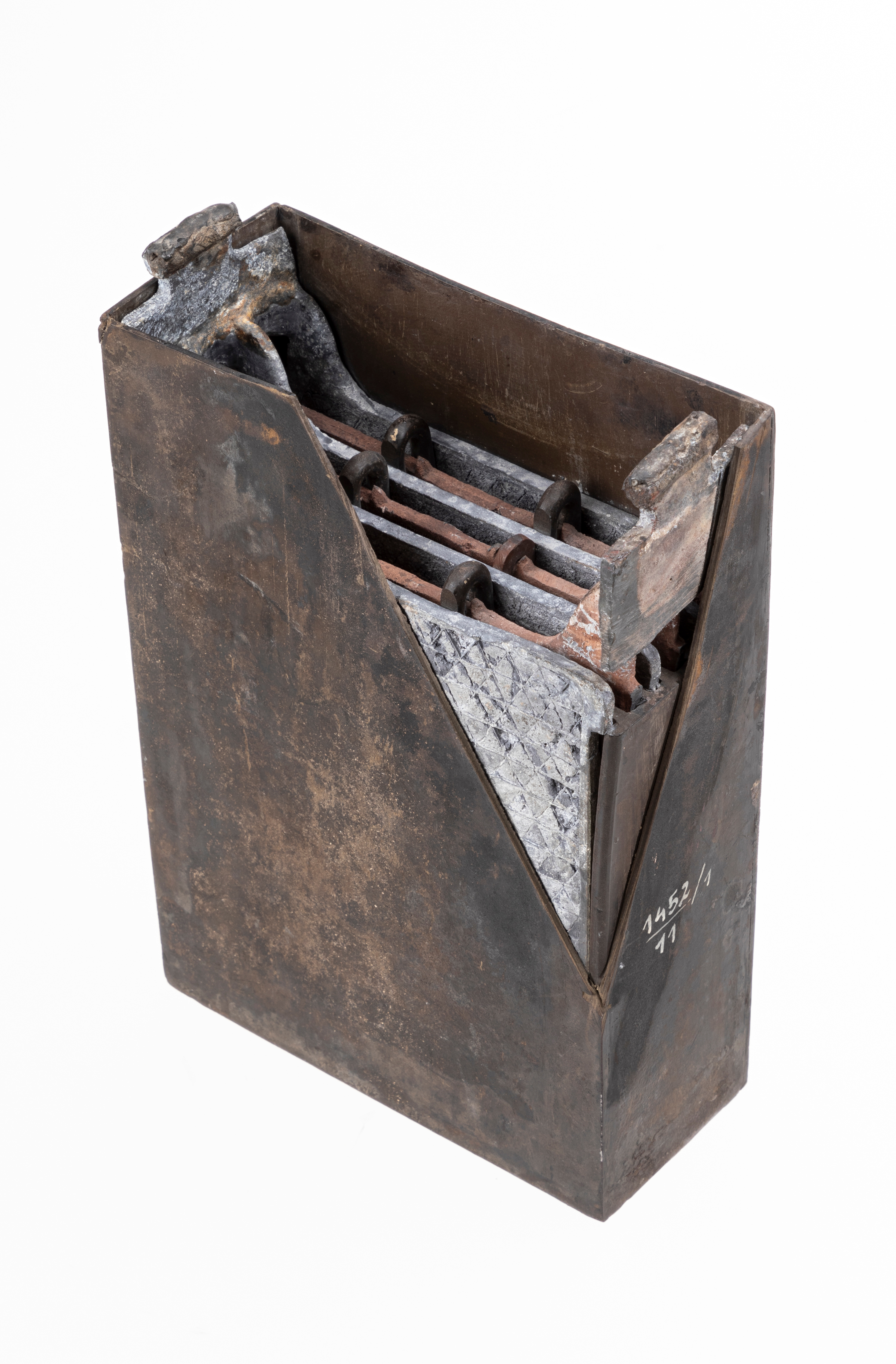
Accumulator cell of an electric motor vehicle, 1895–1910: Electrically powered vehicles are not a modern phenomenon, but already existed in the pioneering days of motoring.
© Technisches Museum Wien
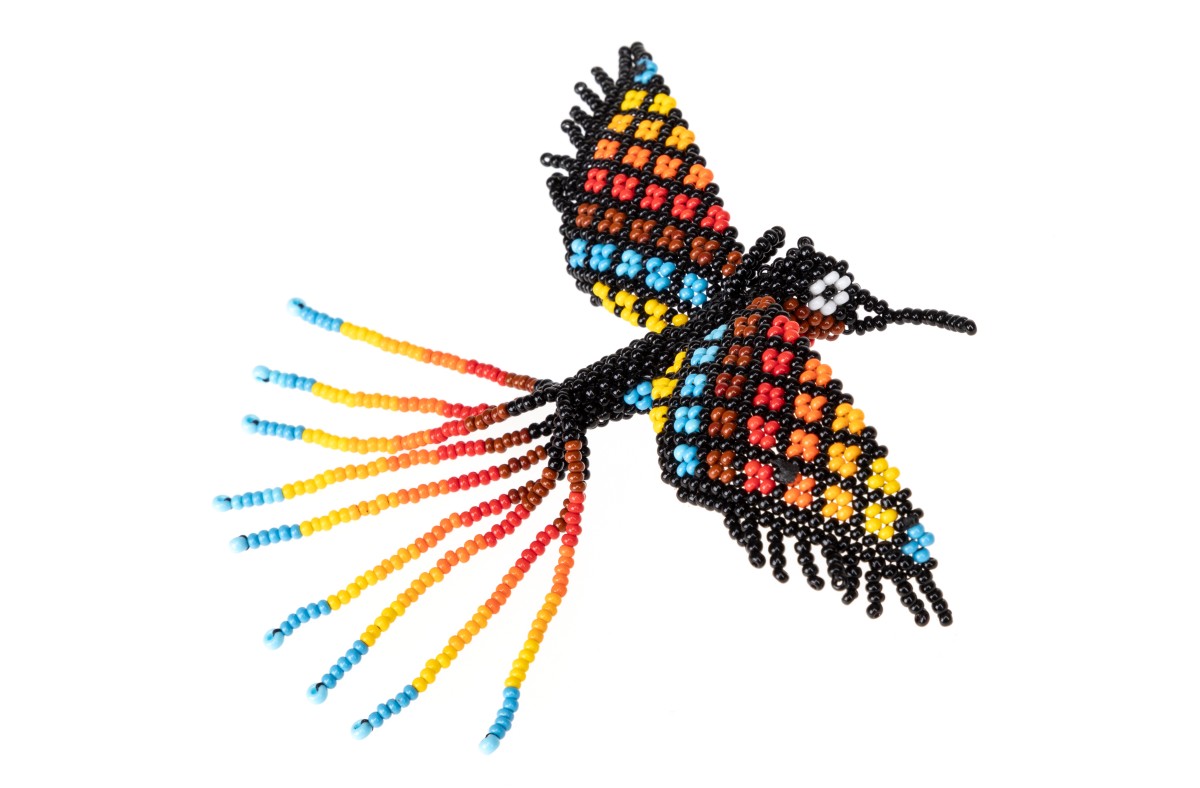
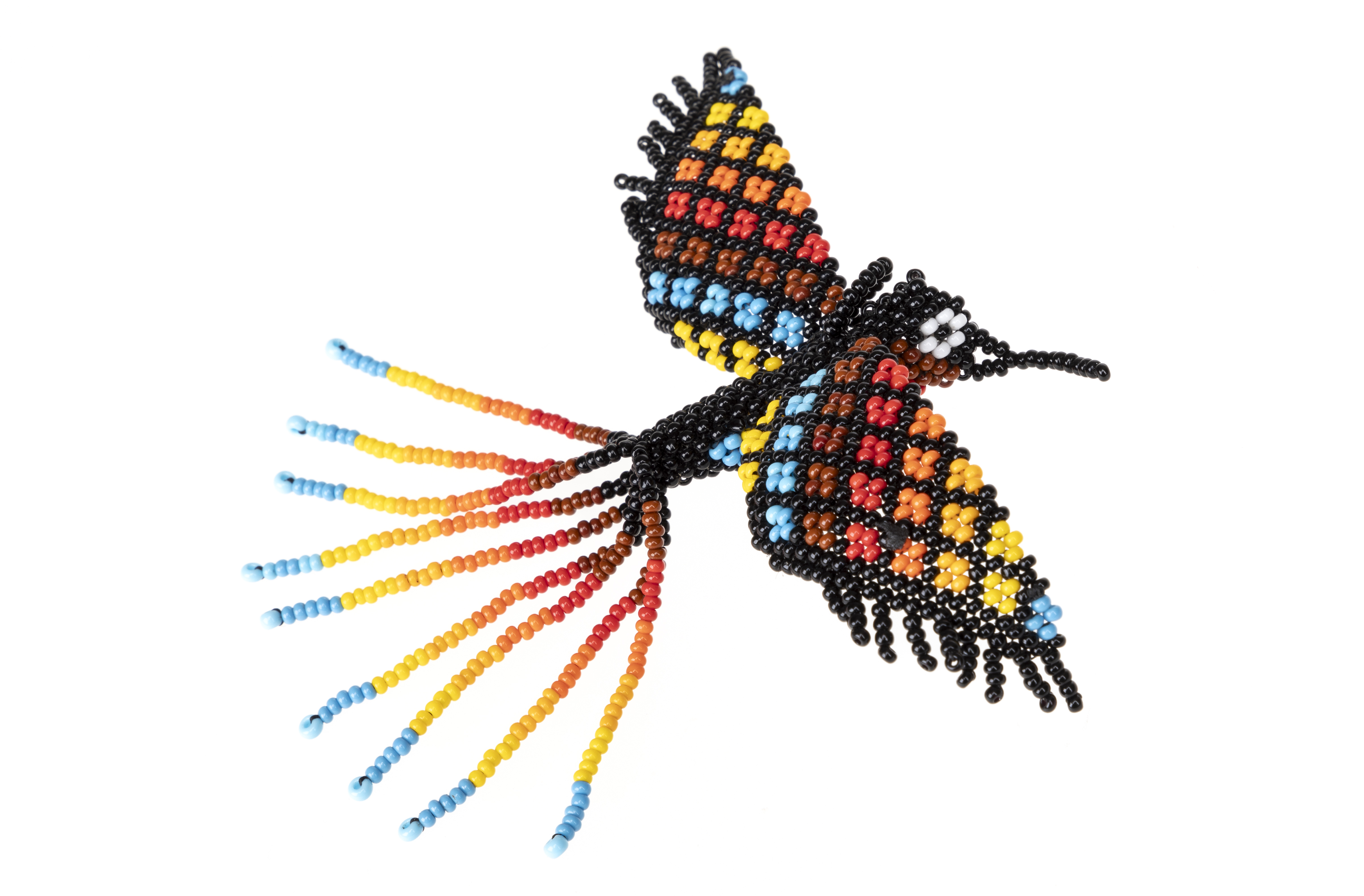
Handcrafted hummingbird figure made from plastic beads, Colombia 2023: The daily life of the people living on the Río Atrato (Colombia) is shaped by their close relationship with nature.
© Technisches Museum Wien
Fertiliser bag for nitrogen fertiliser, 1955: Synthetic nitrogen fertiliser in agriculture is one of the main sources of nitrous oxide, whose global warming potential is about 300 times that of carbon dioxide.
© Technisches Museum Wien
Russian cotton, in a jar: Cotton causes fewer greenhouse gases than synthetic fibres such as polyester, but on the negative side, it requires high consumption of land, water, pesticides and fertilisers.
© Technisches Museum Wien
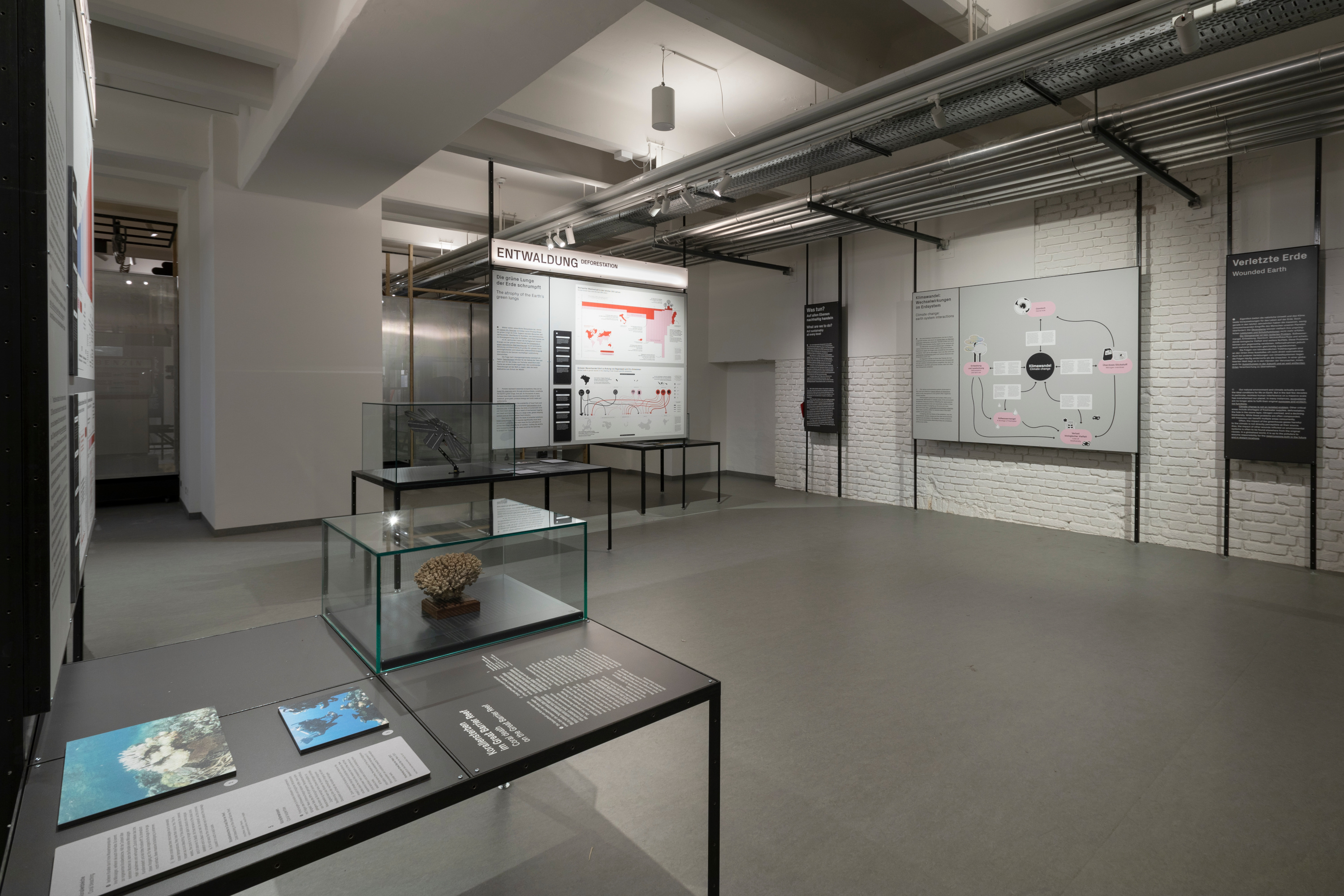
Coral skeleton of the genus Pocillopora from Australia: Climate change poses a major threat to coral reefs, which are among the most species-rich and sensitive ecosystems on Earth.
© Technisches Museum Wien
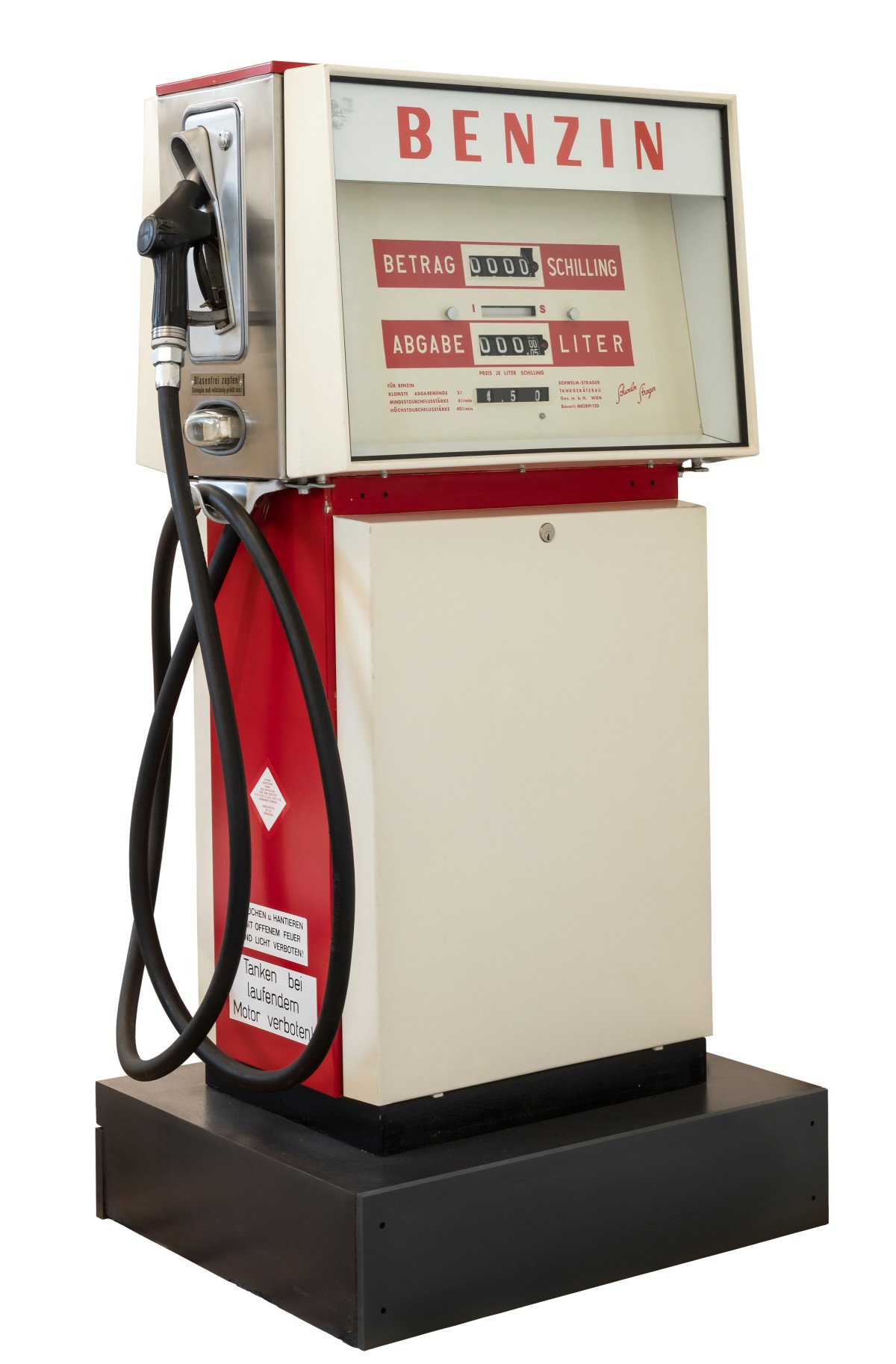
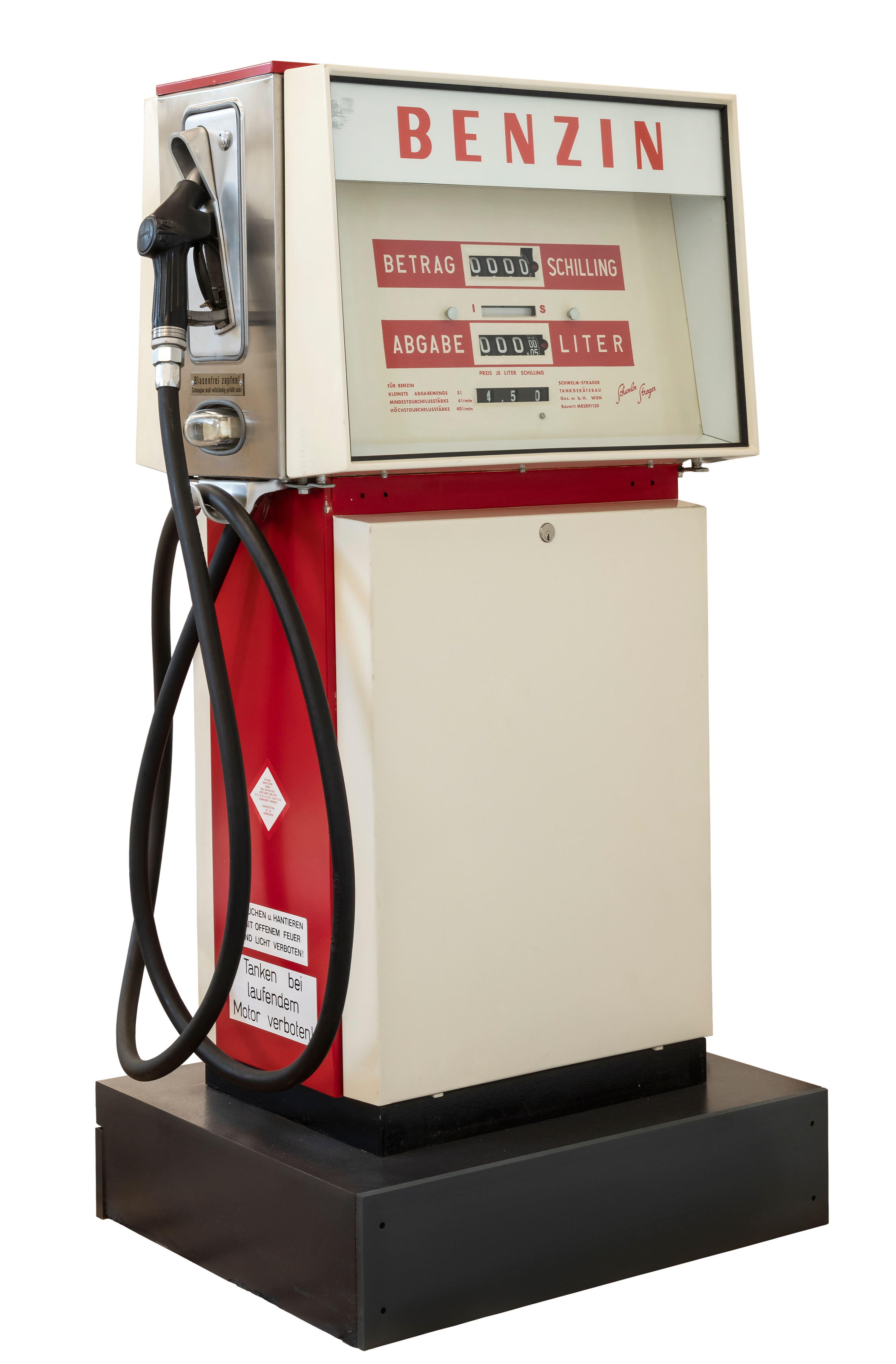
Petrol pump, around 1980: Motor vehicles, especially petrol and diesel-powered cars, contribute significantly to climate change.
© Technisches Museum Wien
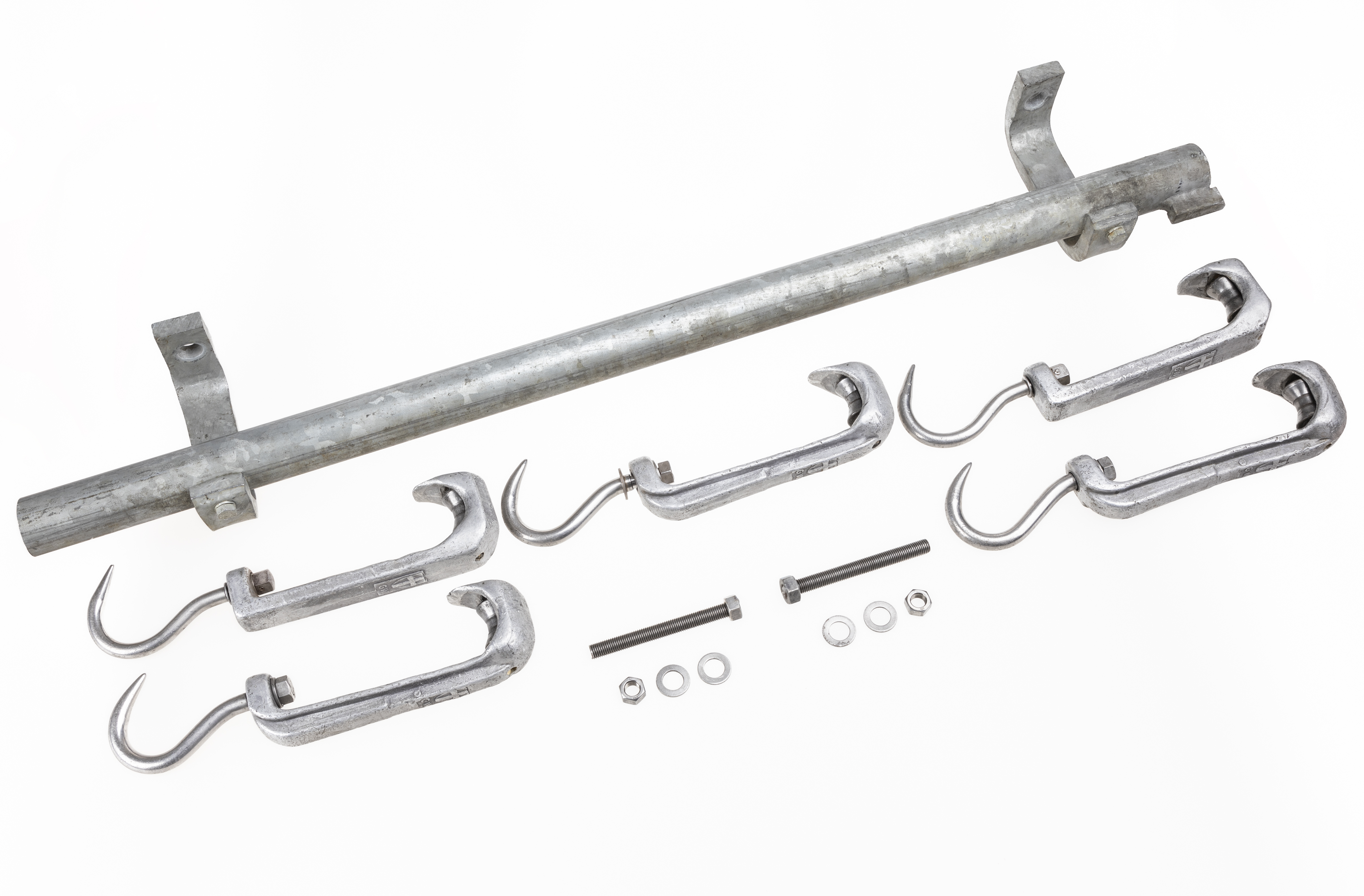
Meat transport chain: Meat production has a major impact on climate change.
© Technisches Museum Wien
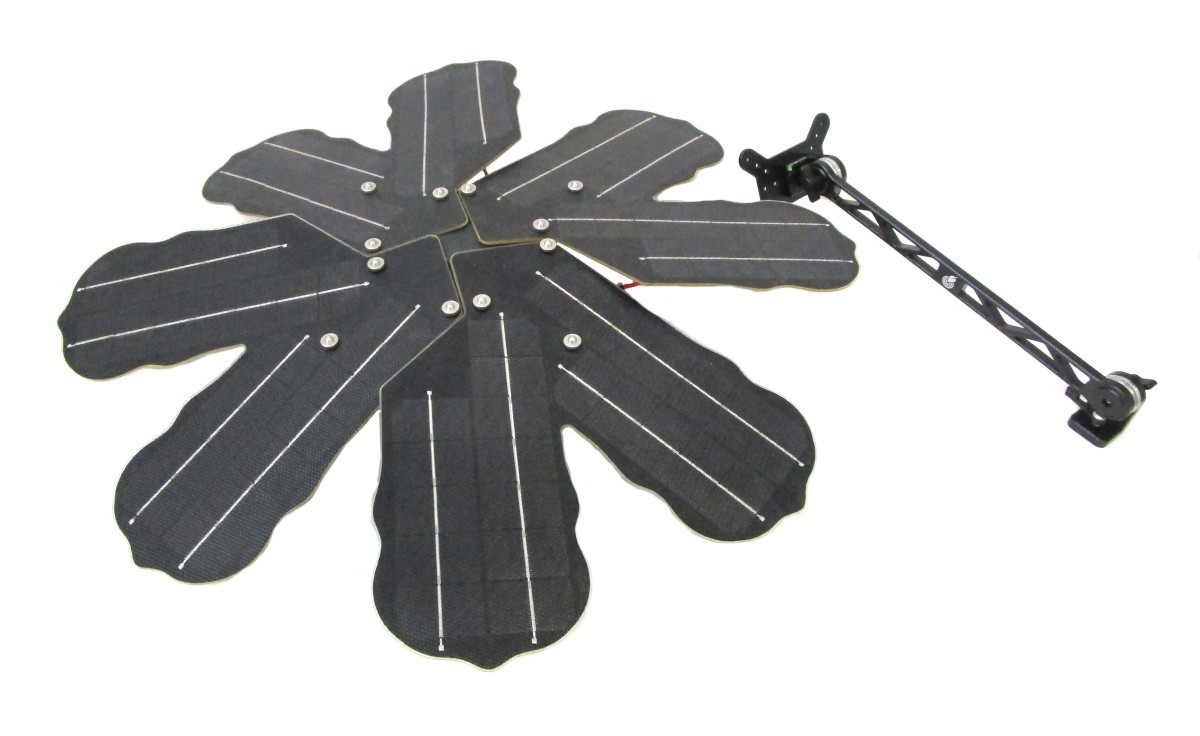
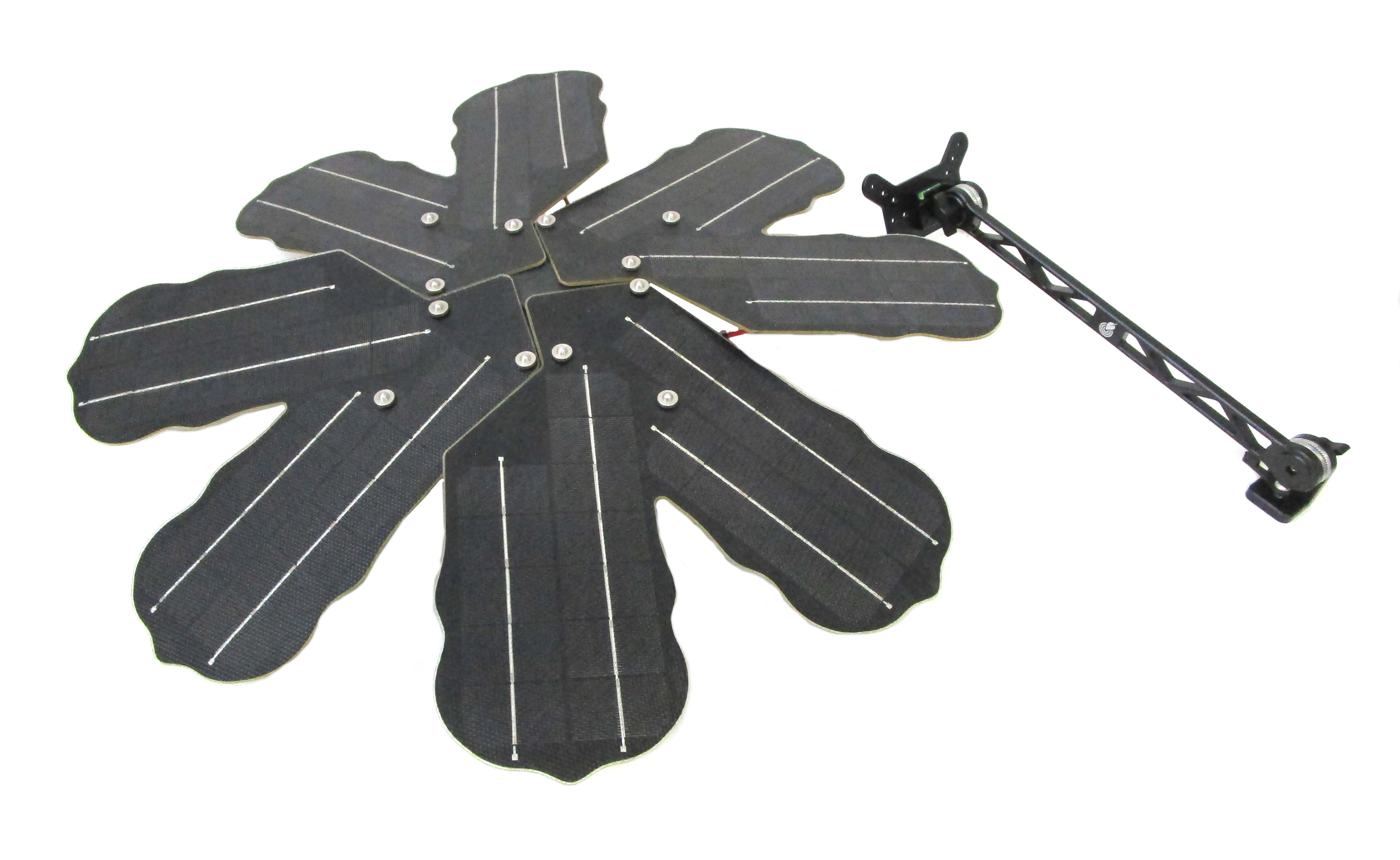
Acoustic monitoring system, Rainforest Connection 2022: Solar-powered monitoring systems are used in Indonesia, for example, to detect and combat illegal logging.