Wed 08.04.2026

New permanent exhibition: in search of knowledge

The natural sciences fascinate, divide opinion and constantly offer new perspectives on our world. But the path to knowledge is not always straightforward, as ‘Science Changes’, the new permanent exhibition at the TMW, demonstrates.
“Science Changes” sets out on a journey of discovery, bringing key scientific breakthroughs – from astronomy and earth sciences to quantum physics – to life across 800 m². Visitors learn about the often winding paths these discoveries take from initial observation to full understanding.
 
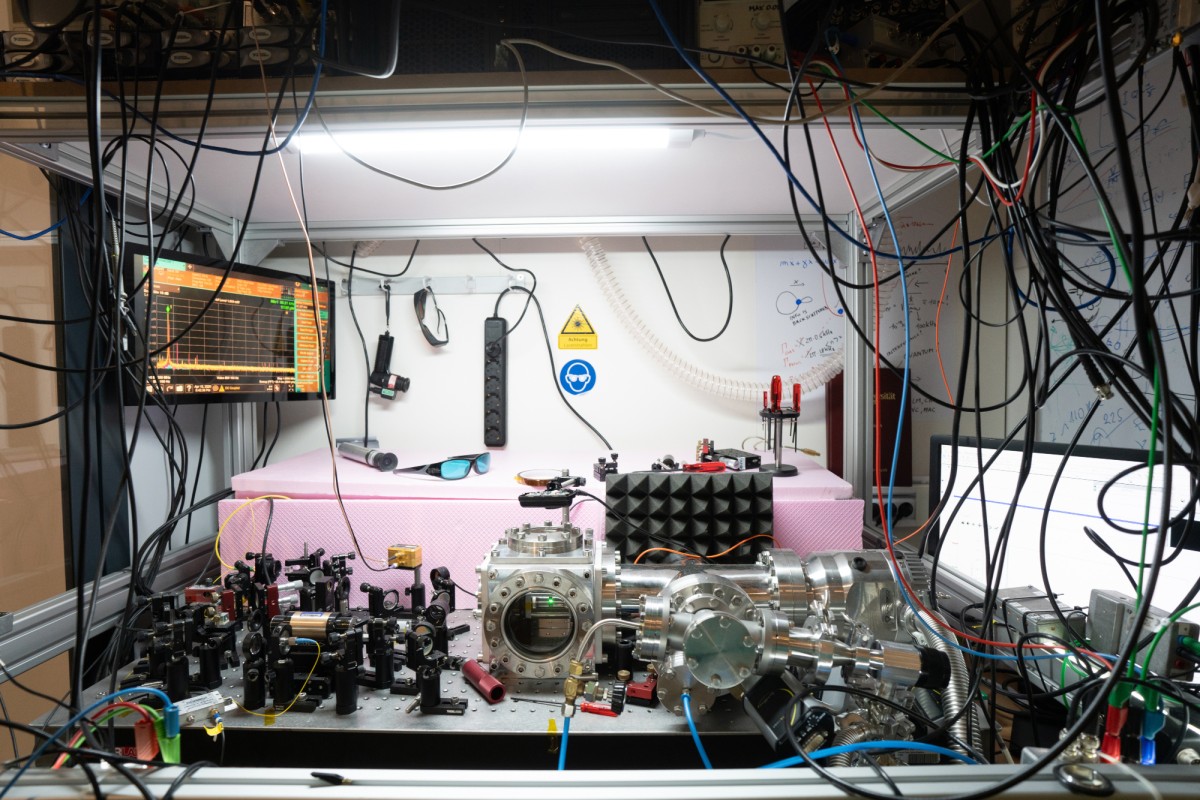
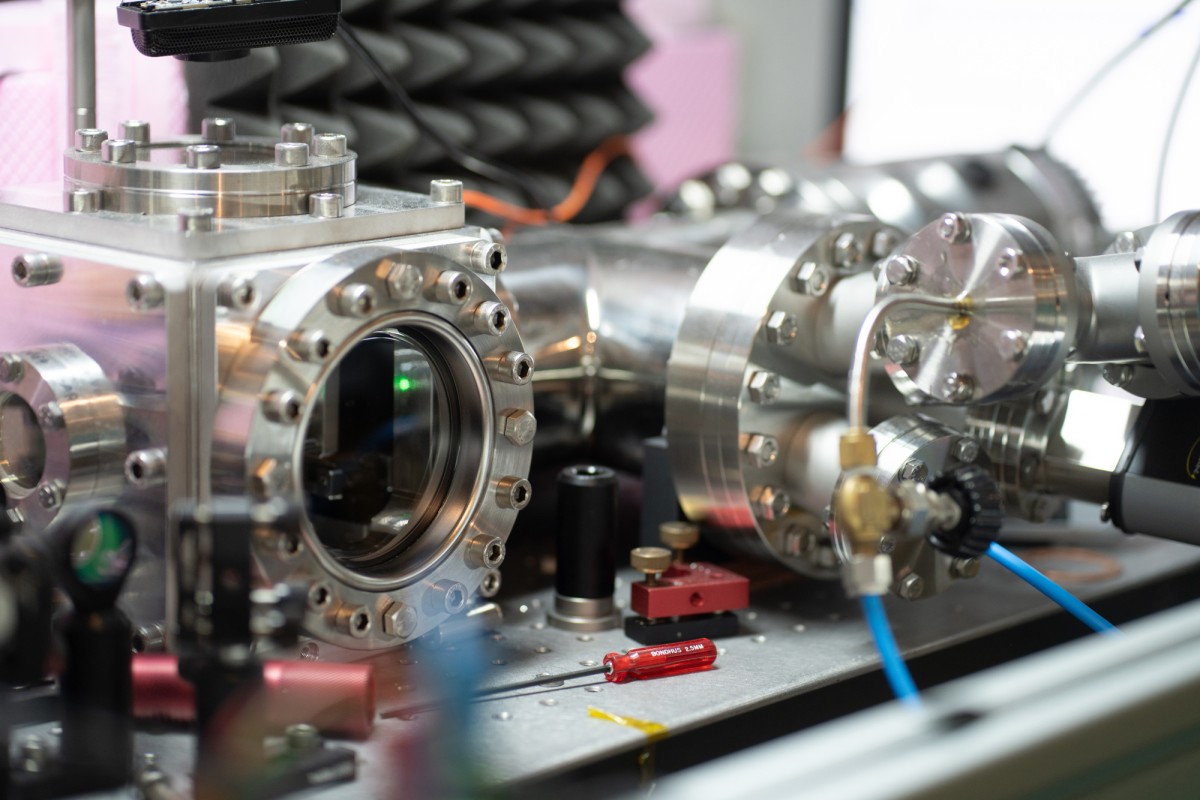
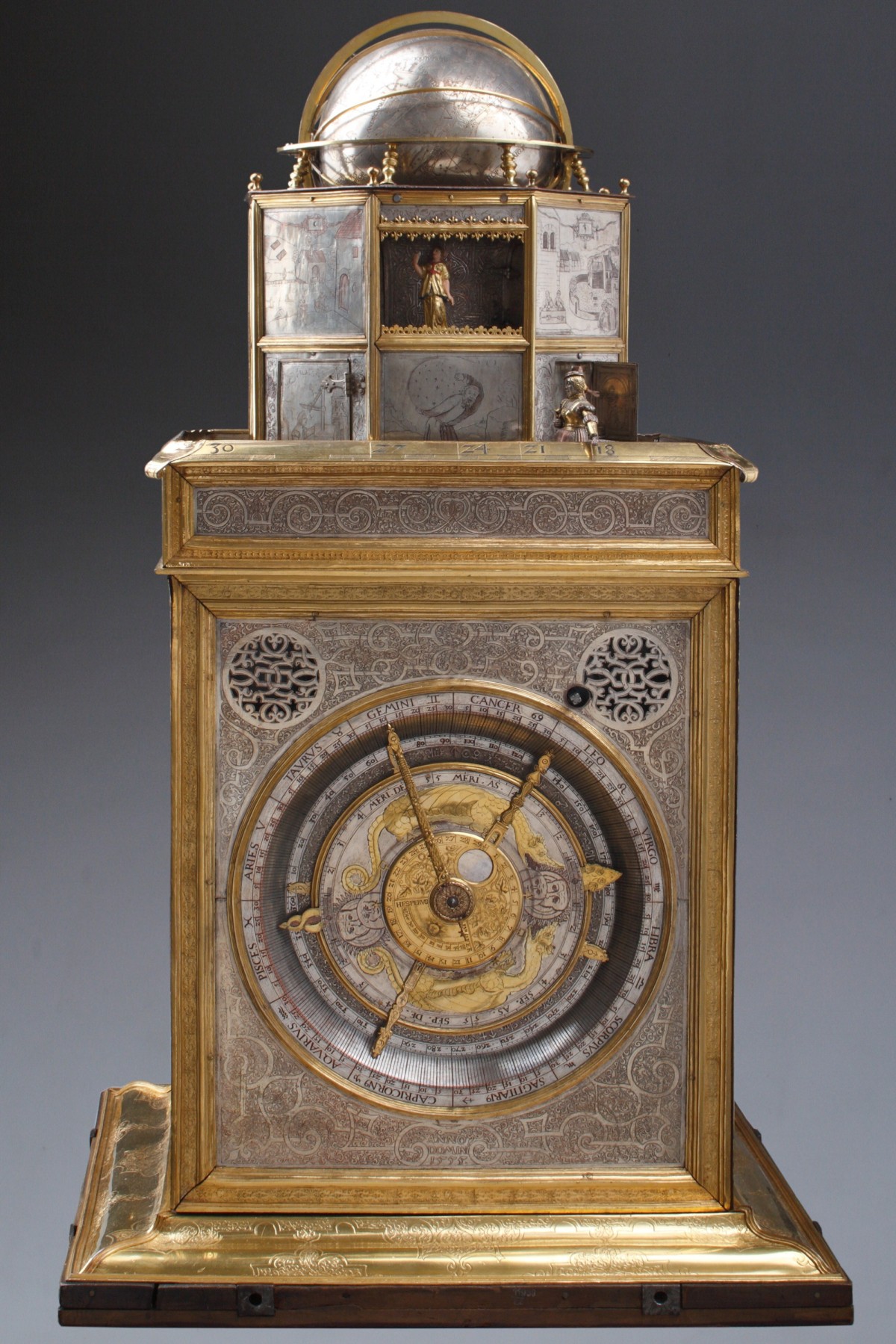
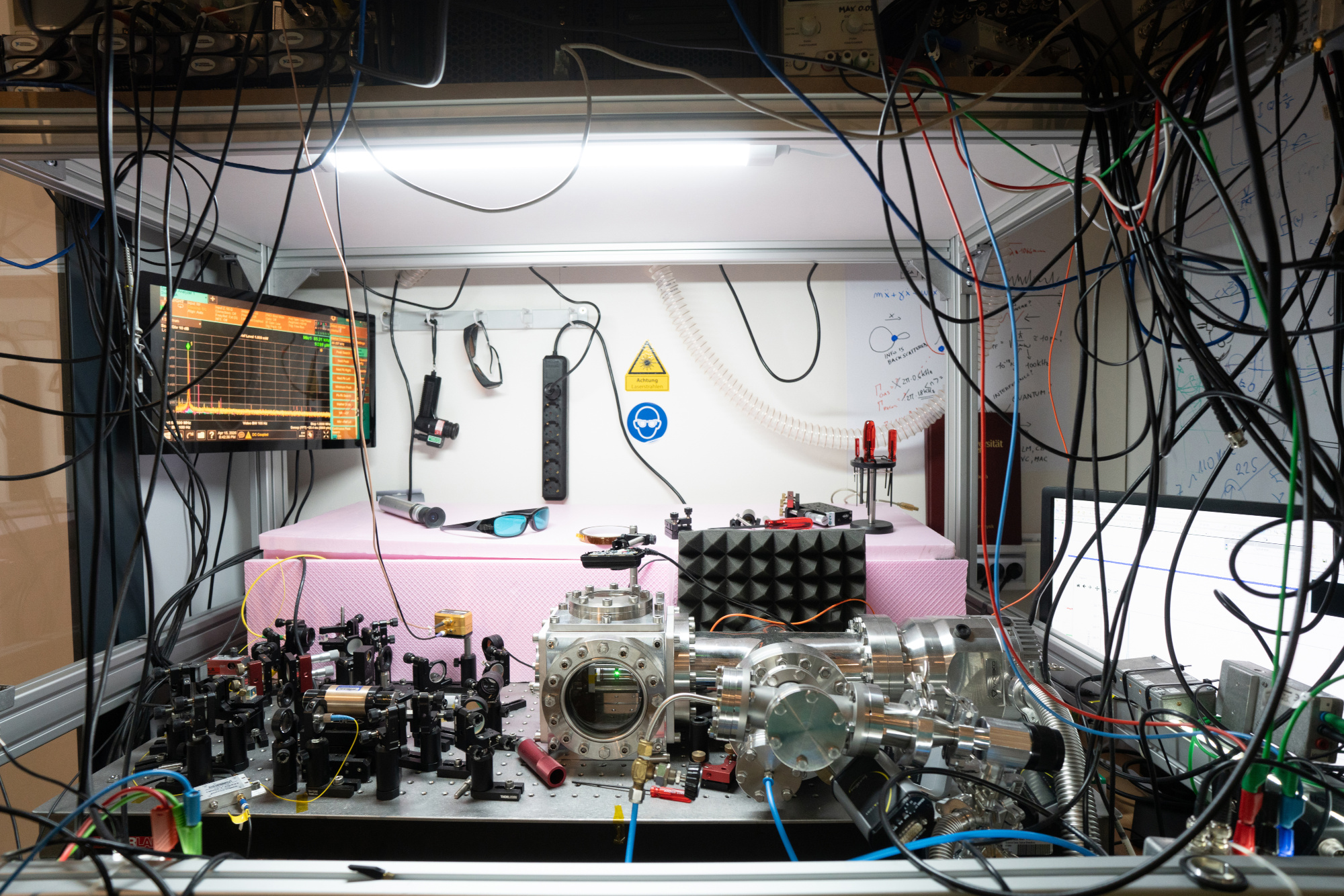
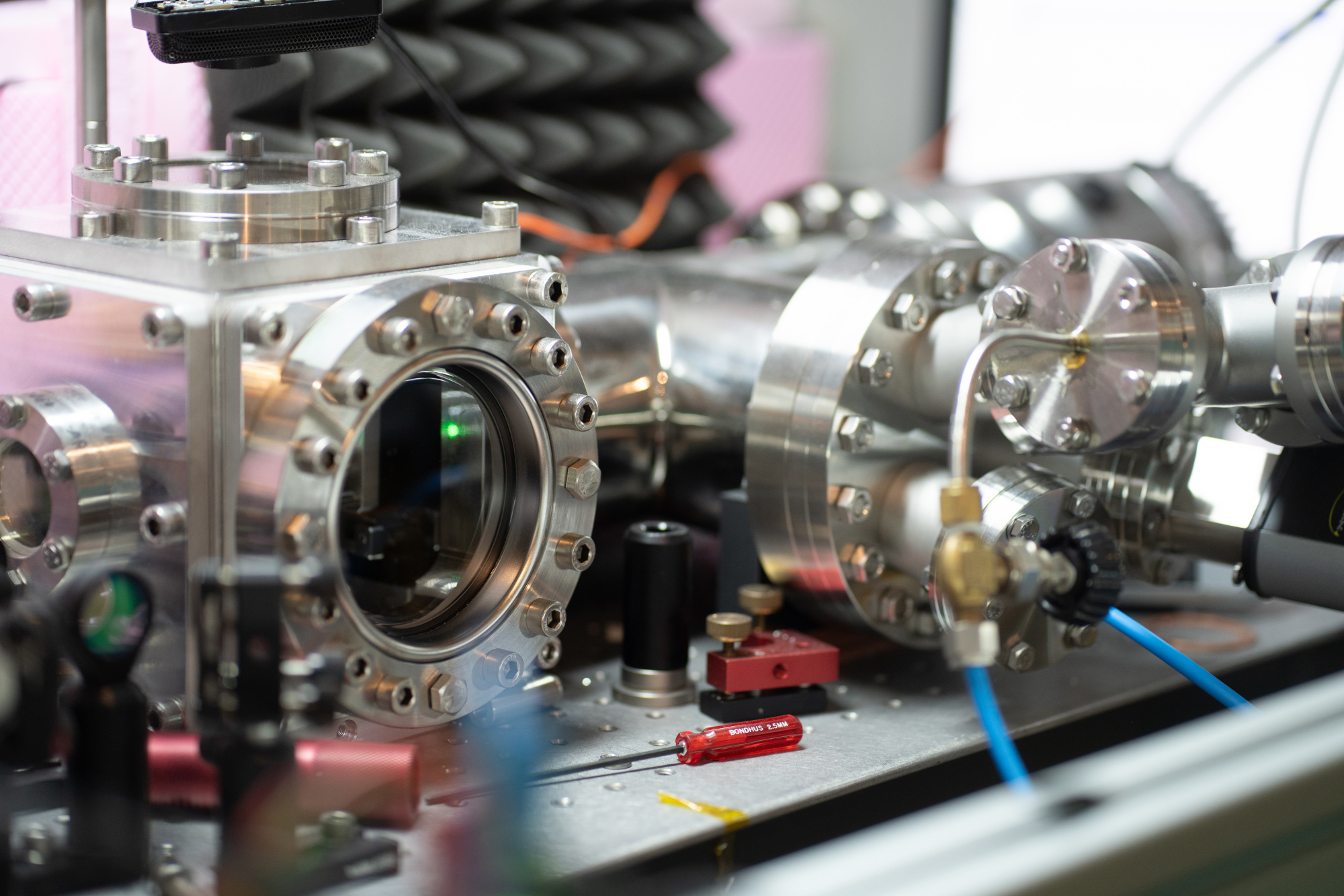
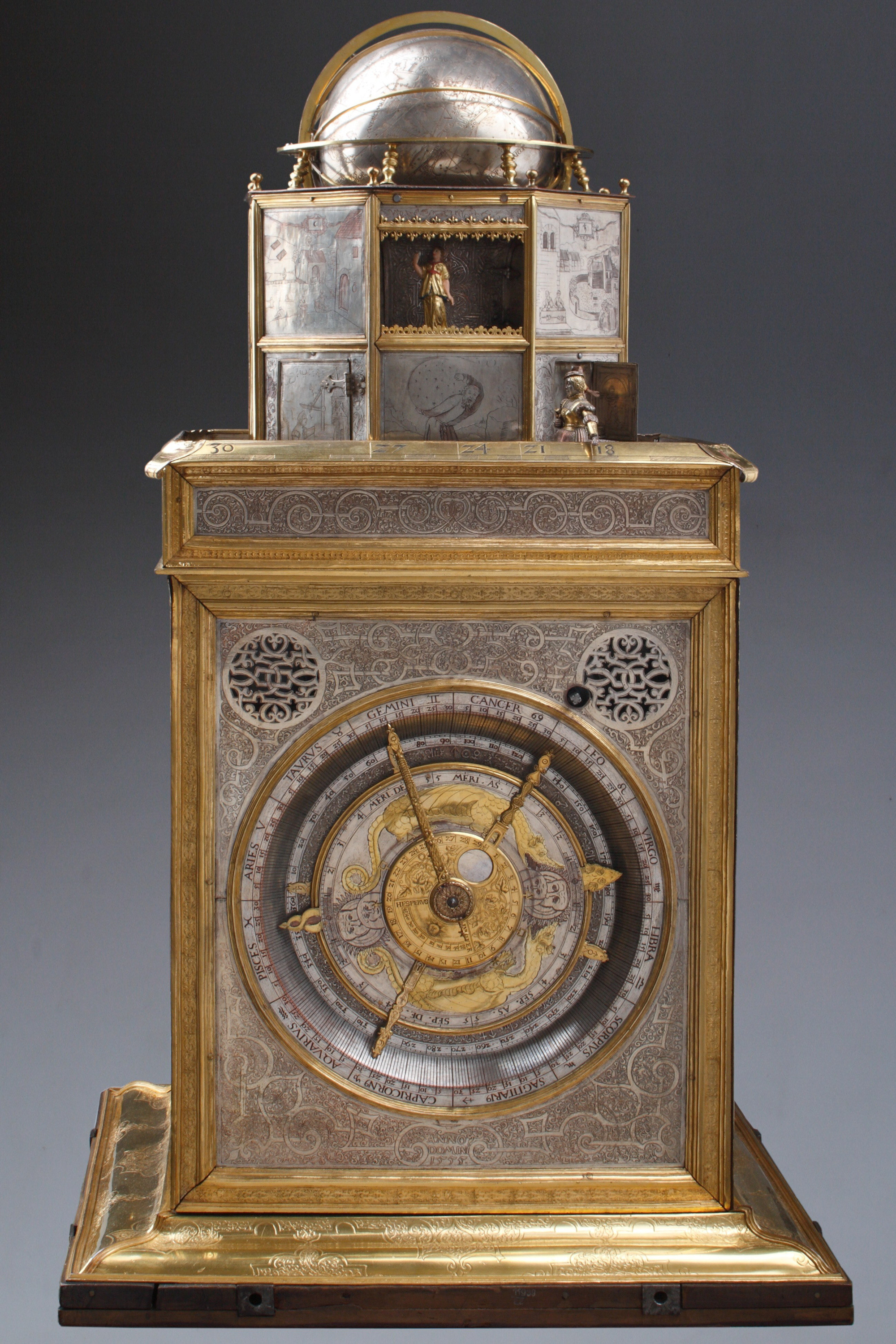
Highlights from the TMW’s extensive collection, such as the 16th-century Immser clock, which visualises the movements of the planets, are juxtaposed with state-of-the-art research environments such as a quantum optics laboratory. The diverse objects on display reveal what influences scientific understanding:
for alongside methodology and tools, worldviews, society and politics are also key factors in the generation of knowledge.
 
The permanent exhibition “Science Changes” focuses on humanity and its boundless curiosity, demonstrating that the acquisition of scientific knowledge is a dynamic process that is never fully complete, yet constantly provides new direction.
 
Images from the opening on 23 April 2026:
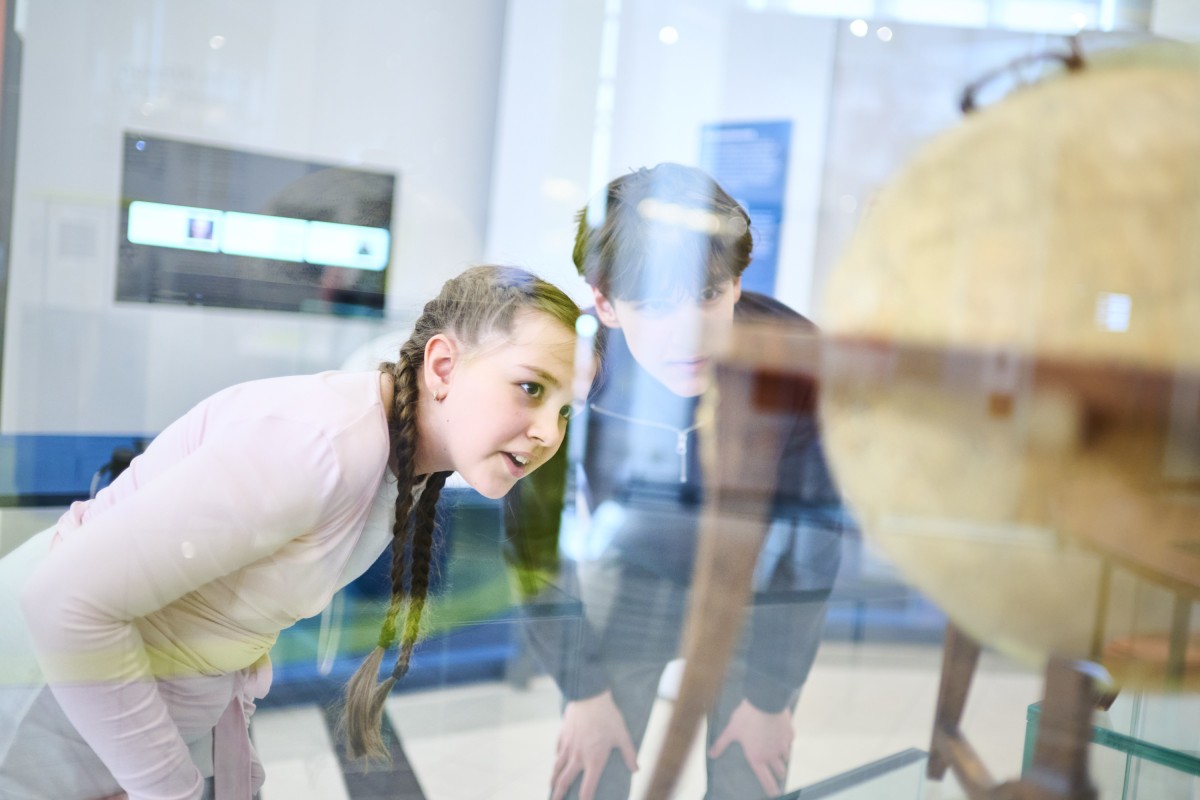
Chapter: ‘Astronomy’
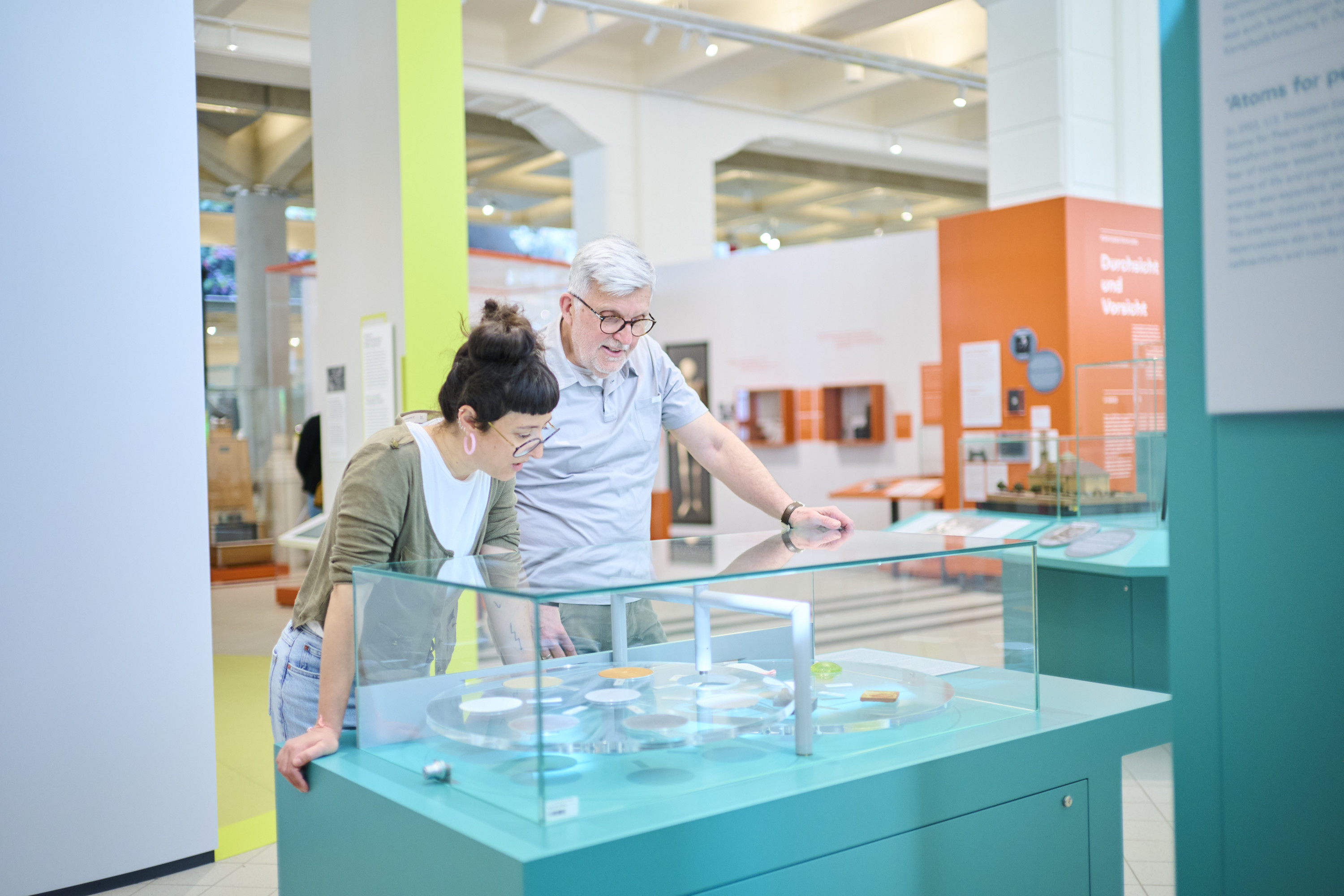
© Technisches Museum Wien/Sebastian Weissinger
Chapter ‘Astronomy’
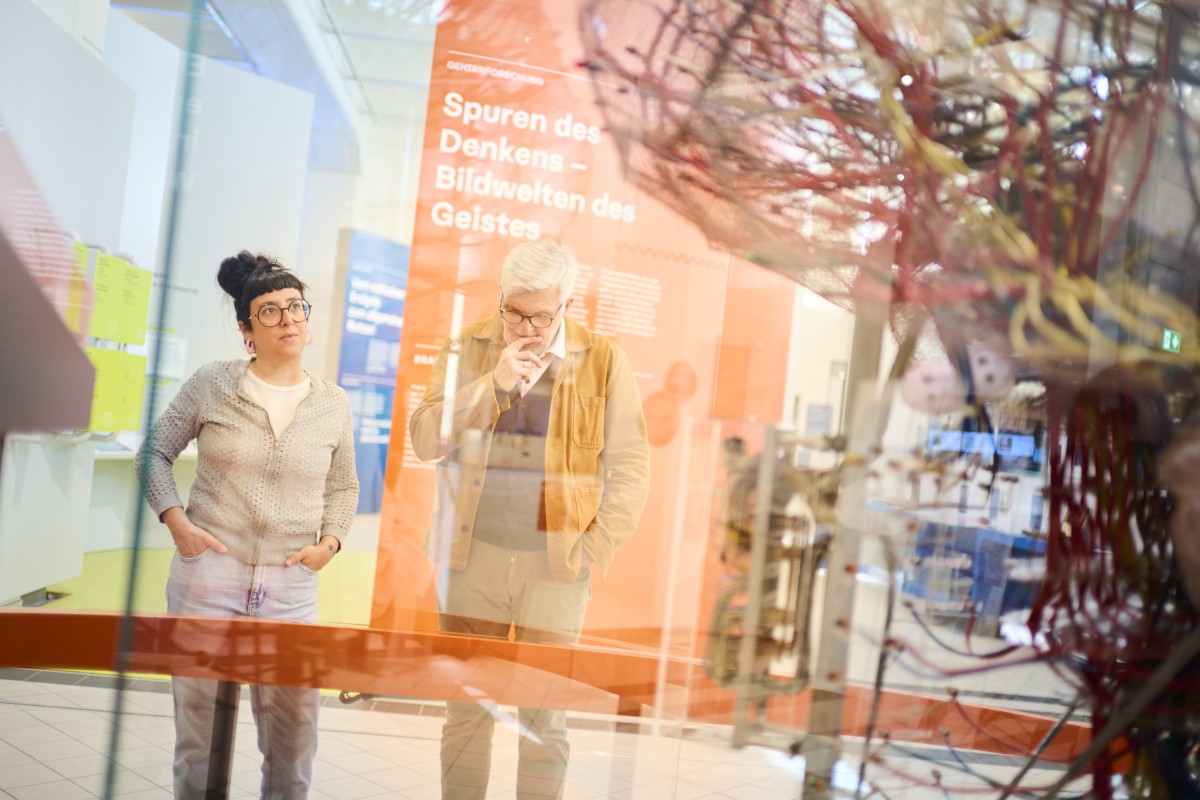
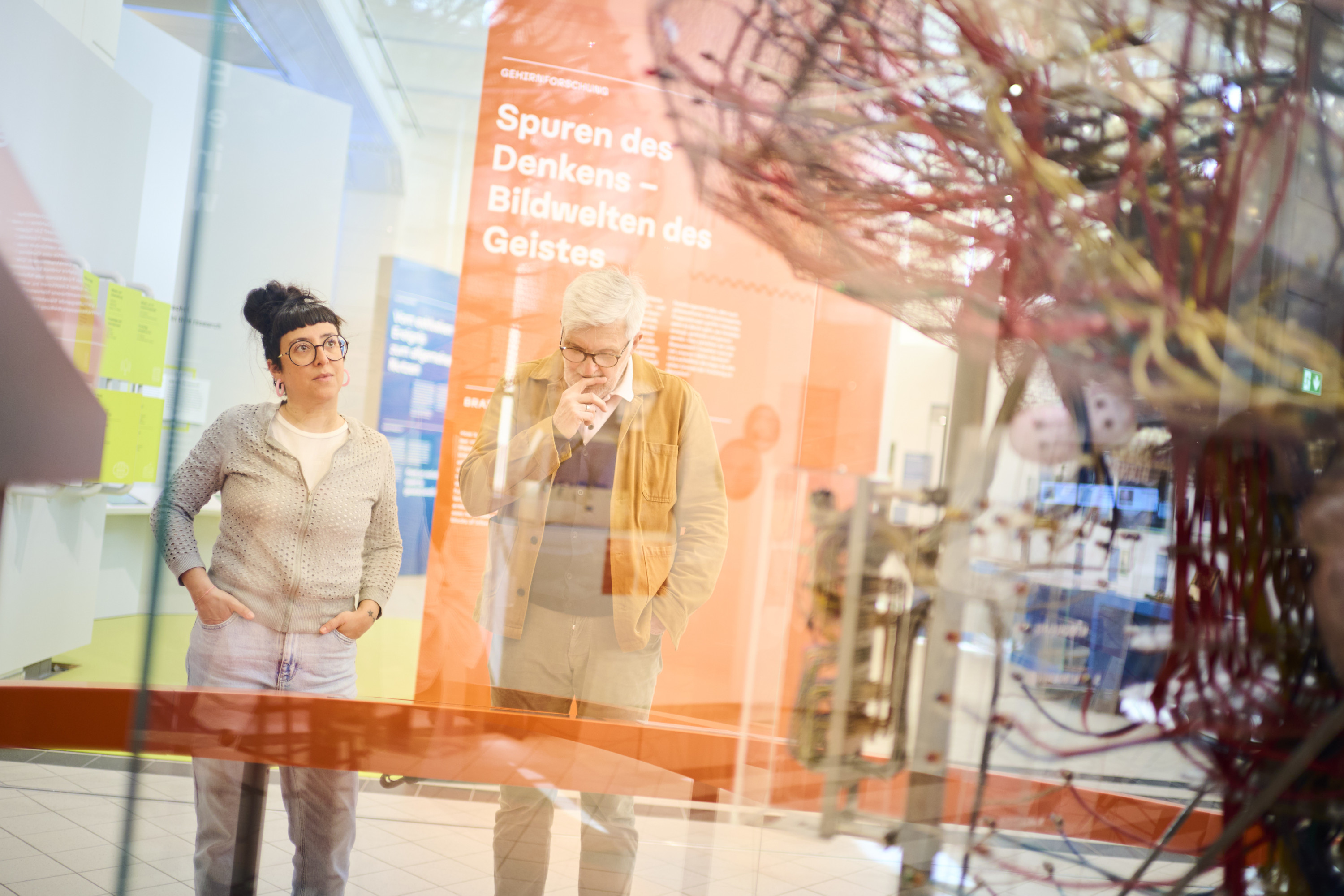
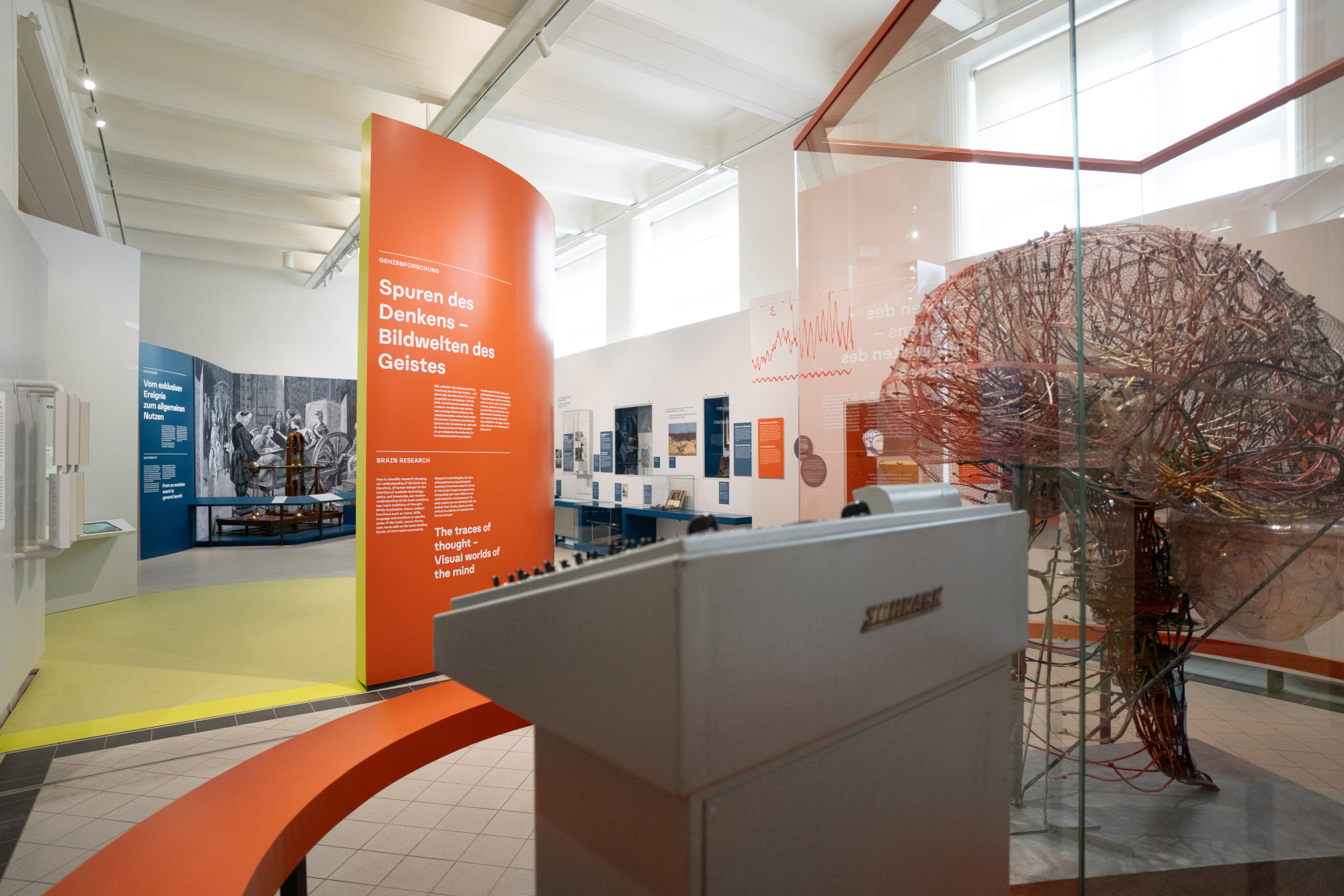
Theme area: ‘Traces of Thought’
© Technisches Museum Wien/Sebastian Weissinger
Theme area ‘Traces of Thought’
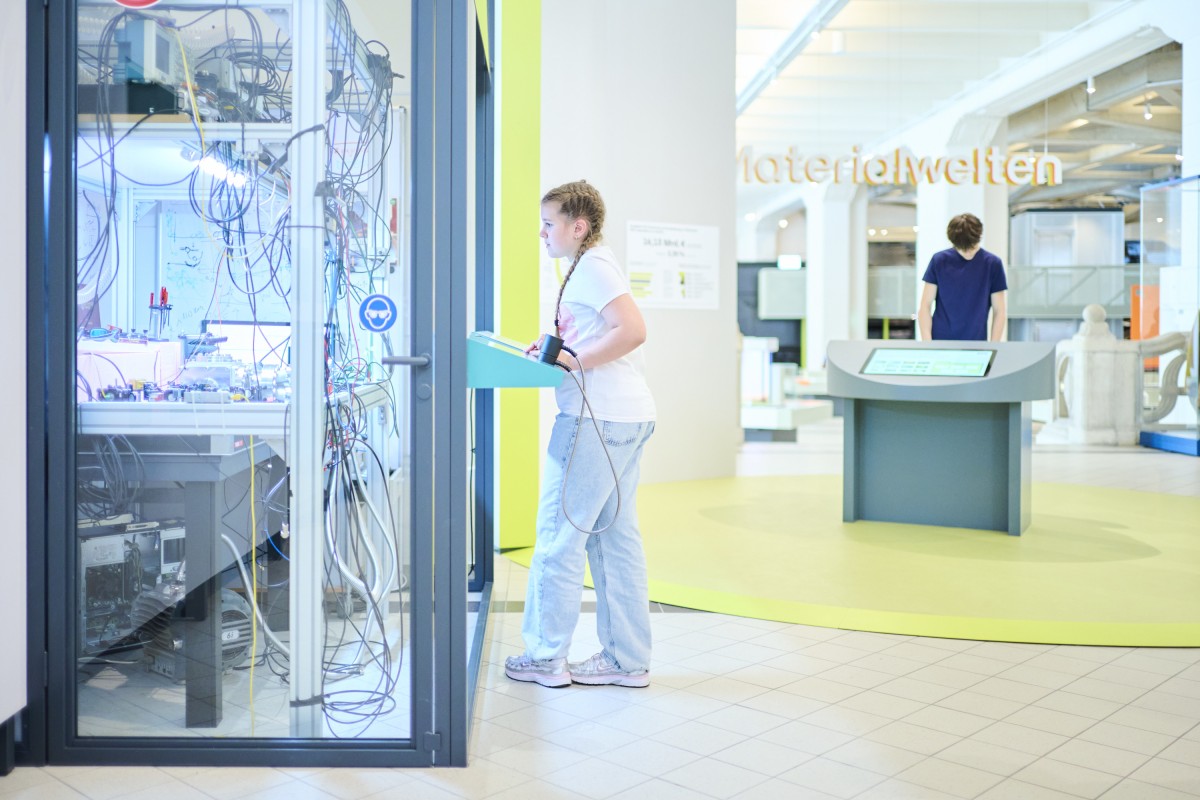
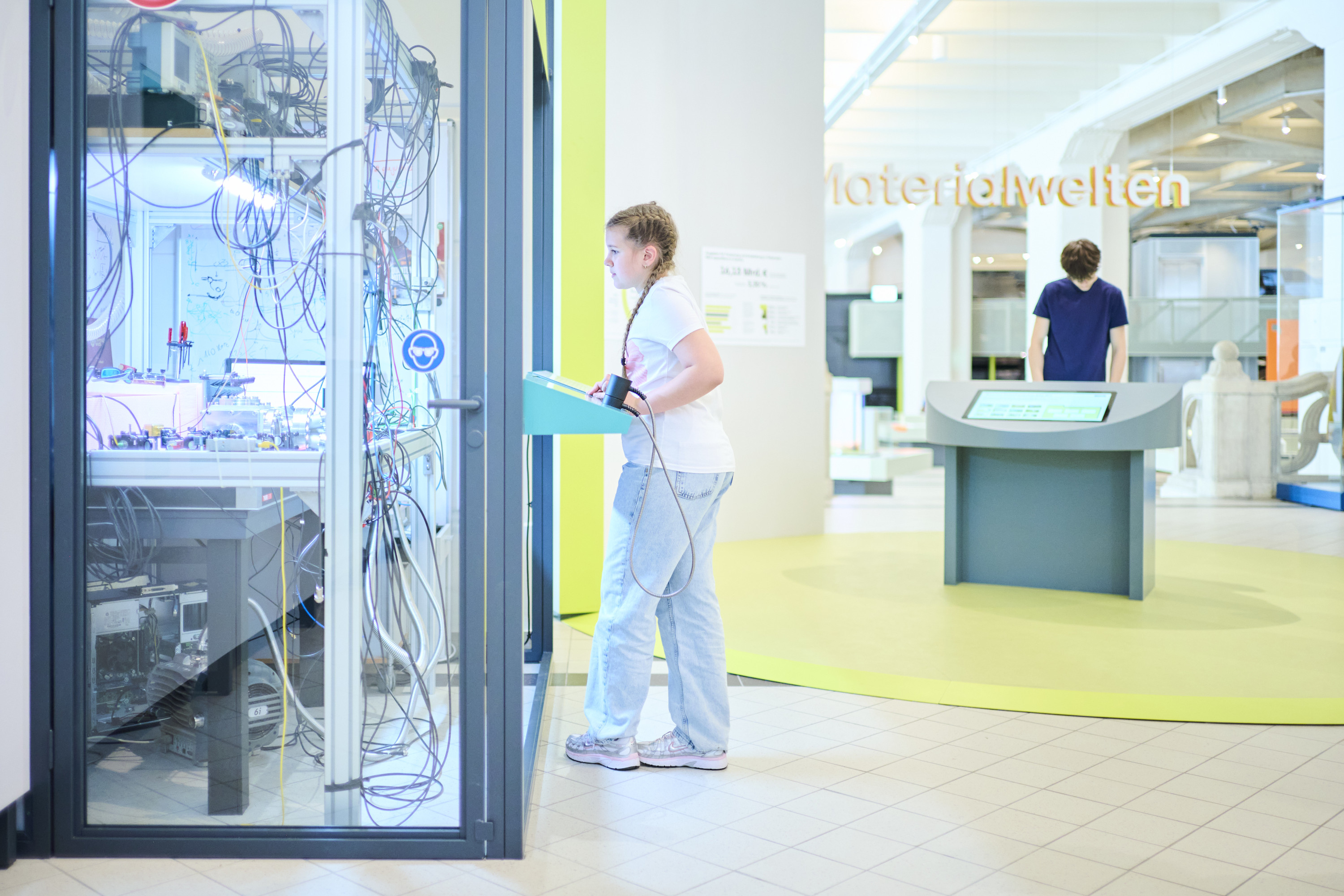
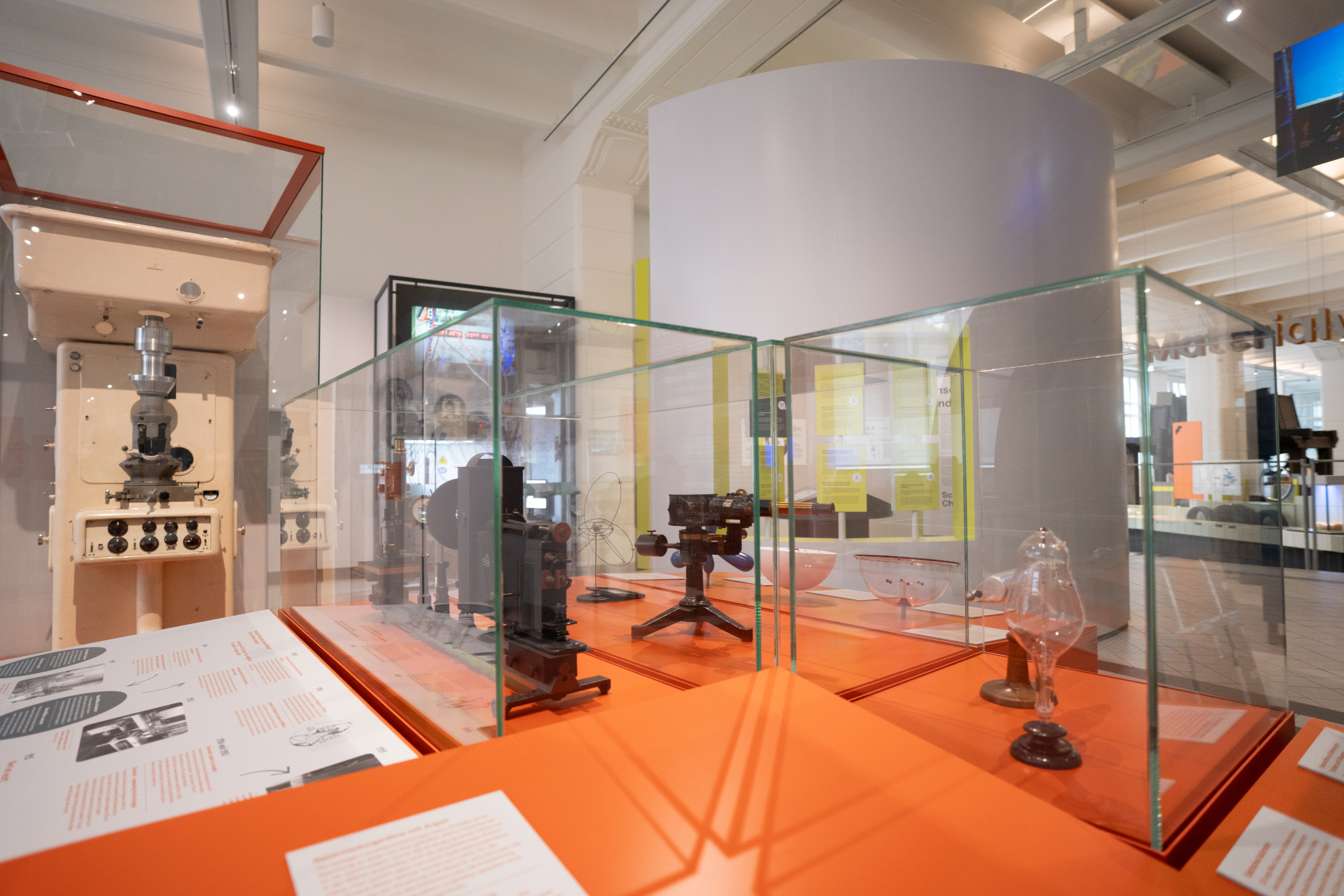
Theme area: “Quantum Physics”
© Technisches Museum Wien/Sebastian Weissinger
Theme area “Quantum Physics”
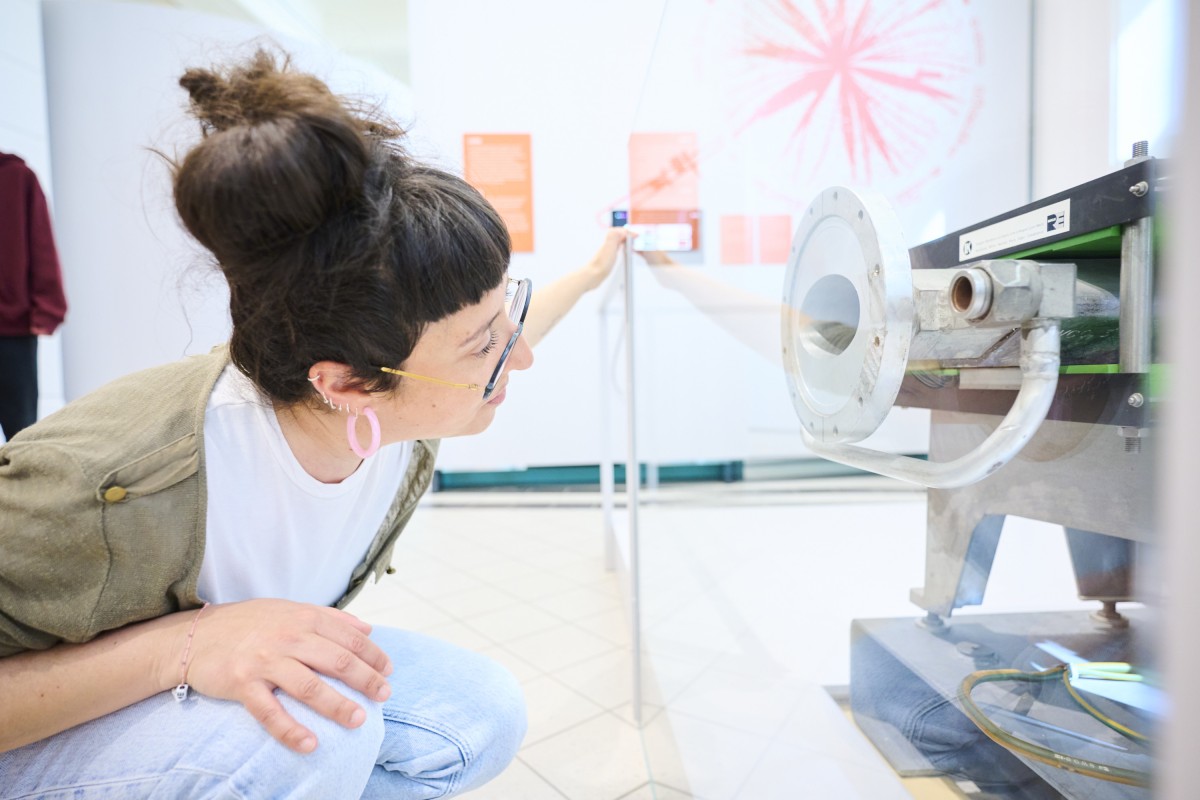
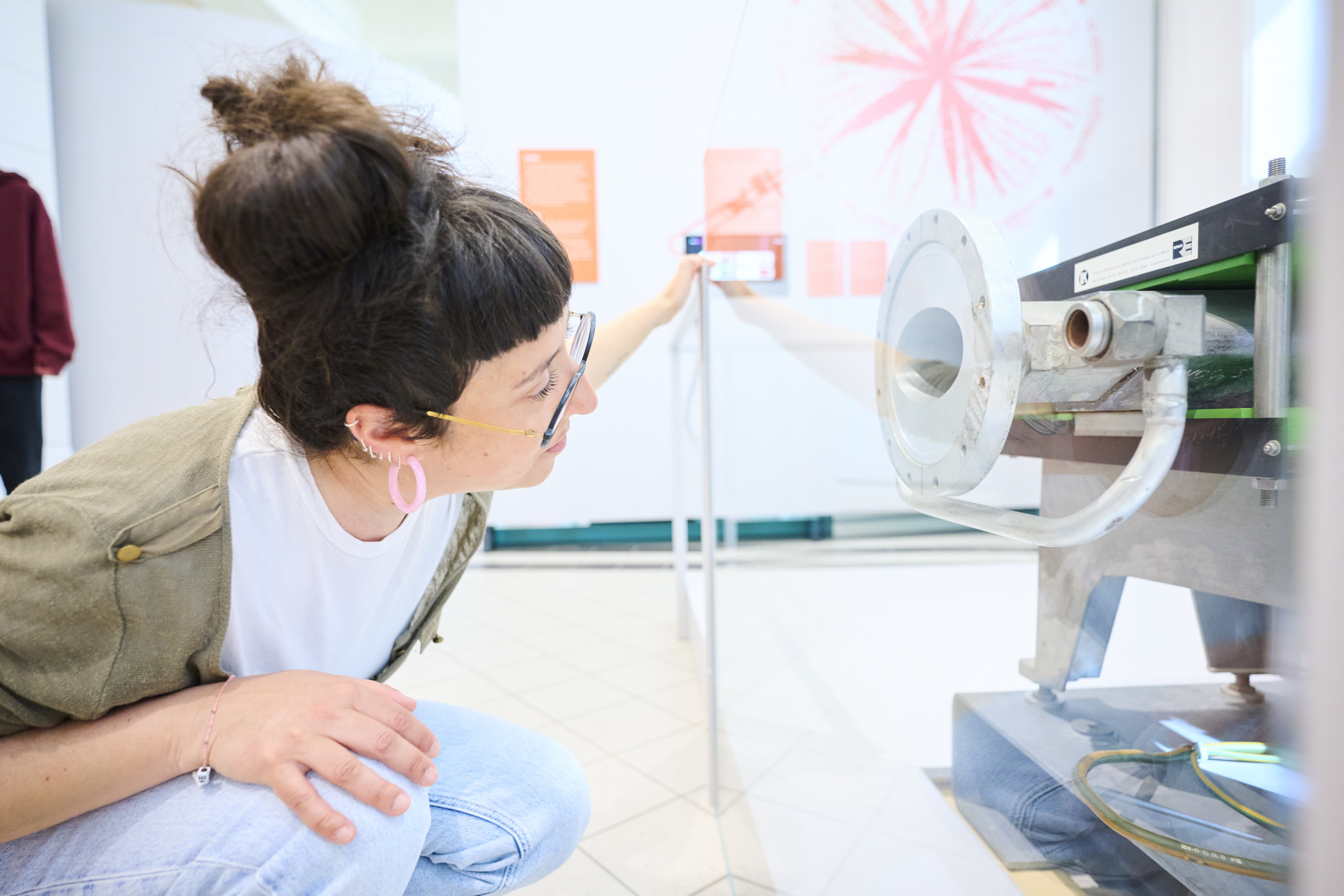
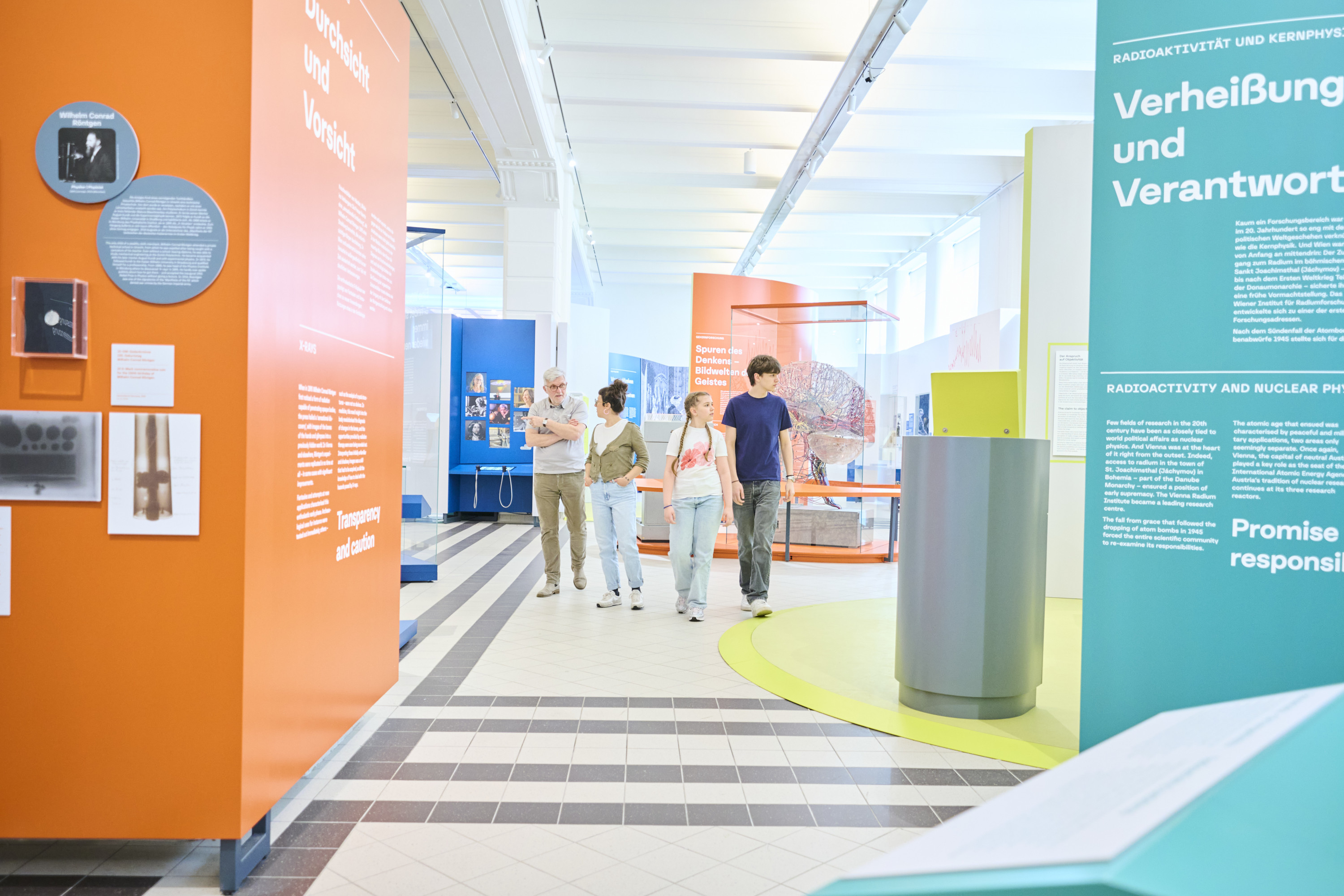
‘CERN’ section
© Technisches Museum Wien/Sebastian Weissinger
‘CERN’ section
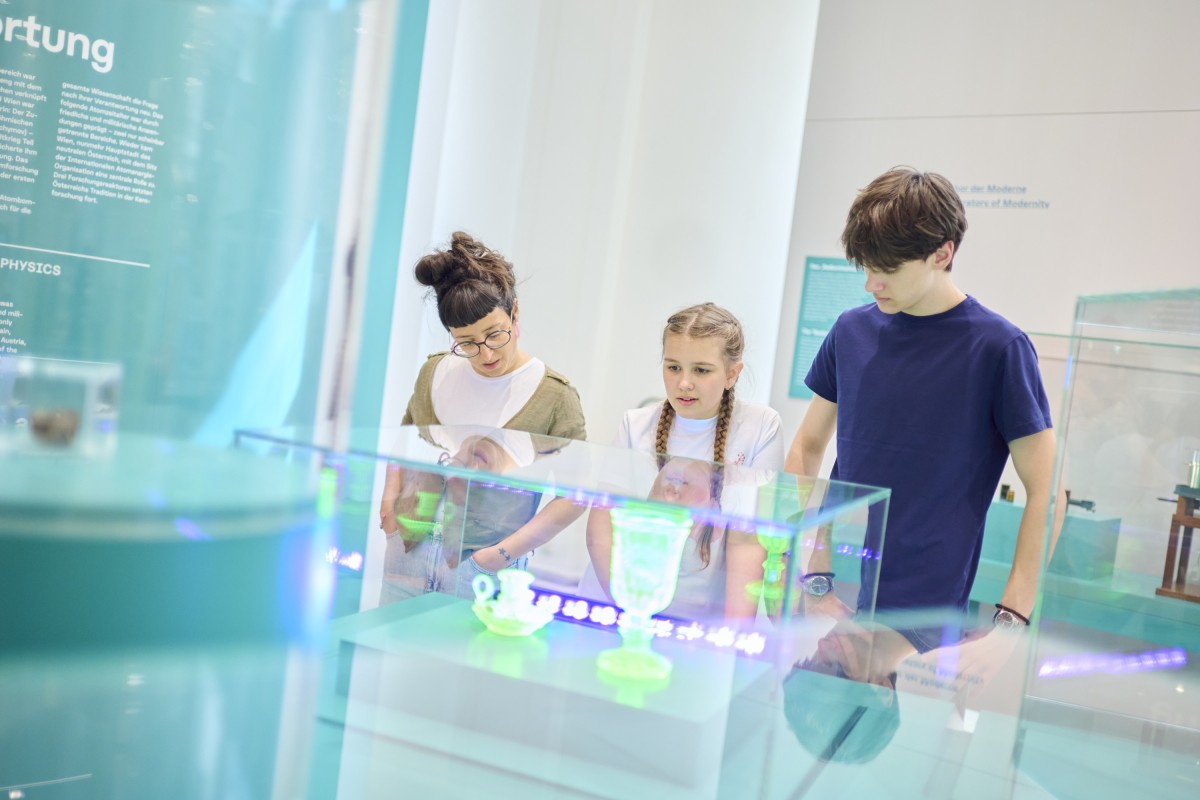
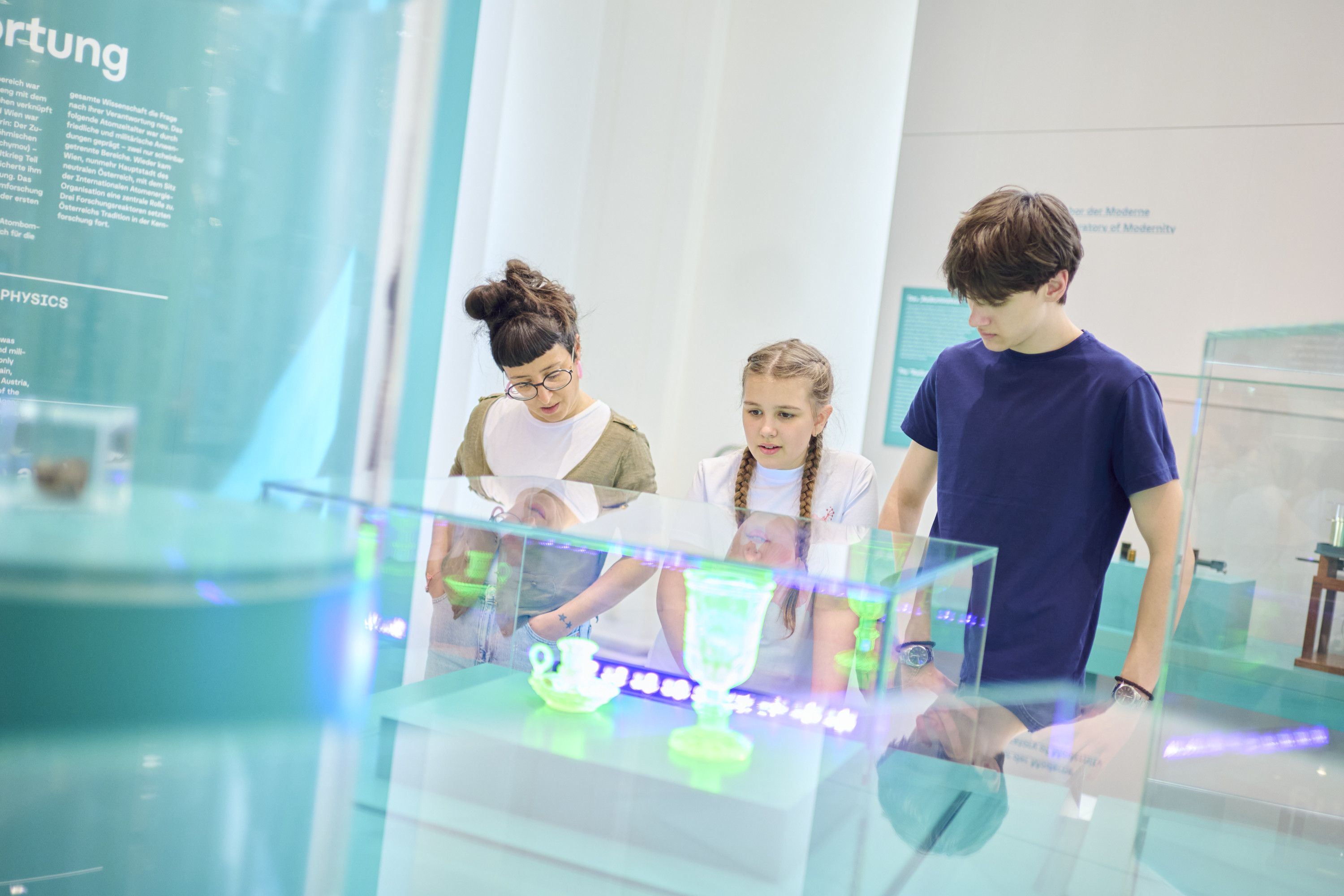
Hands-on: ‘Uranium glass tumblers and candle holders’
© Technisches Museum Wien/Sebastian Weissinger
Hands-on ‘Uranium glass tumblers and candle holders’
Hands-on: ‘Layer-by-layer imaging in a CT scanner’
© Technisches Museum Wien/Sebastian Weissinger
Hands-on ‘Layer-by-layer imaging in a CT scanner’
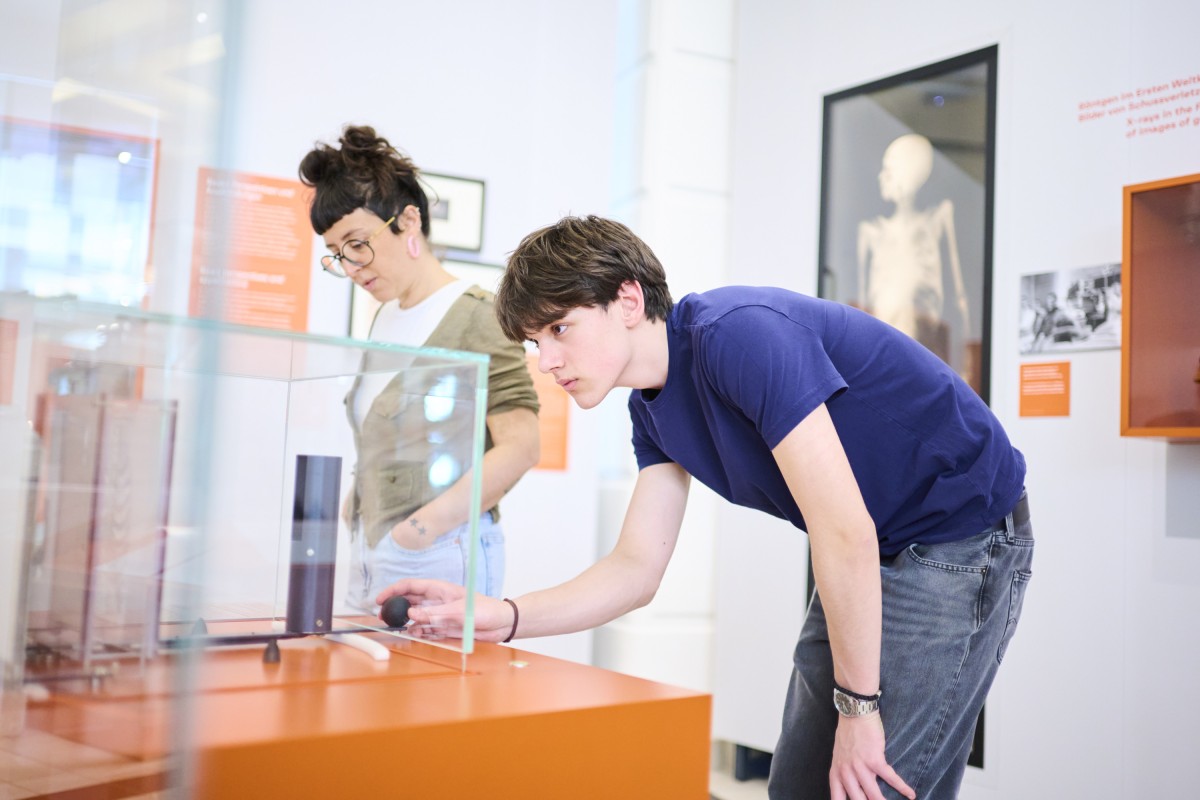
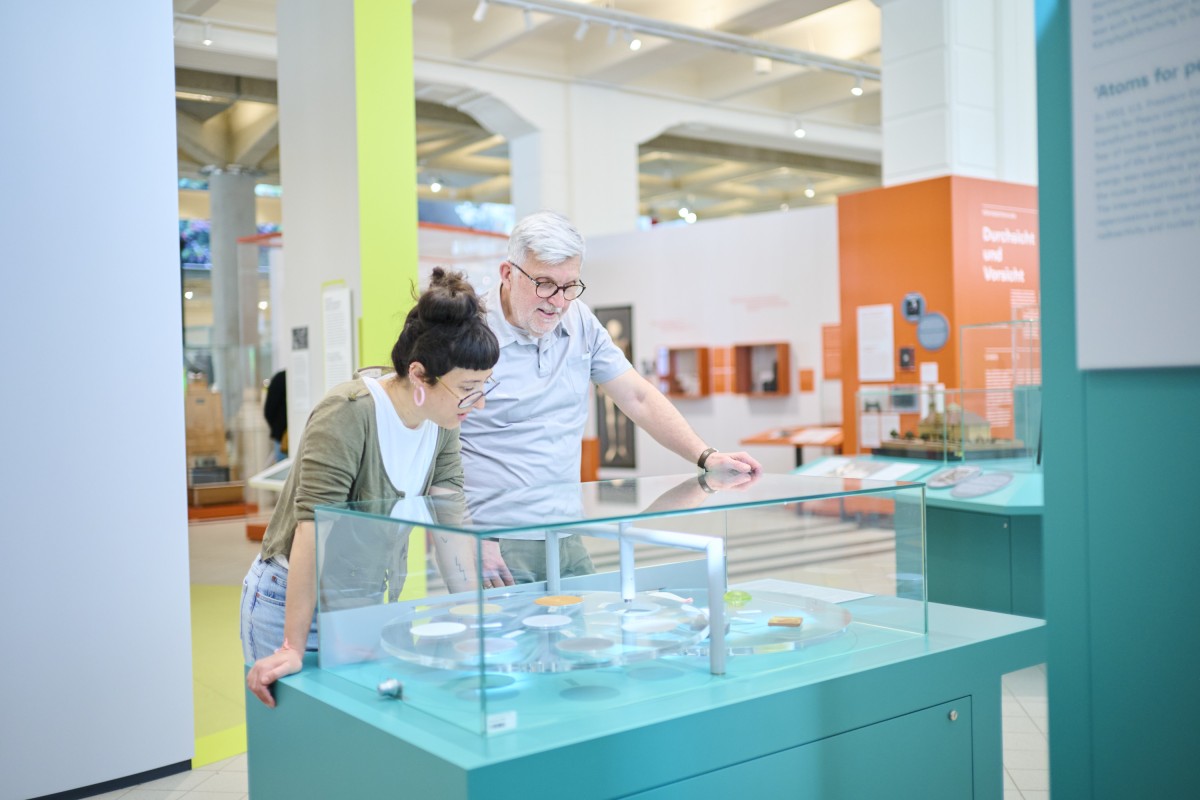
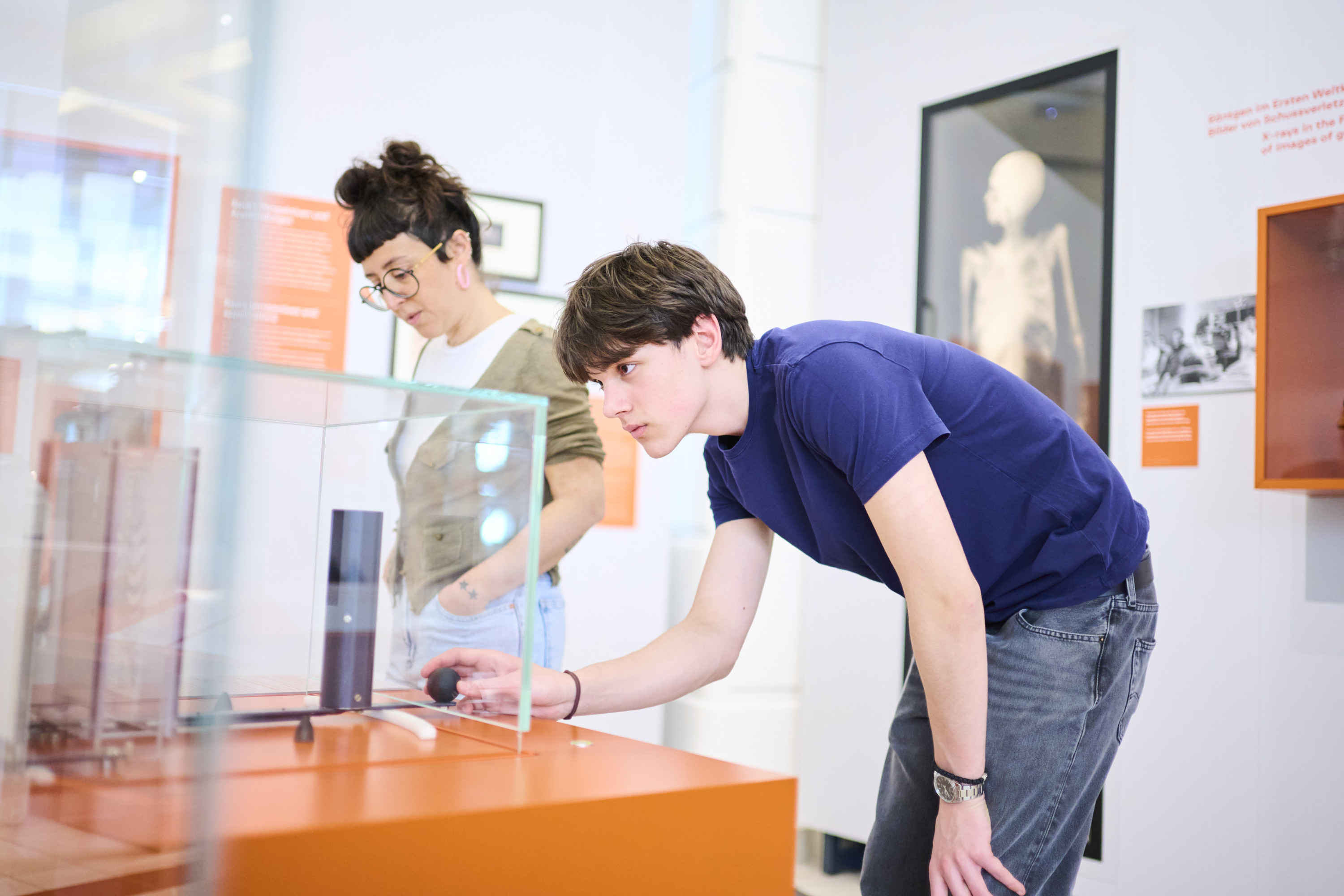
Hands-on: ‘Radioactive sources and their shielding’
© Technisches Museum Wien/Sebastian Weissinger
Hands-on ‘Radioactive sources and their shielding’
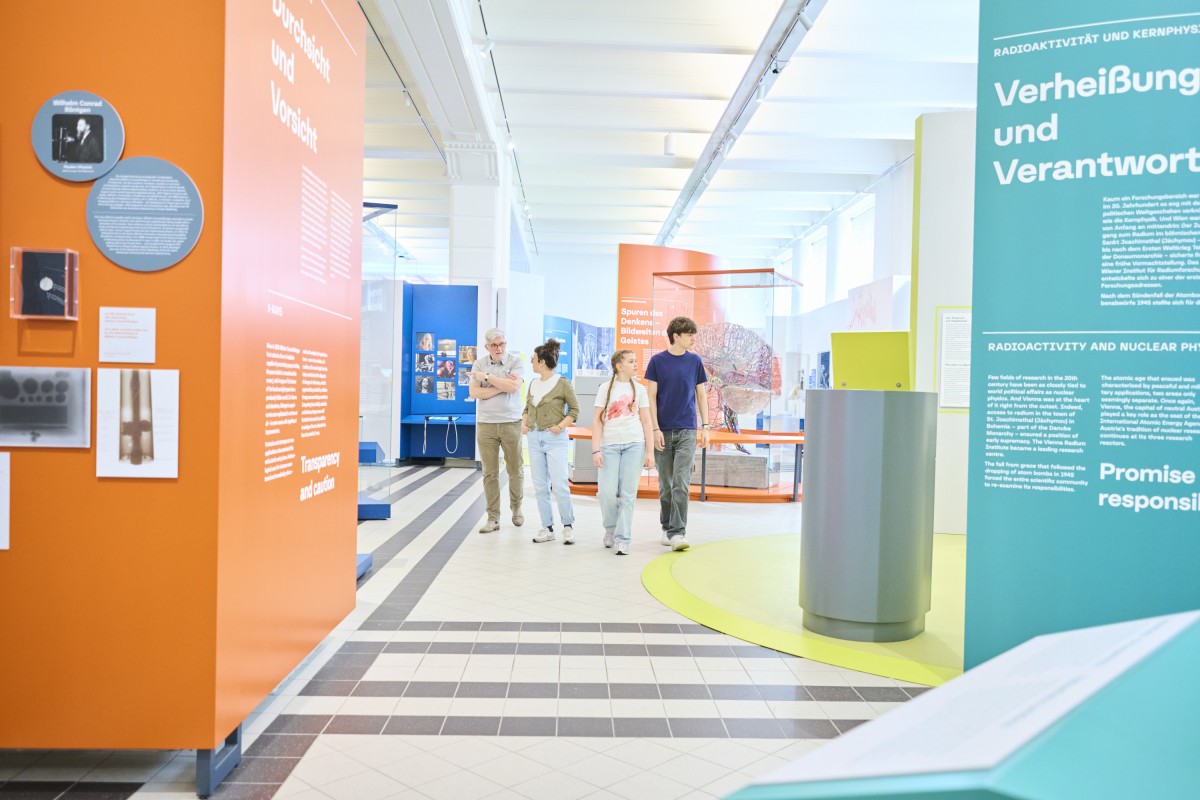
A glimpse into the permanent exhibition ‘Science in Transition’
© Technisches Museum Wien/Sebastian Weissinger
A glimpse into the permanent exhibition ‘Science in Transition’
© Technisches Museum Wien/Franzi Kreis
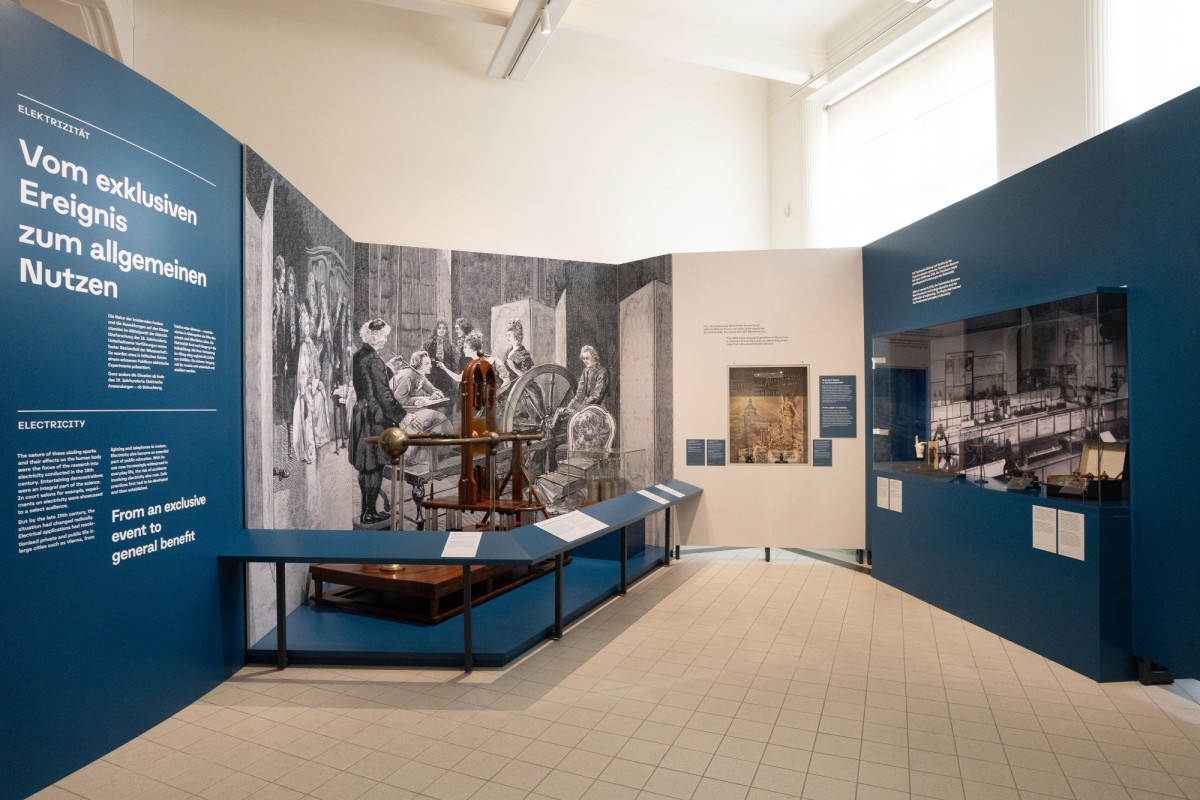
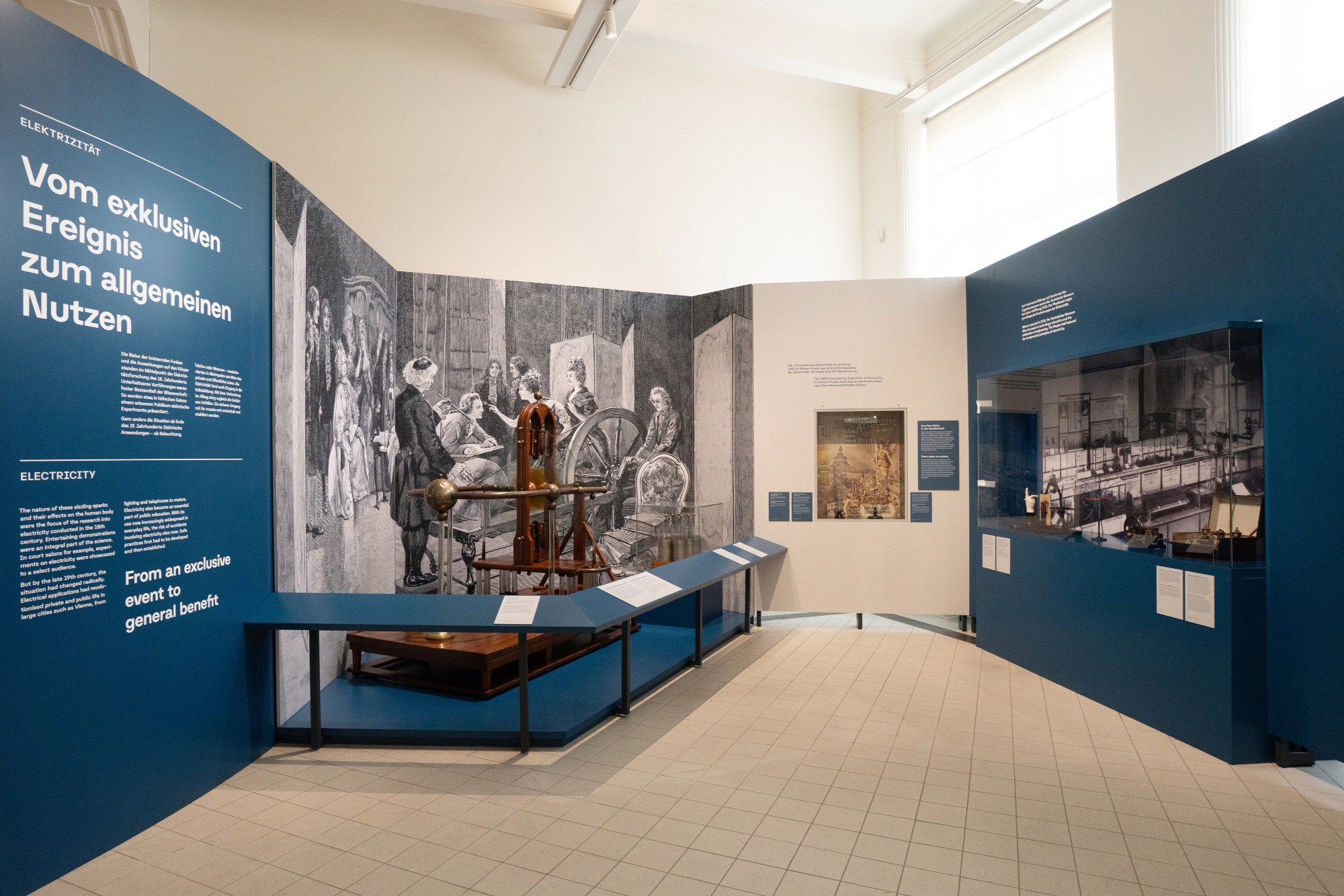
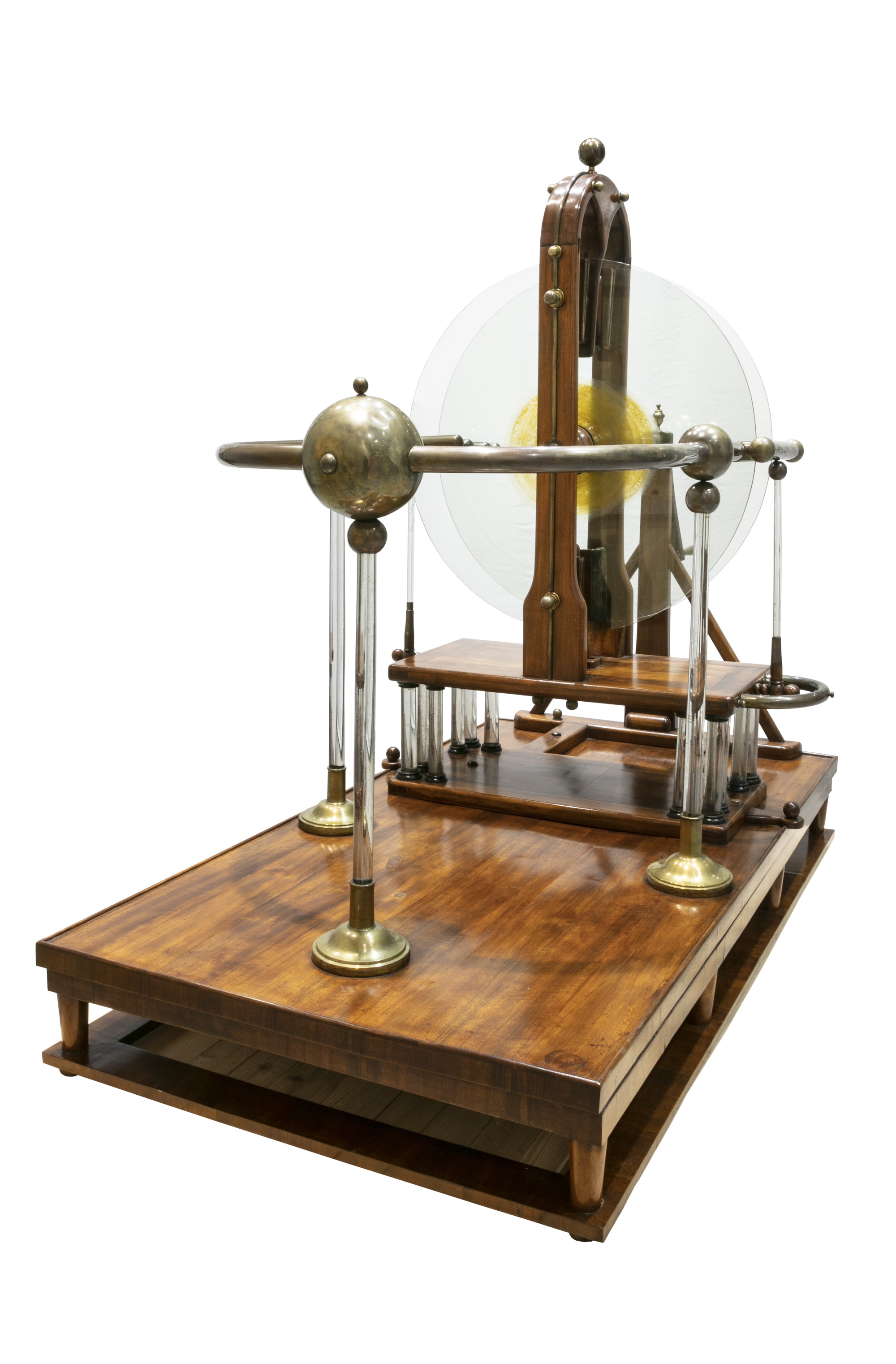
Chapter "Electricity"
© Technisches Museum Wien/Franzi Kreis
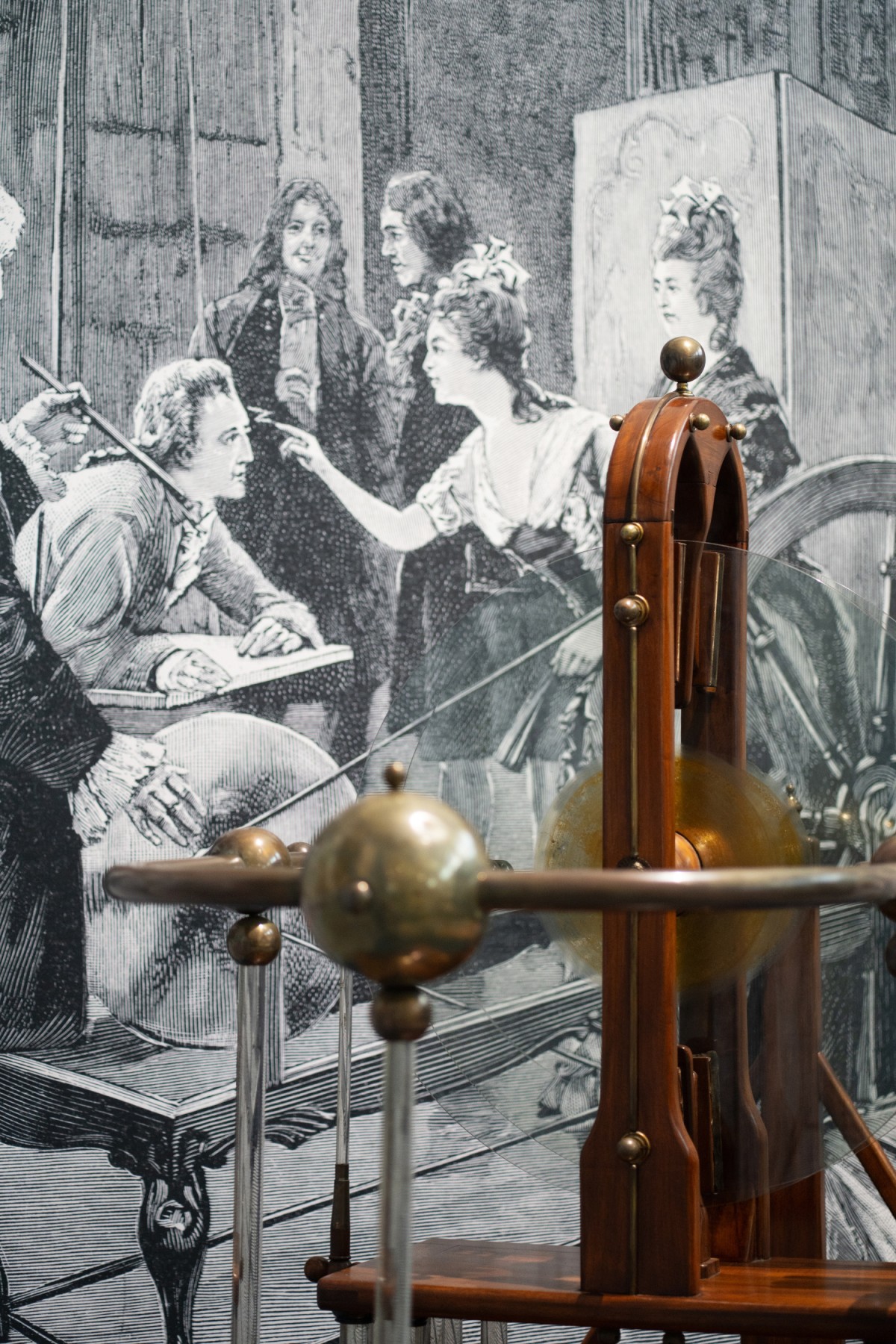
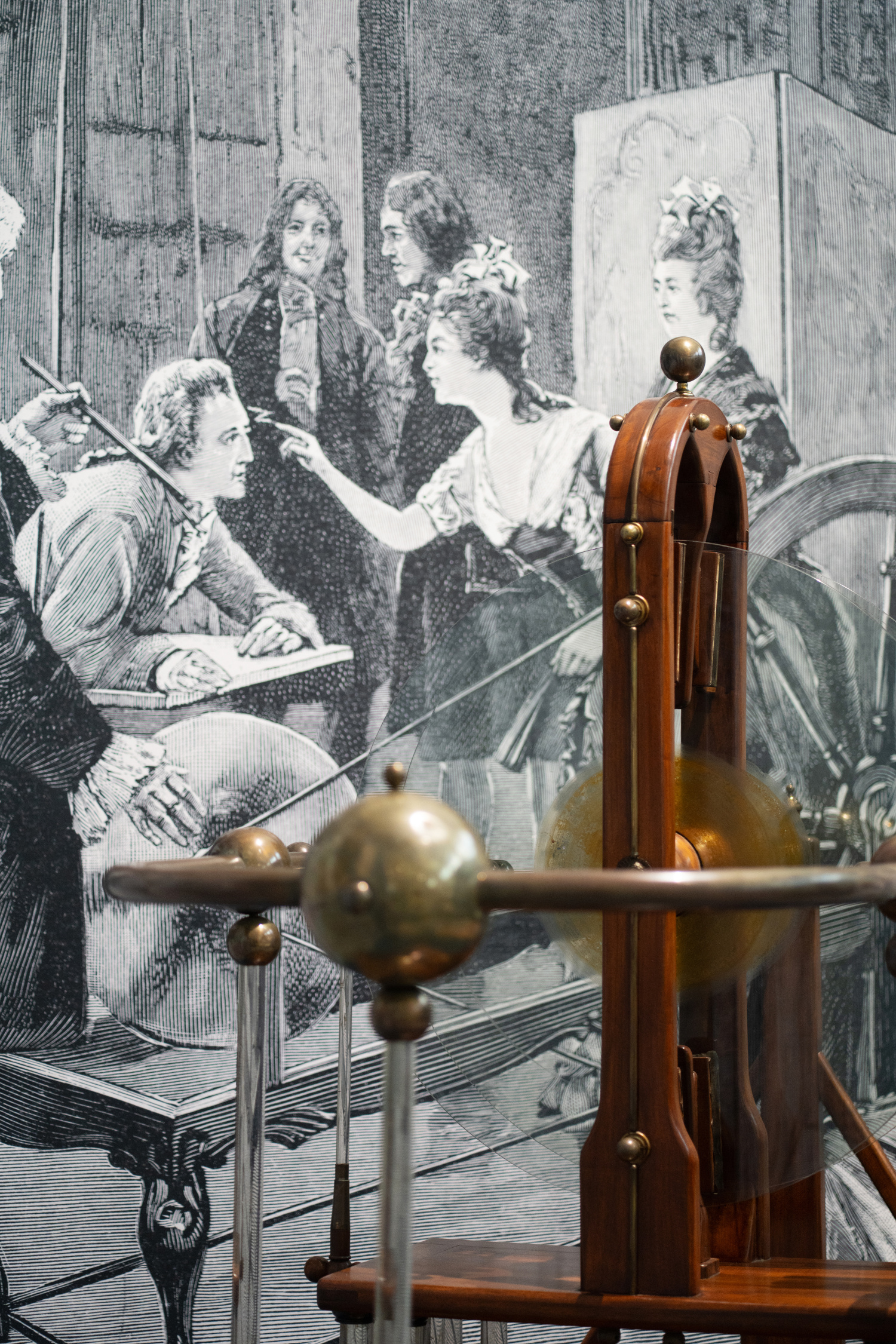
Detail view: Electrostatic generator
© Technisches Museum Wien/Franzi Kreis
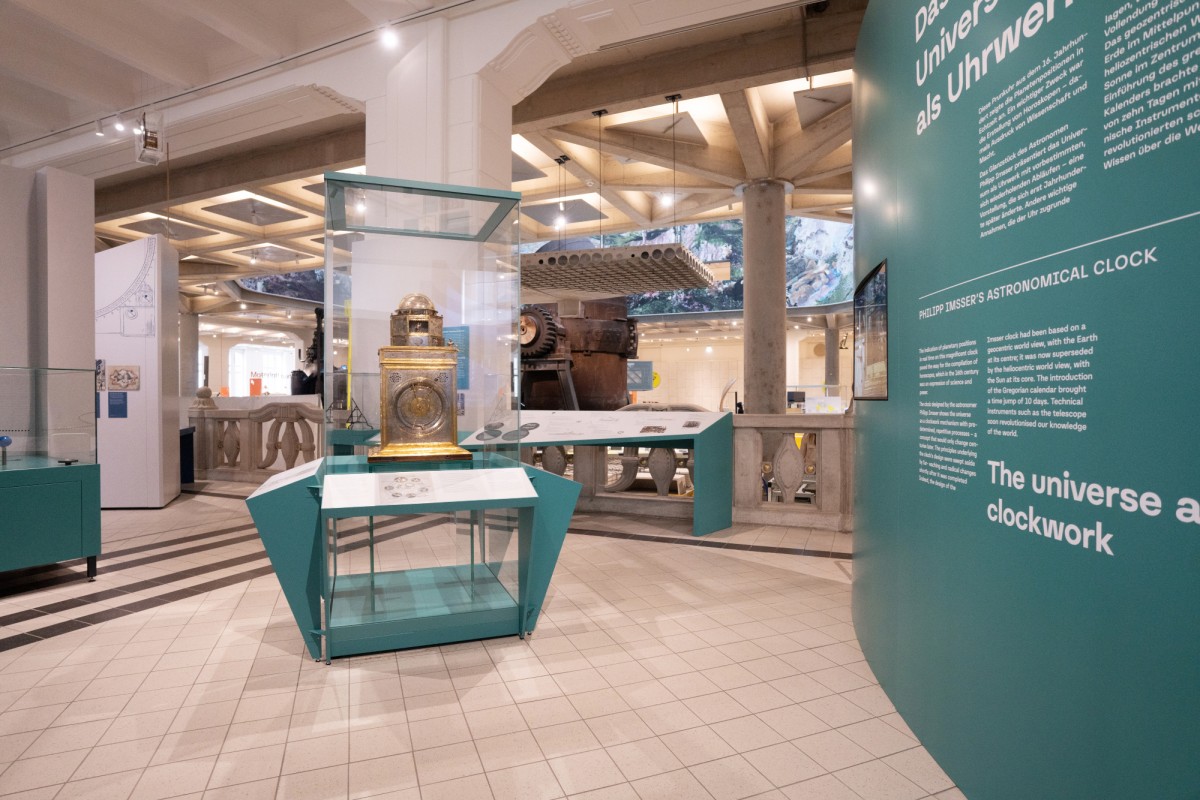
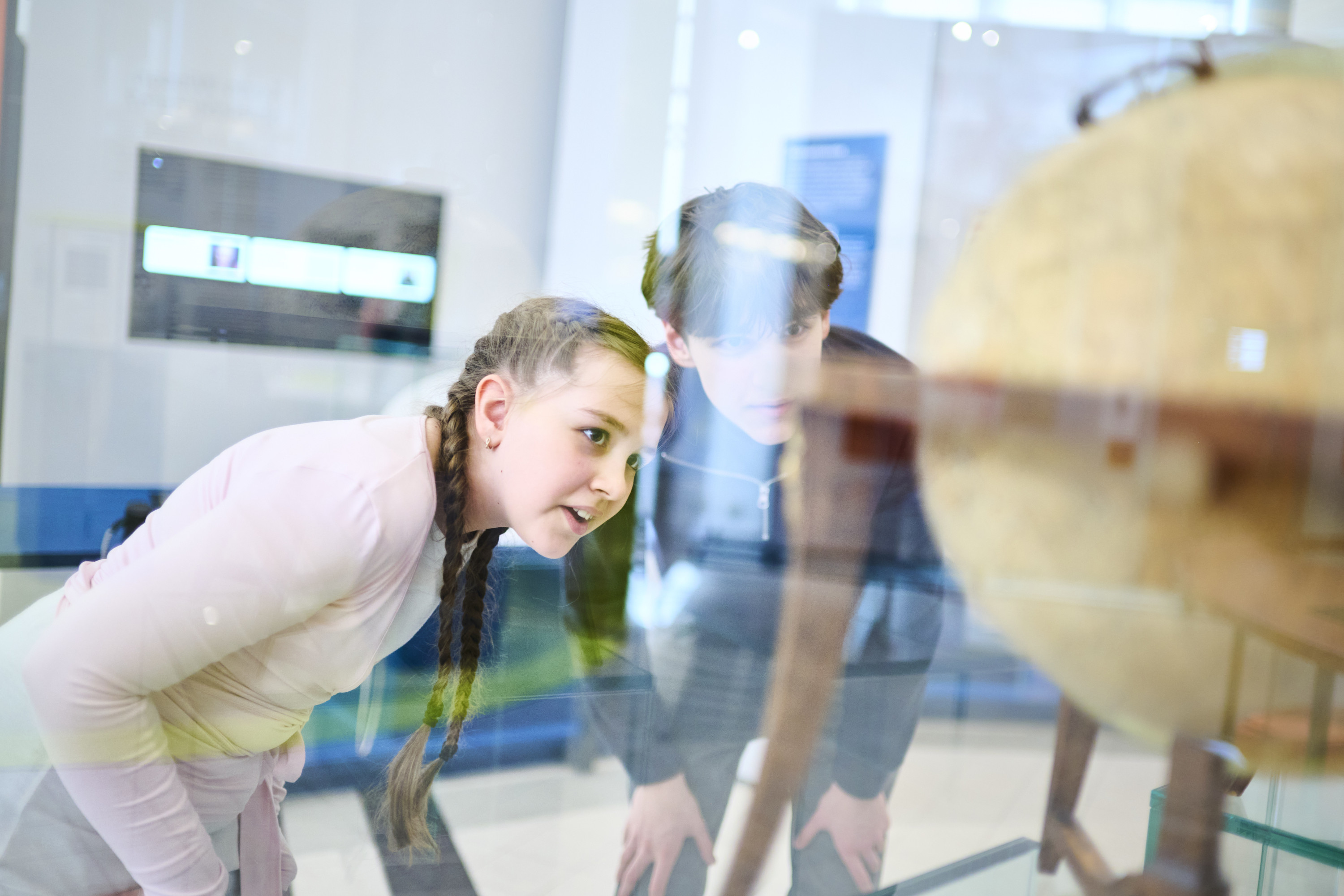
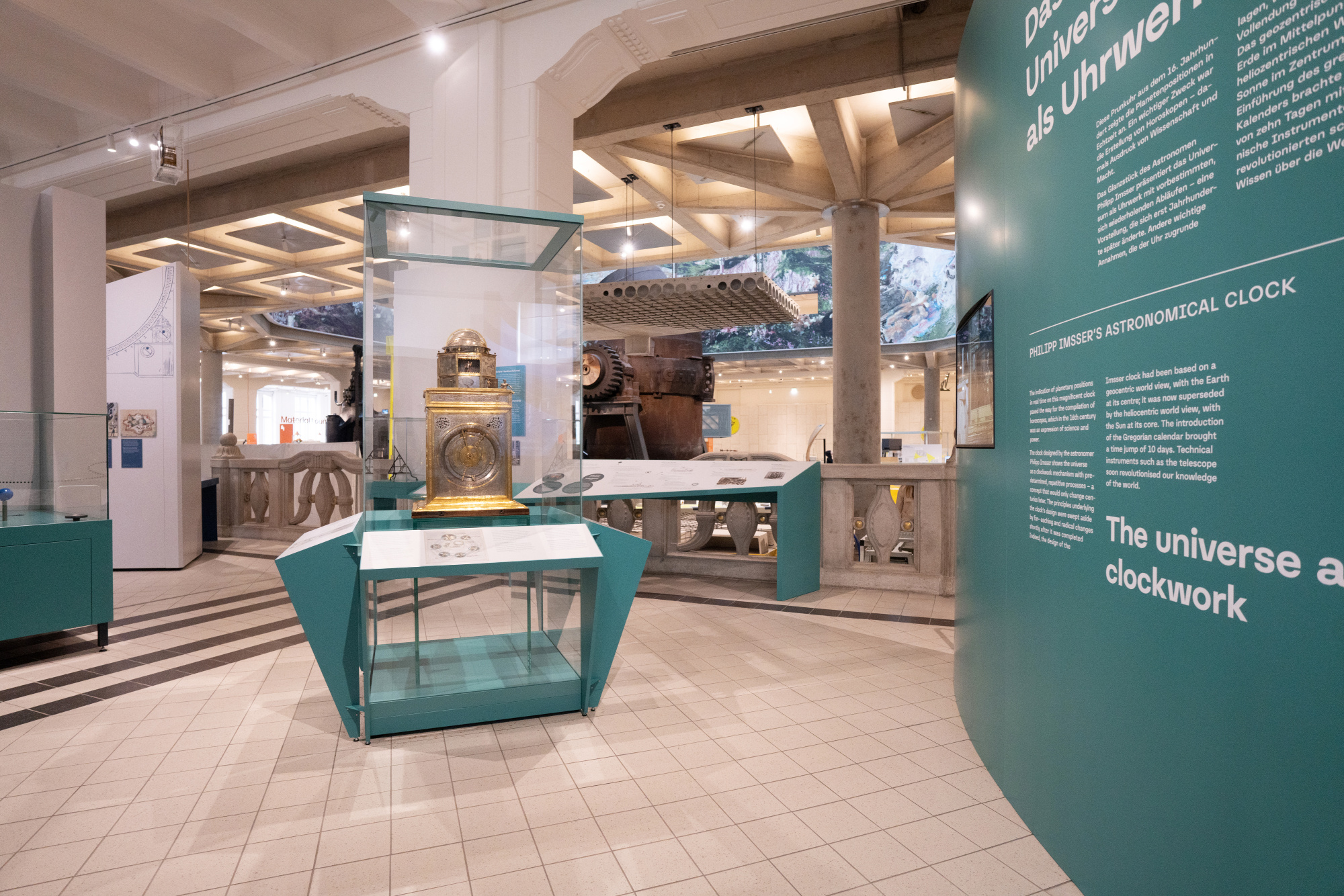
Chapter "The Universe as a Clockwork"
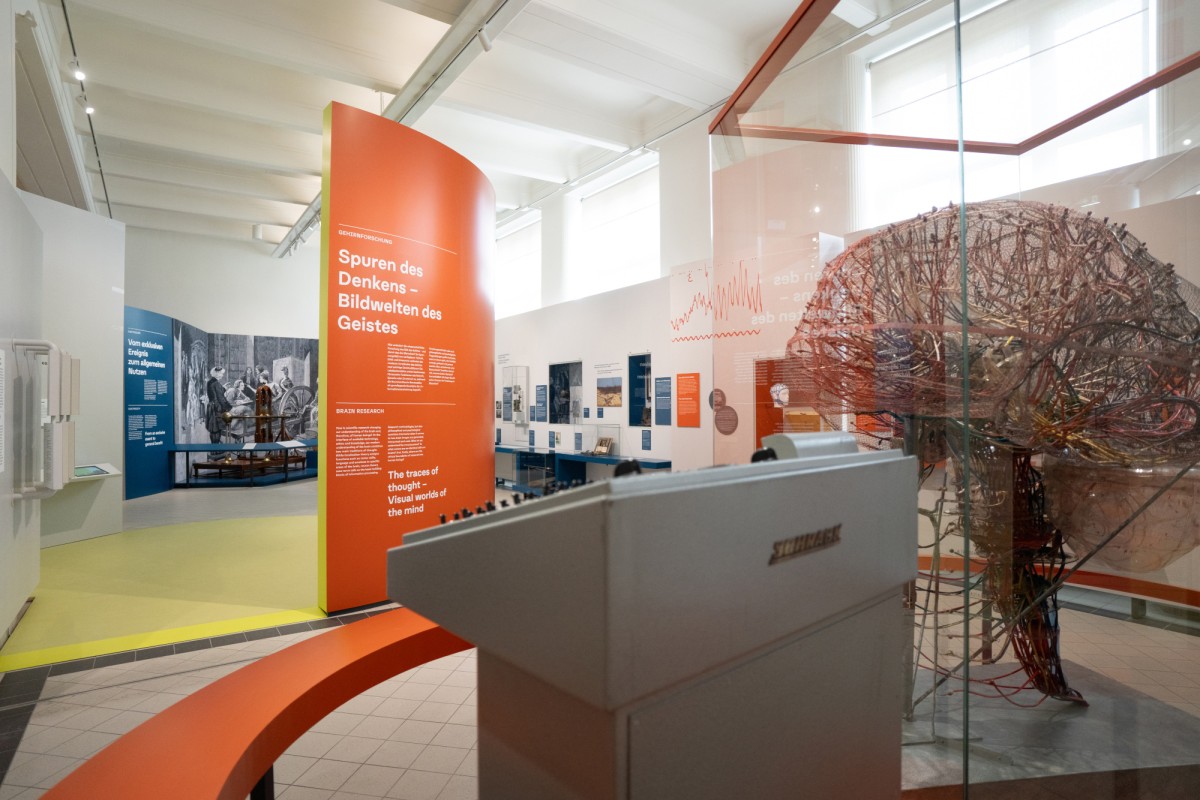
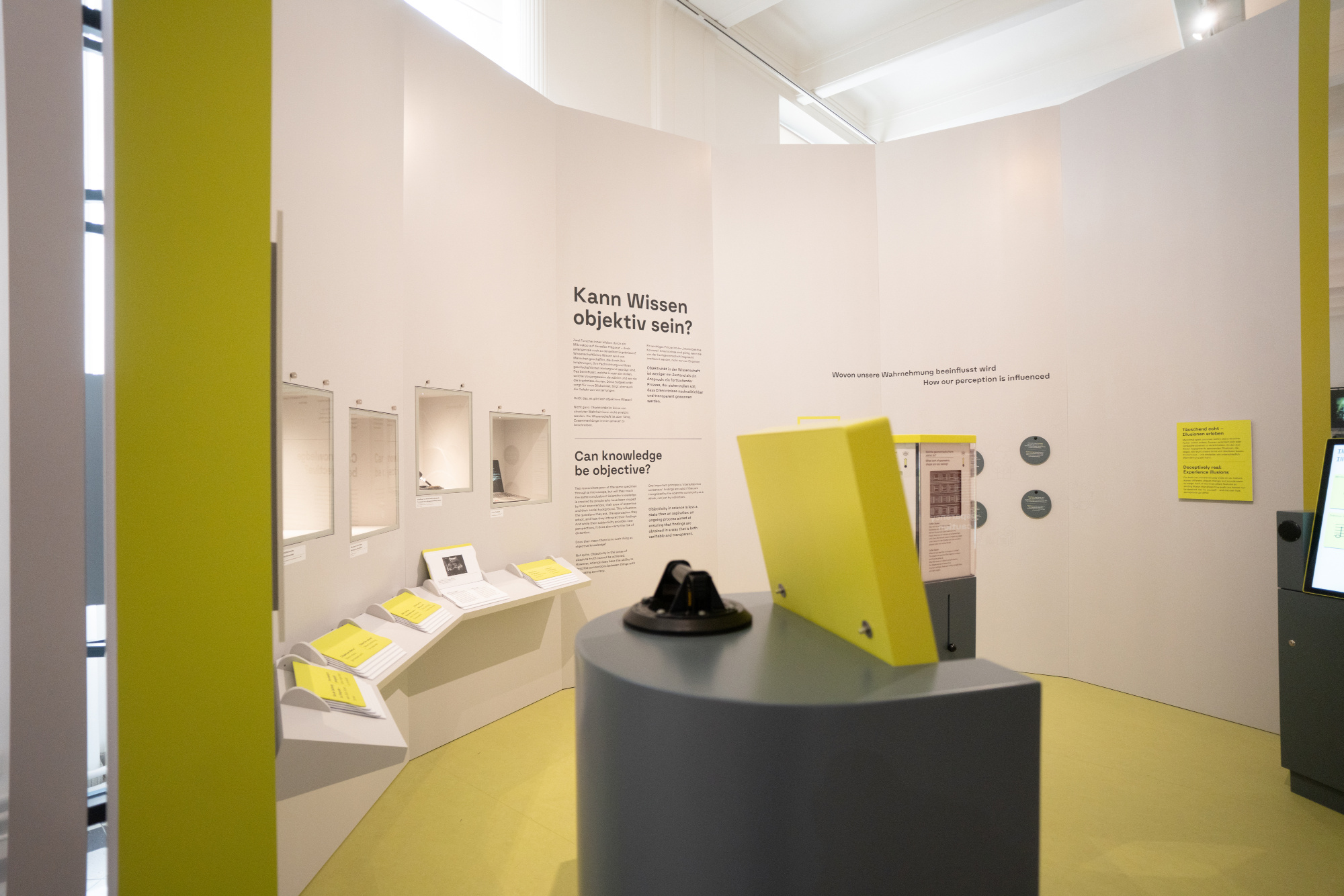
Chapter "Neuroscience"
© Technisches Museum Wien/Franzi Kreis
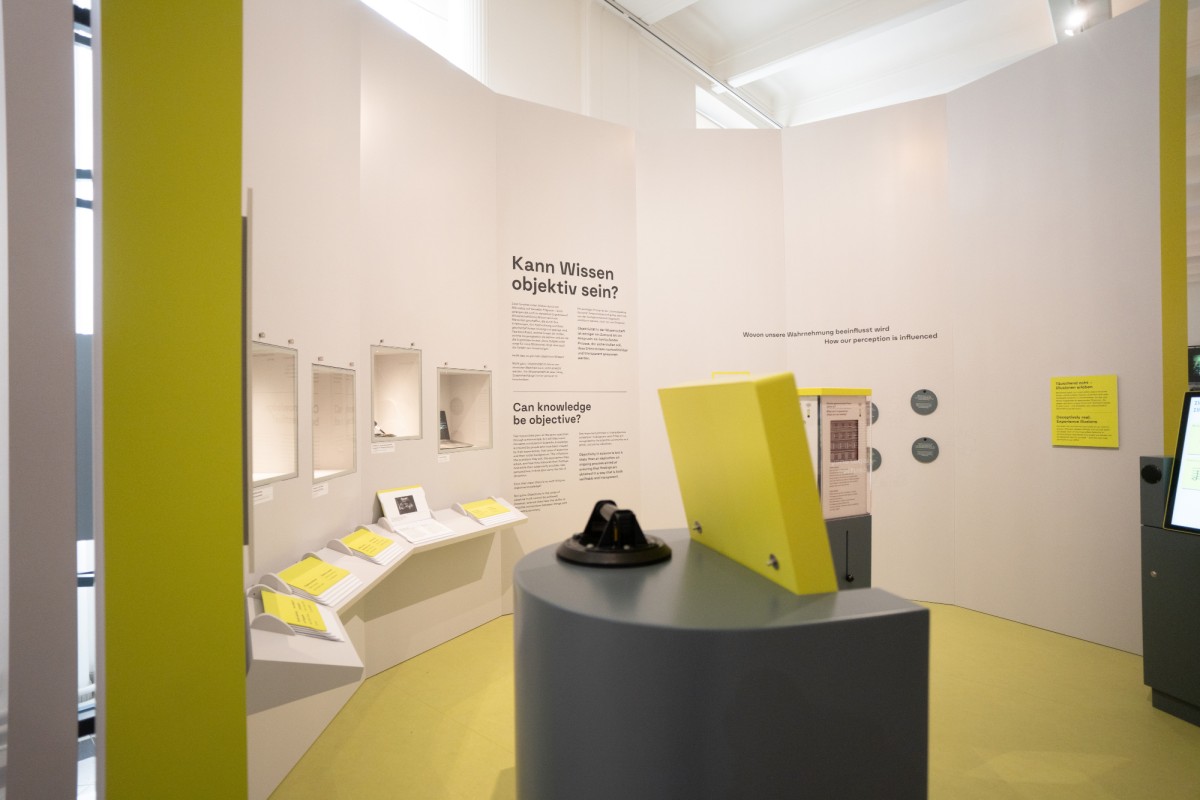
Question corner "Can knowledge be objective?"
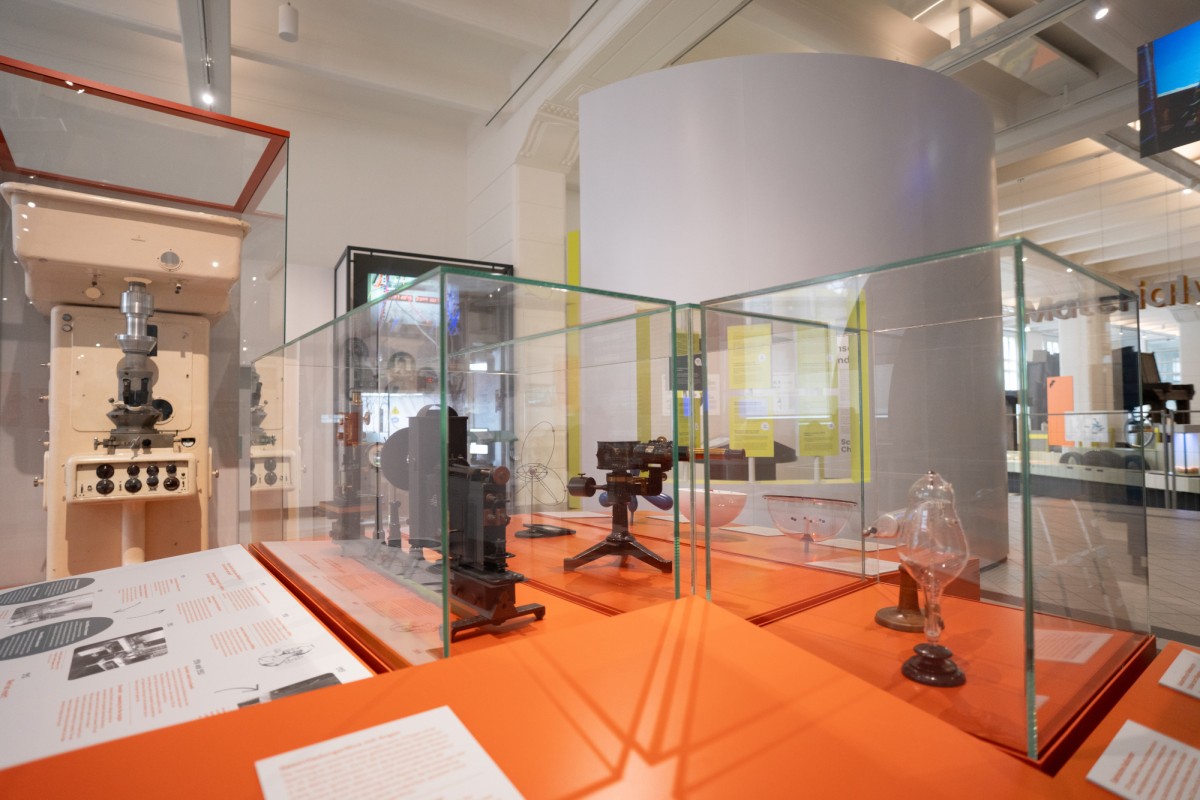
Chapter "Elementary Particles"
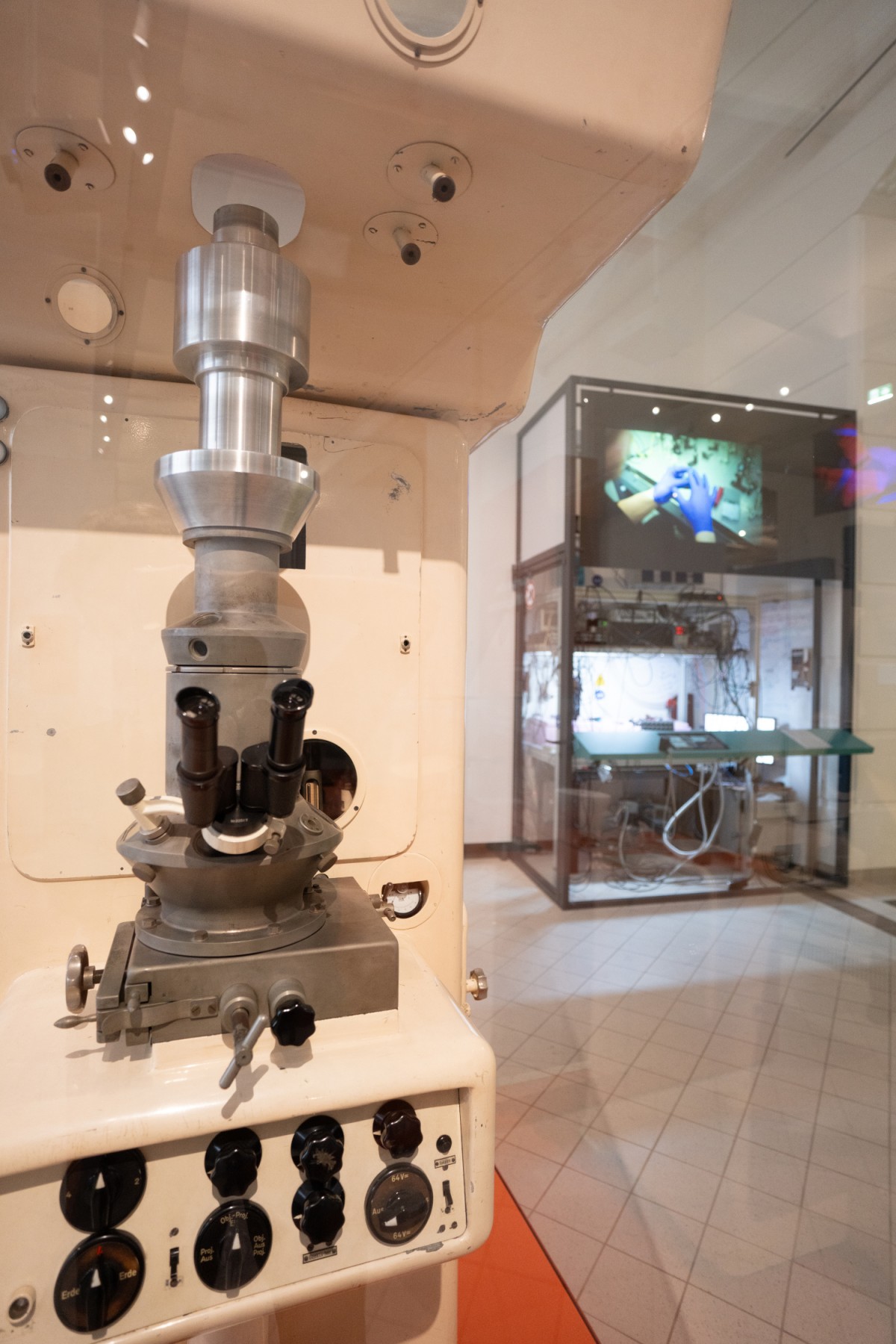
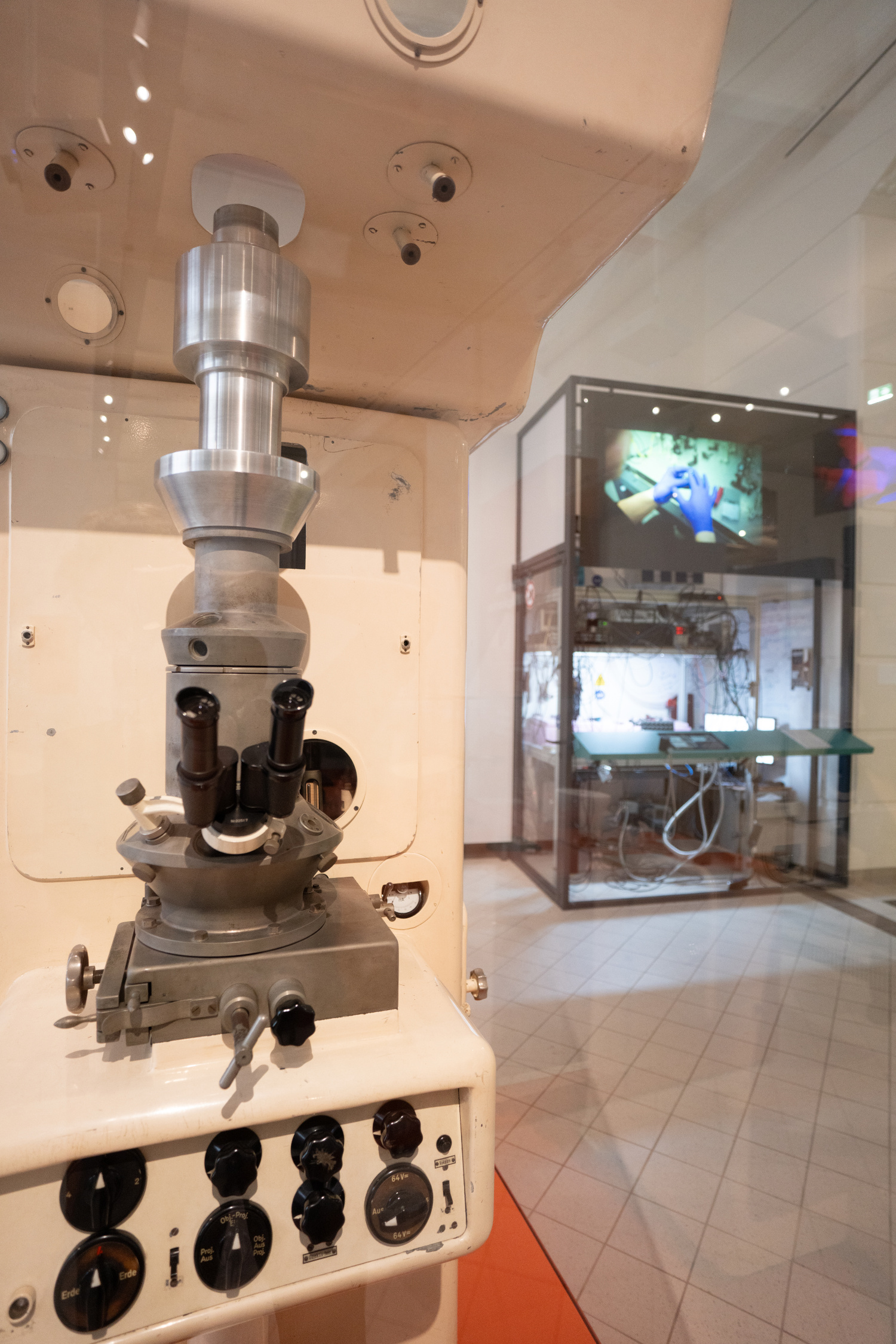
Electron microscope and quantum optics laboratory
Detail view: Quantum optics laboratory
© Technisches Museum Wien
Astronomical showpiece clock by Philipp Imsser (1561) – a historical masterpiece of mechanical engineering and the geocentric view of the world
© Technisches Museum Wien
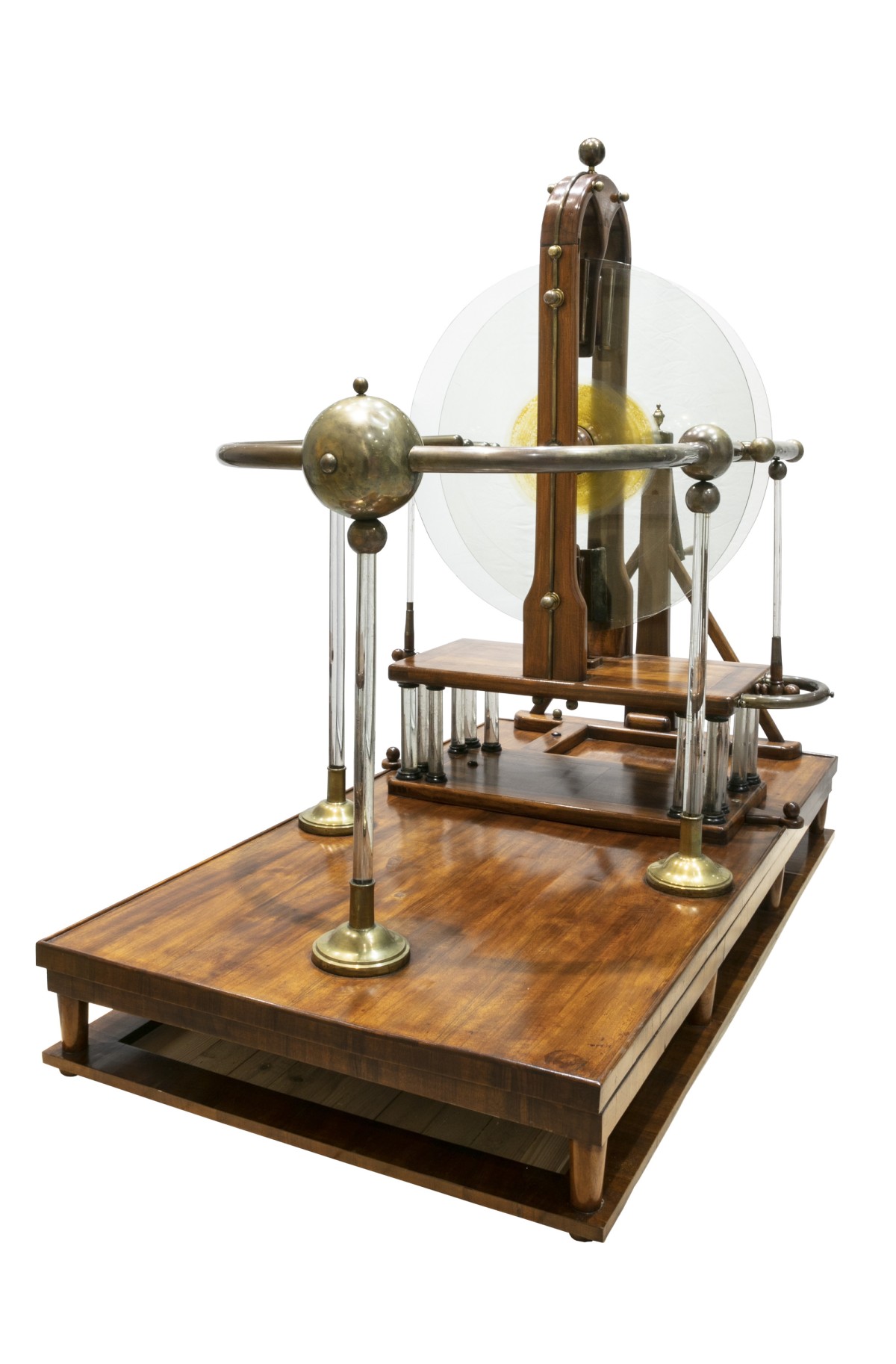
An 18th-century electrostatic machine used to conduct exclusive experiments with electric sparks
© Technisches Museum Wien
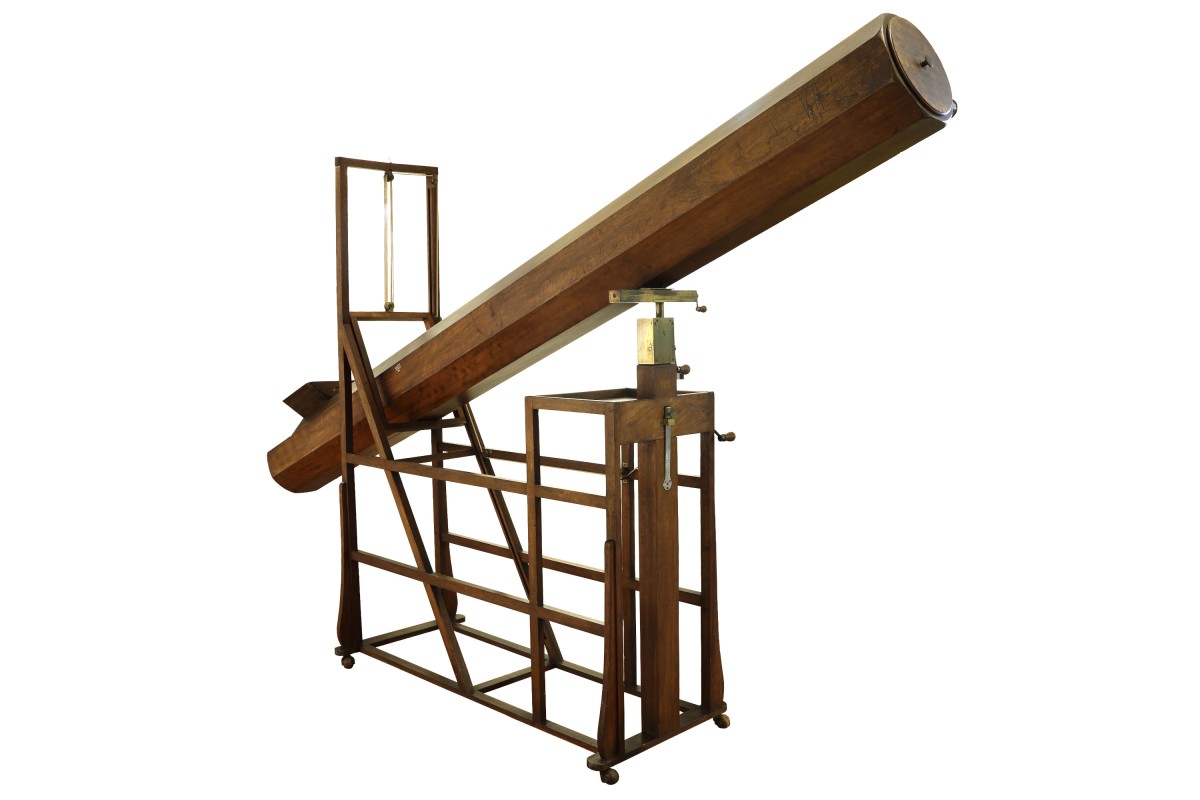
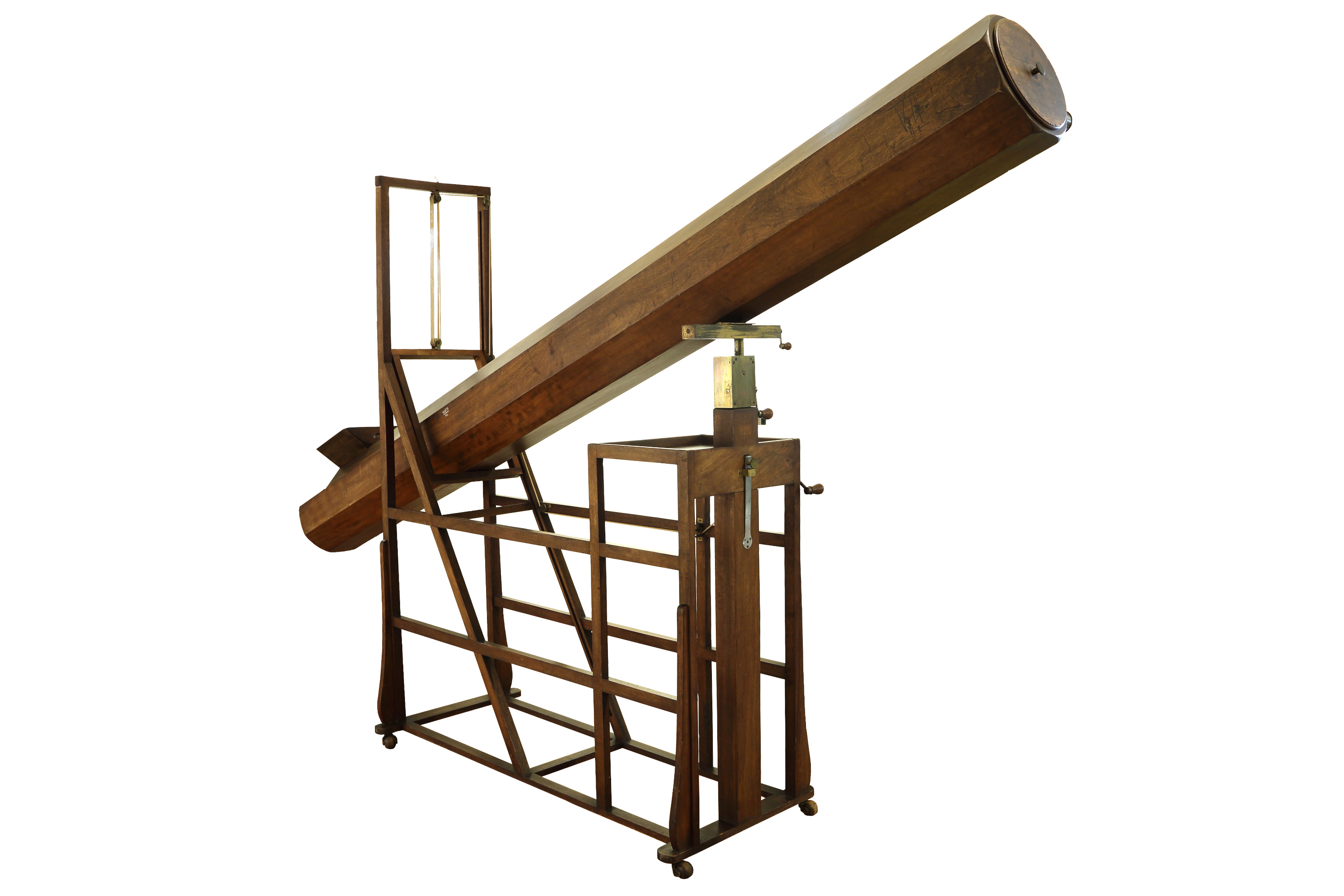
Wilhelm Herschel’s reflecting telescope from the 1790s, with which the astronomer discovered Uranus – a milestone in the history of astronomy
© Technisches Museum Wien
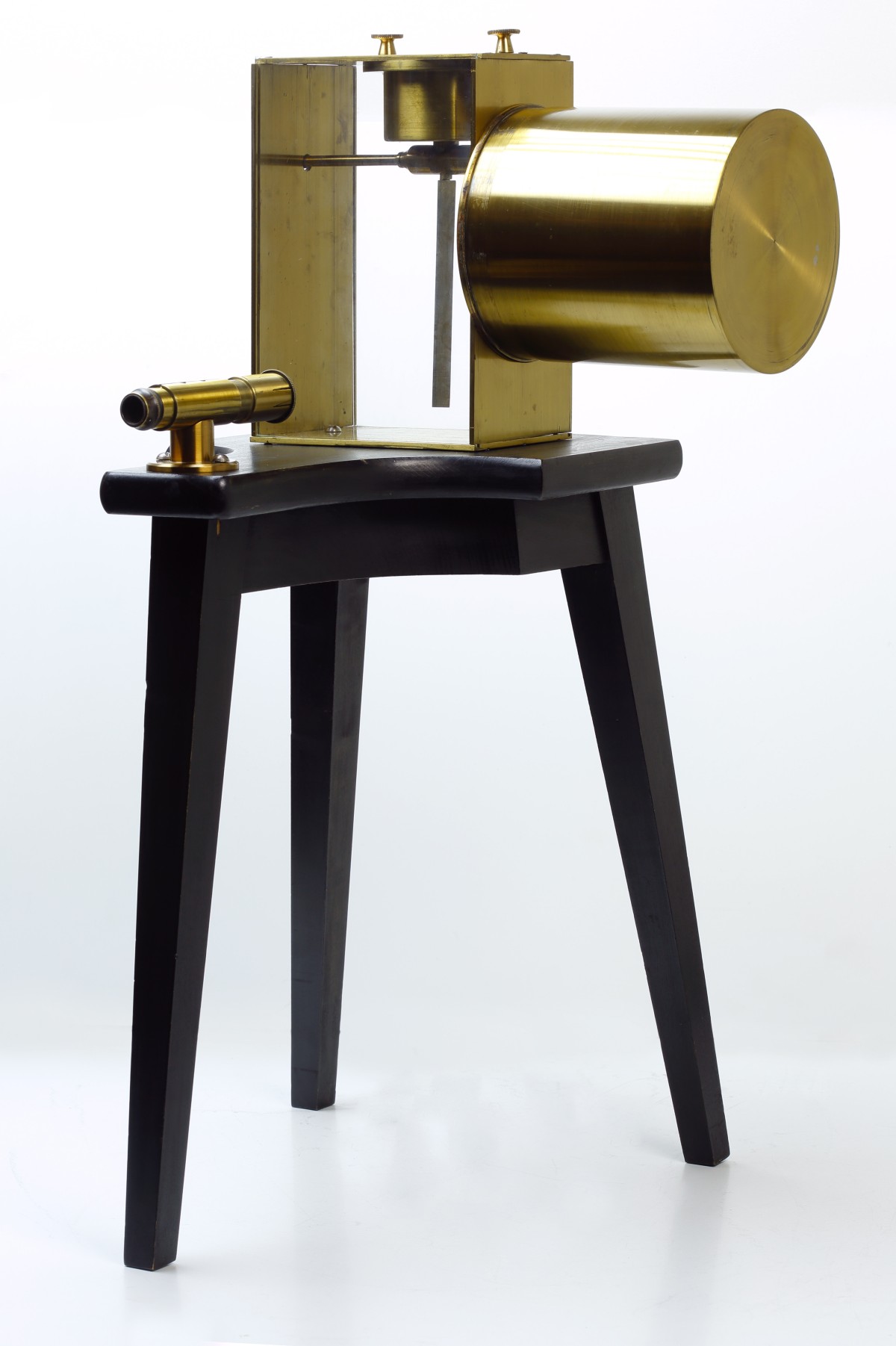
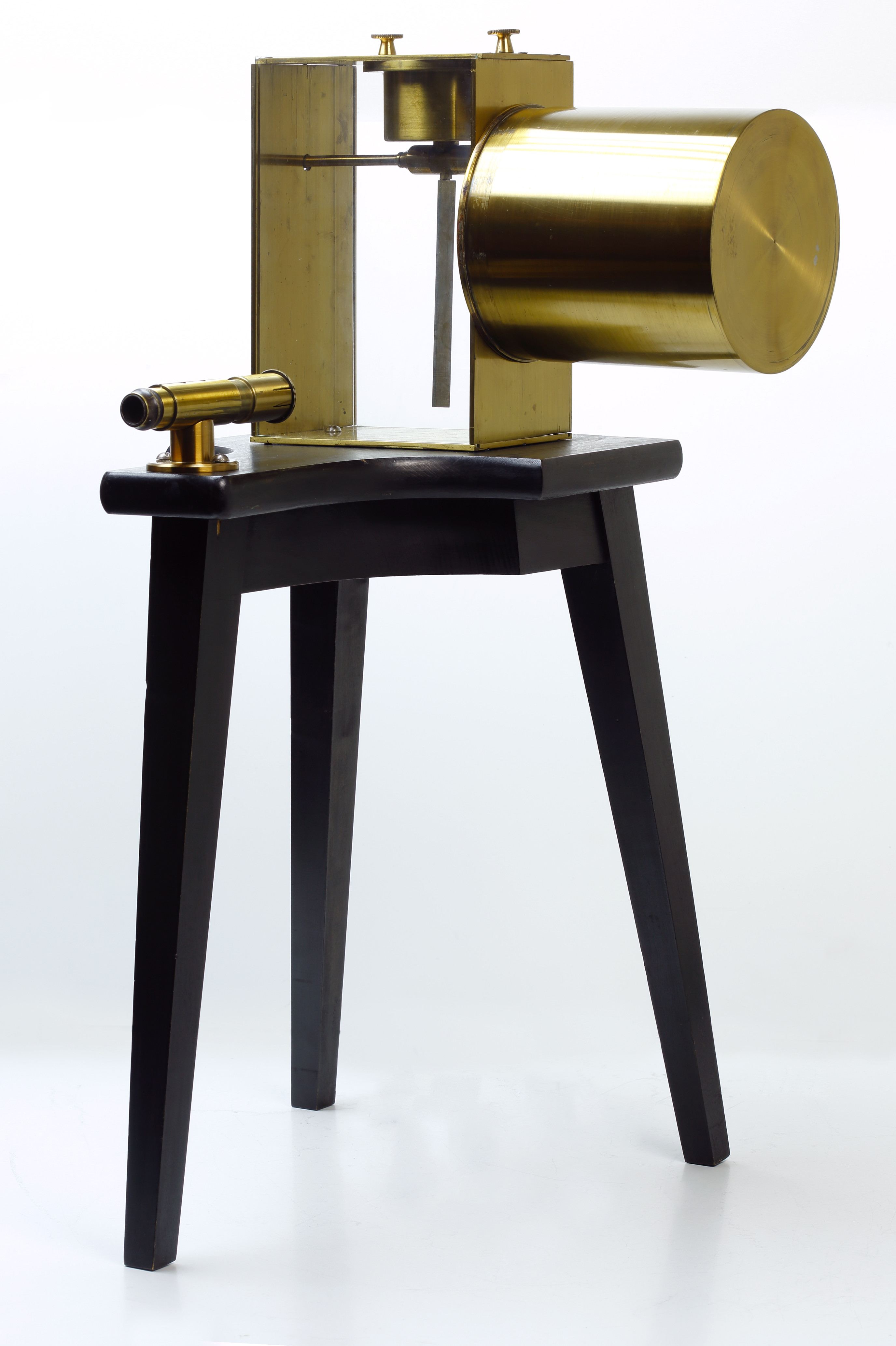
Marie Curie’s electroscope for measuring radioactive radiation – a key instrument in early research into radioactivity
© Technisches Museum Wien
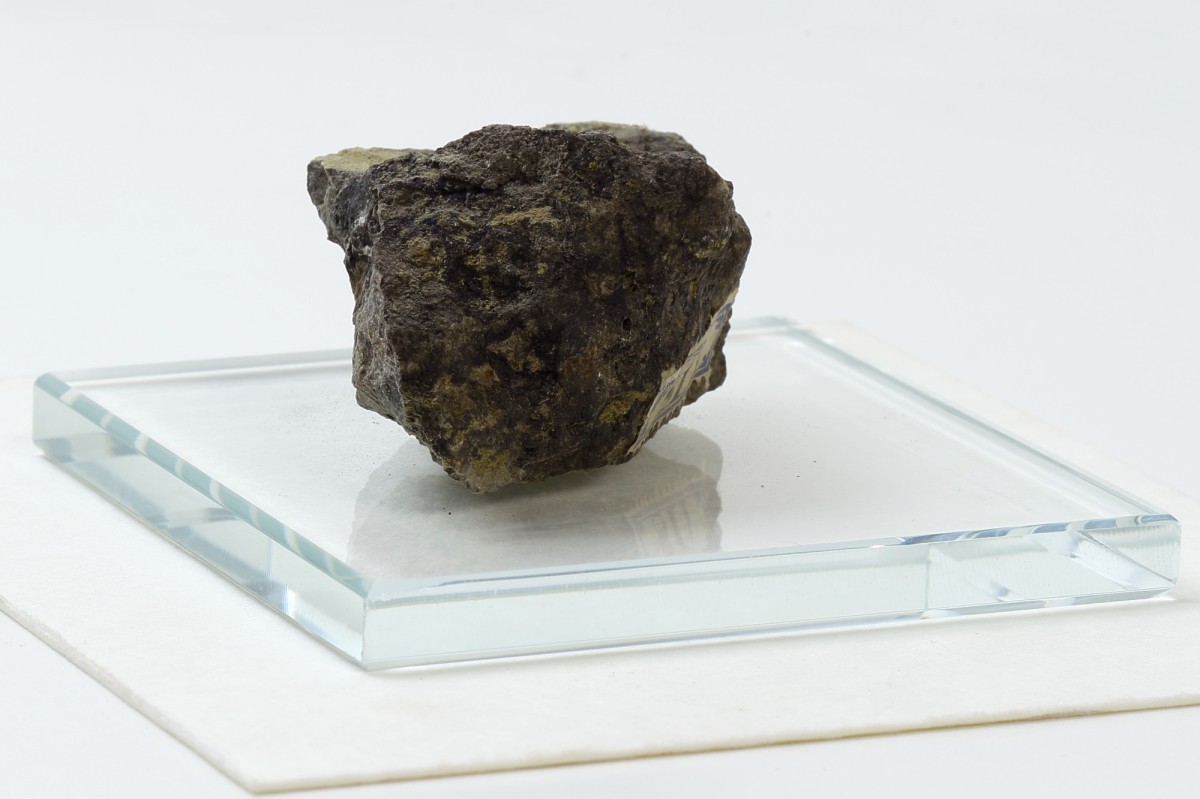
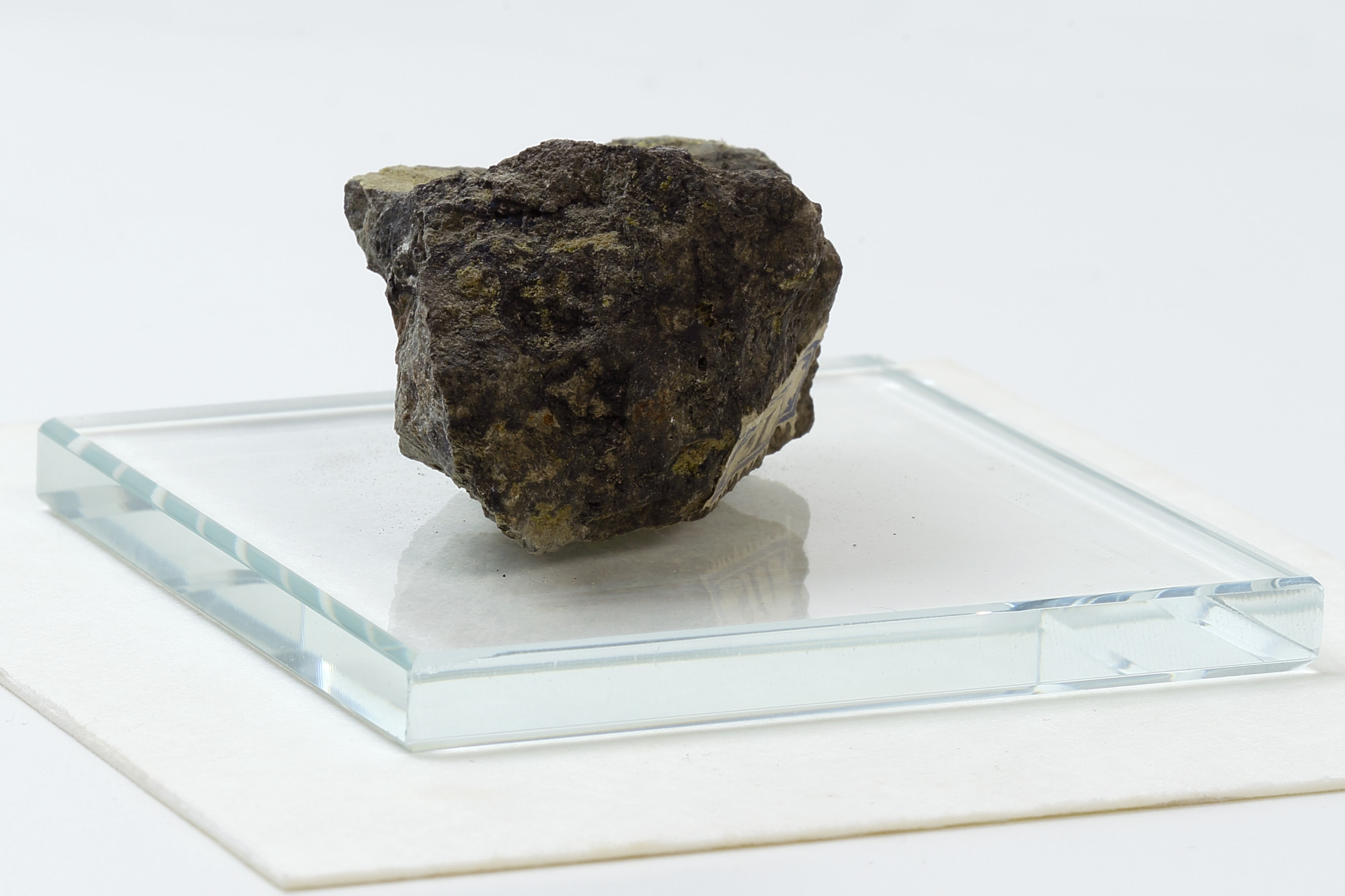
Pitchblende from Sankt Joachimsthal (Jáchymov) – the raw material that led to the discovery of the element radium
© Technisches Museum Wien
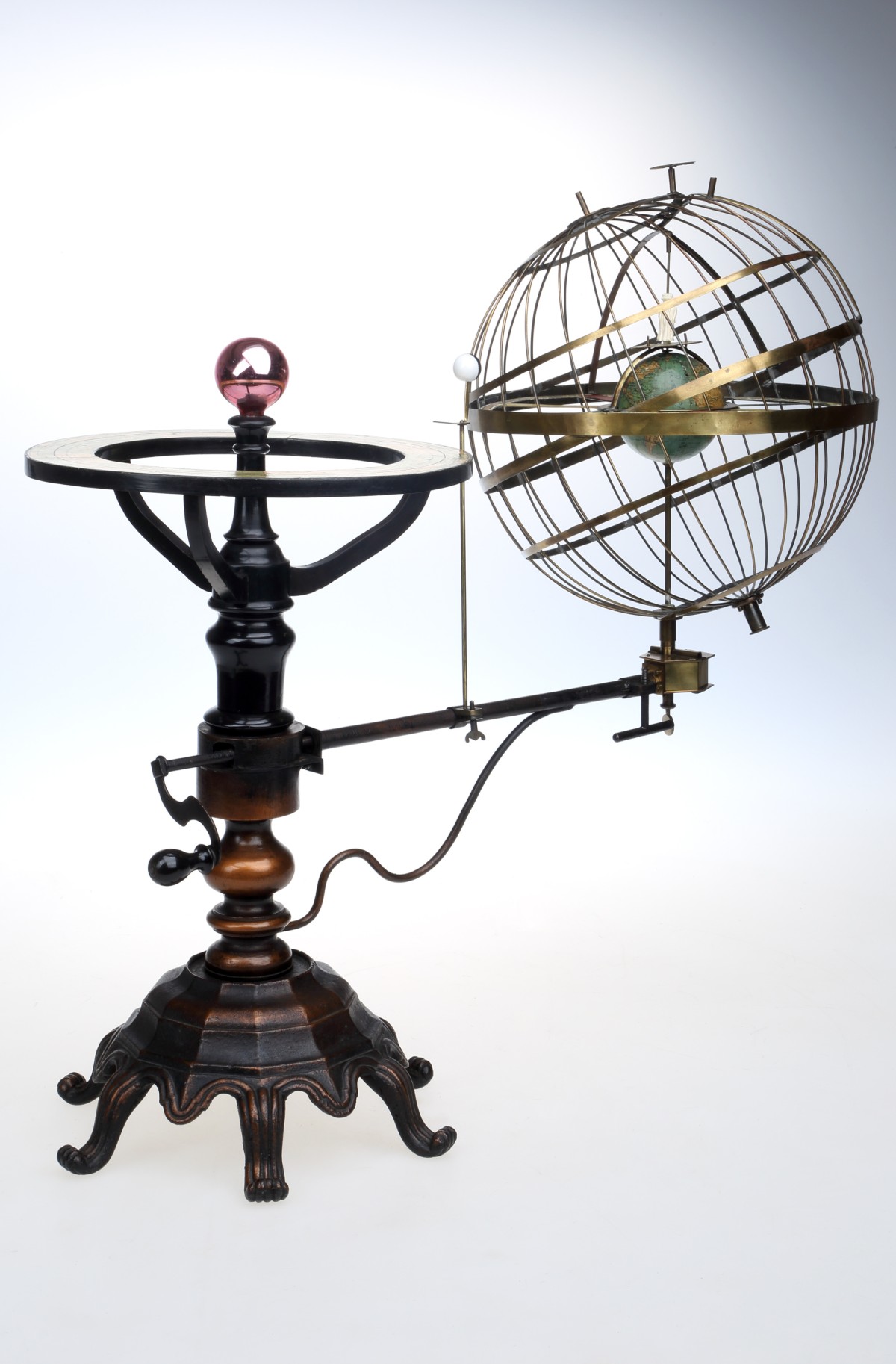
Historic tellurium depicting the Sun, Earth and Moon – a clear and informative astronomical teaching model
Quelle: Technisches Museum Wien/Archiv
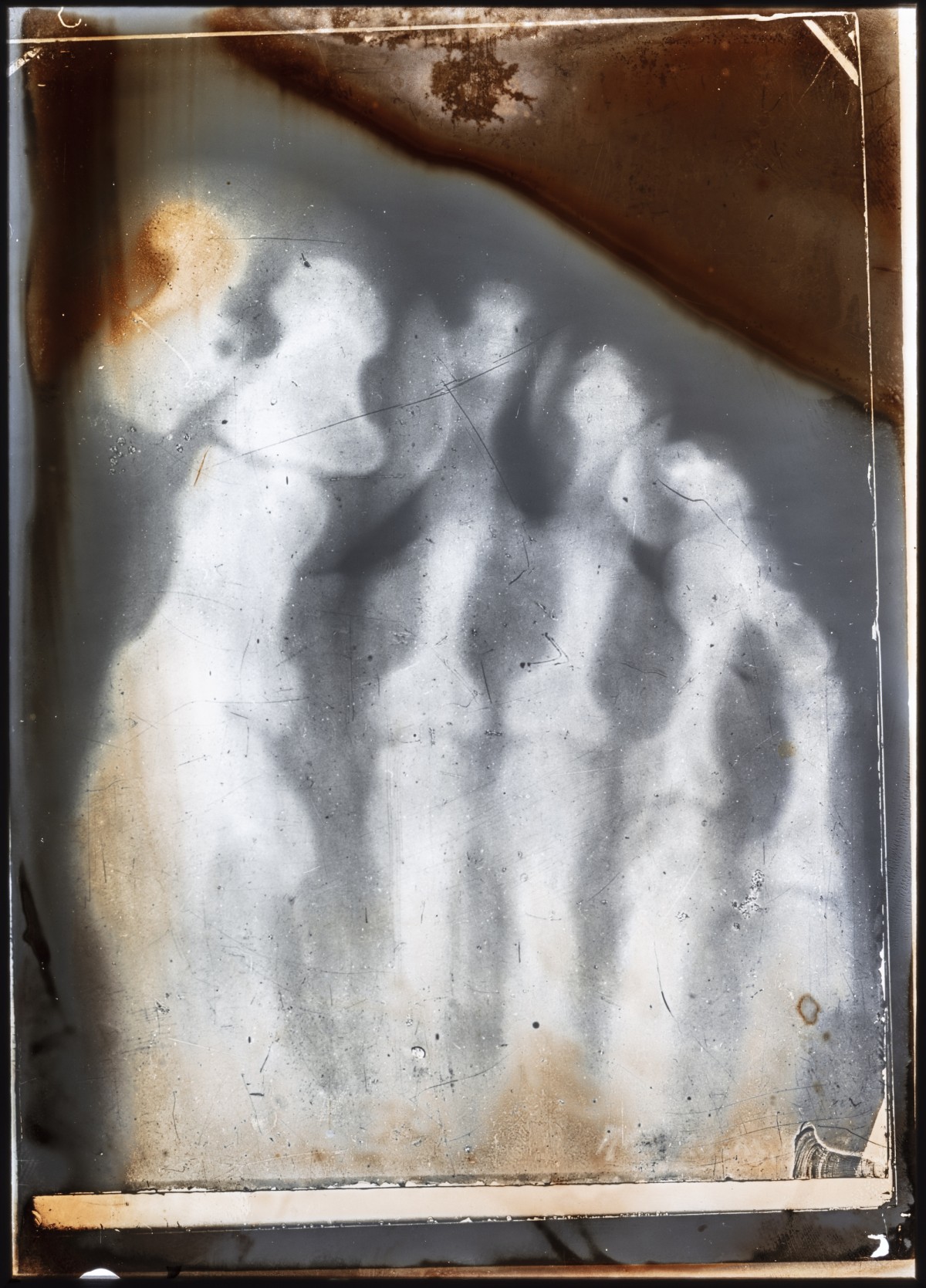
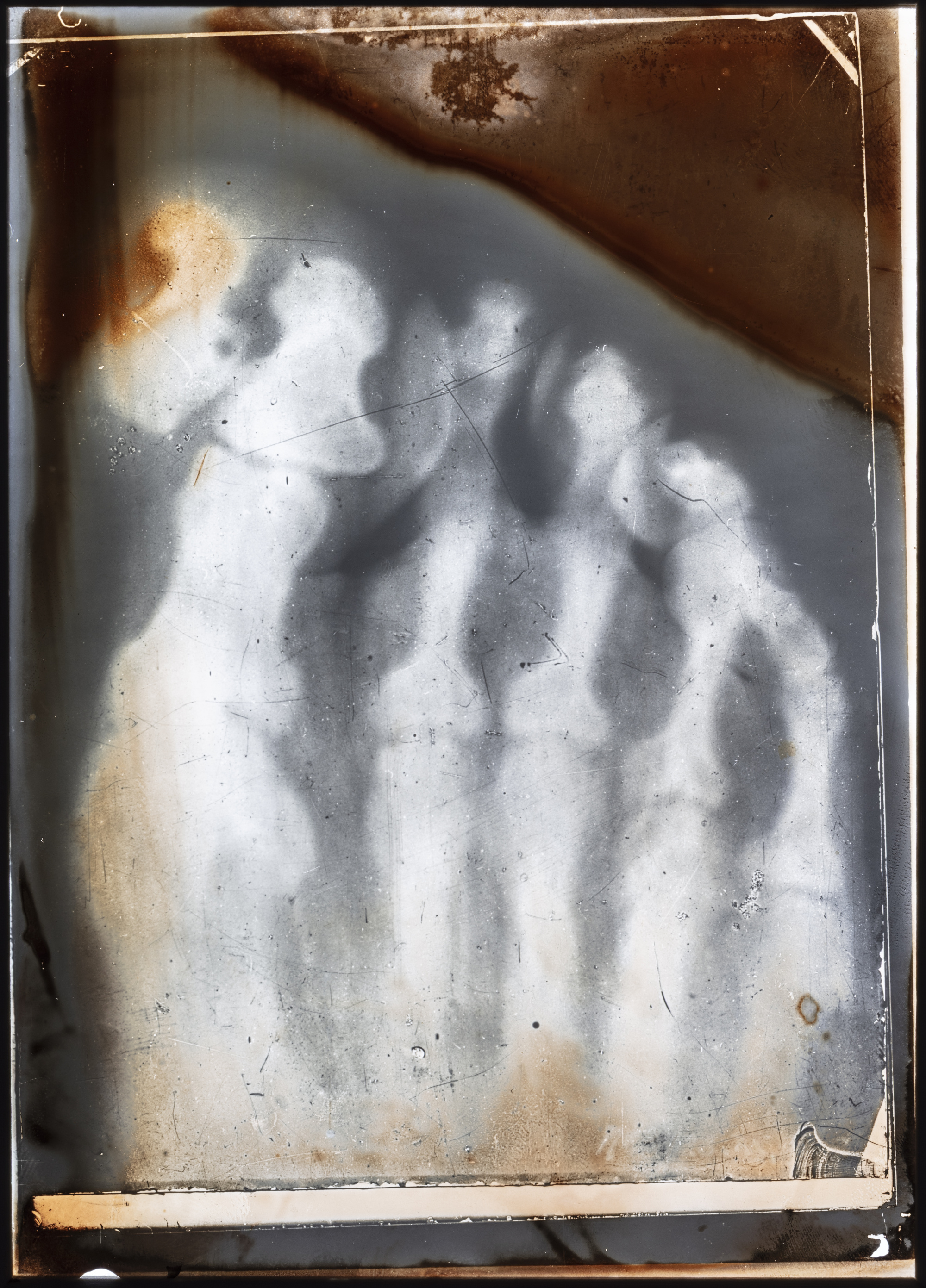
Early medical X-ray image (1895) from Vienna, taken shortly after the discovery of X-rays – the dawn of diagnostic radiology
© Technisches Museum Wien
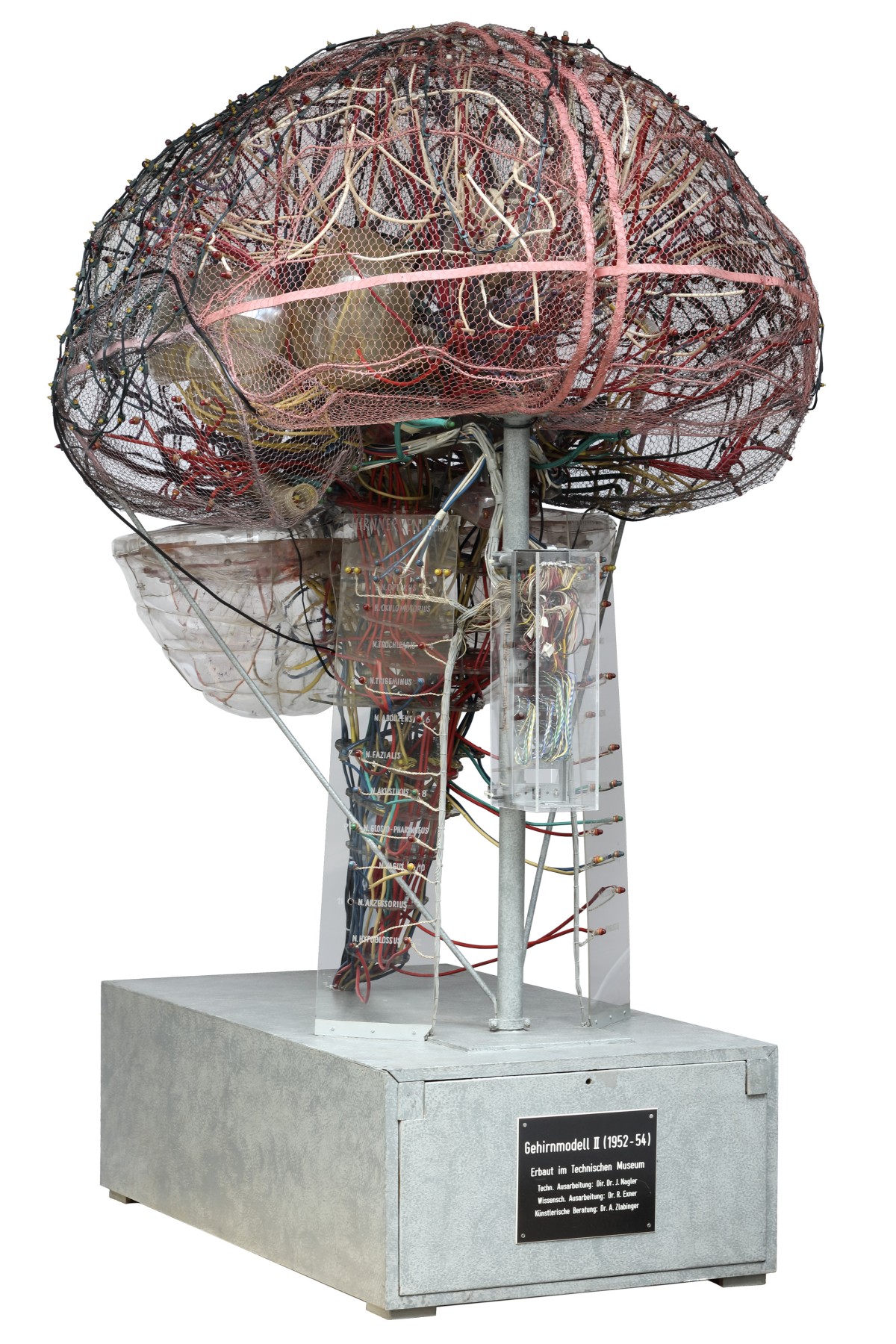
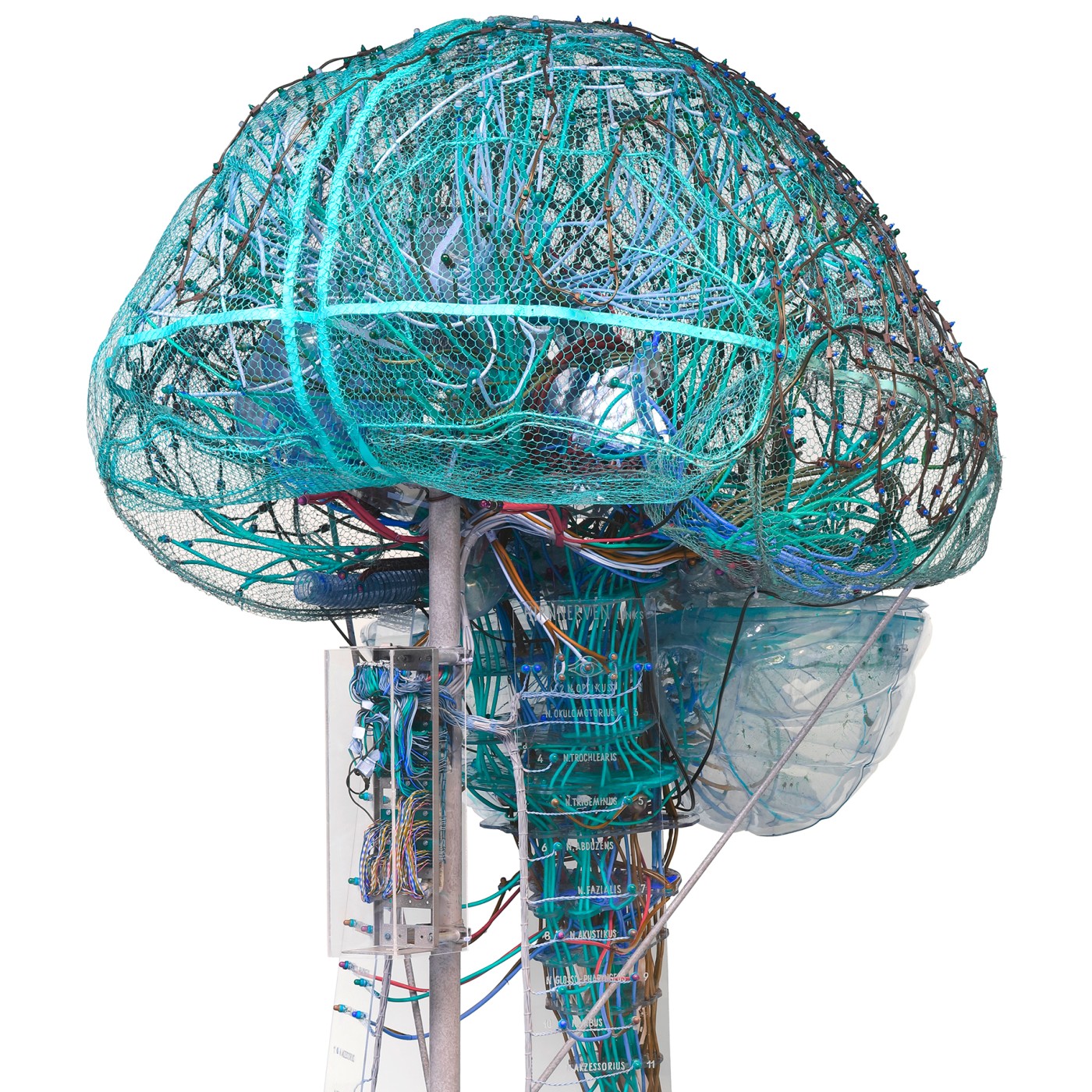
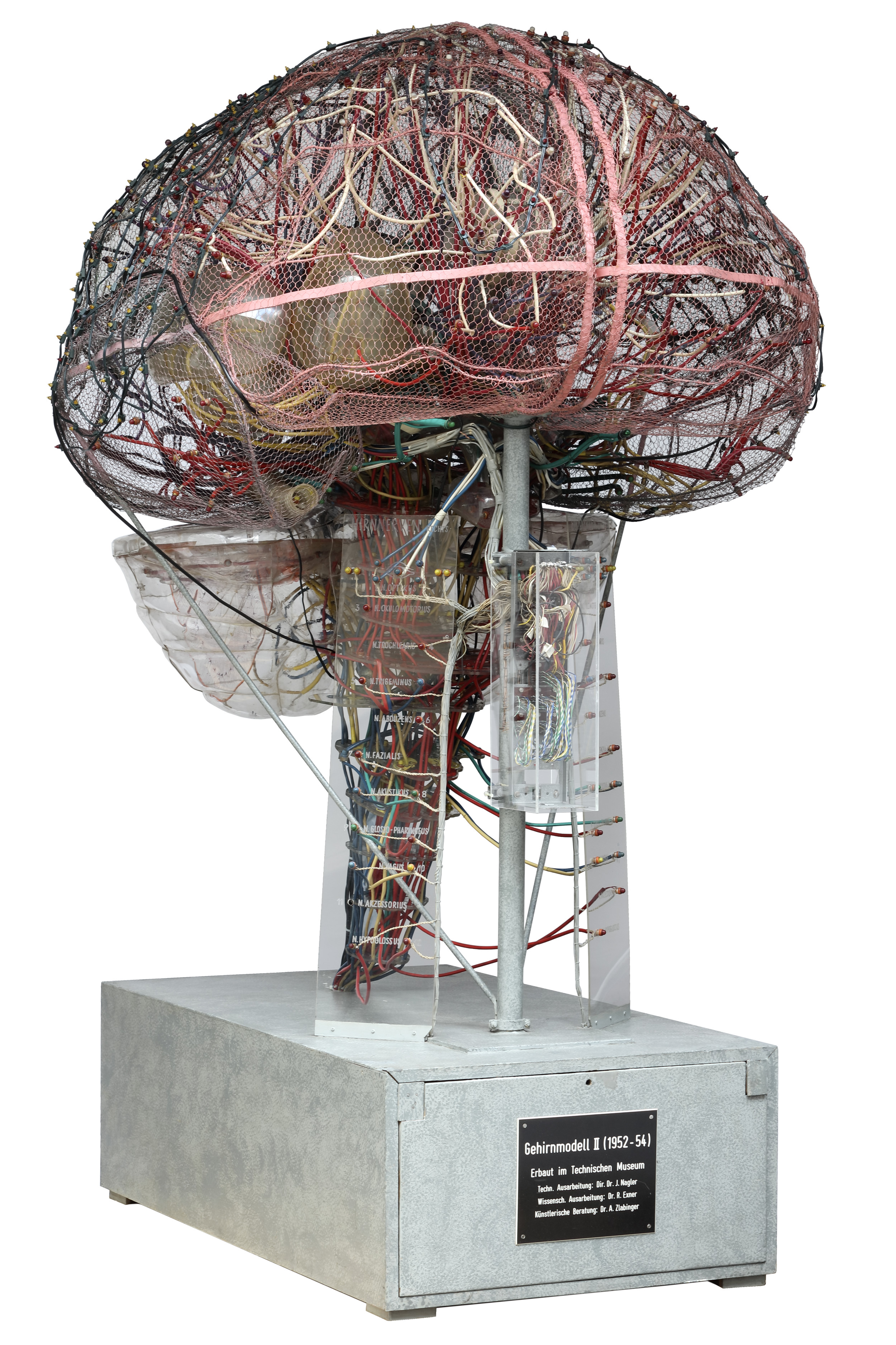
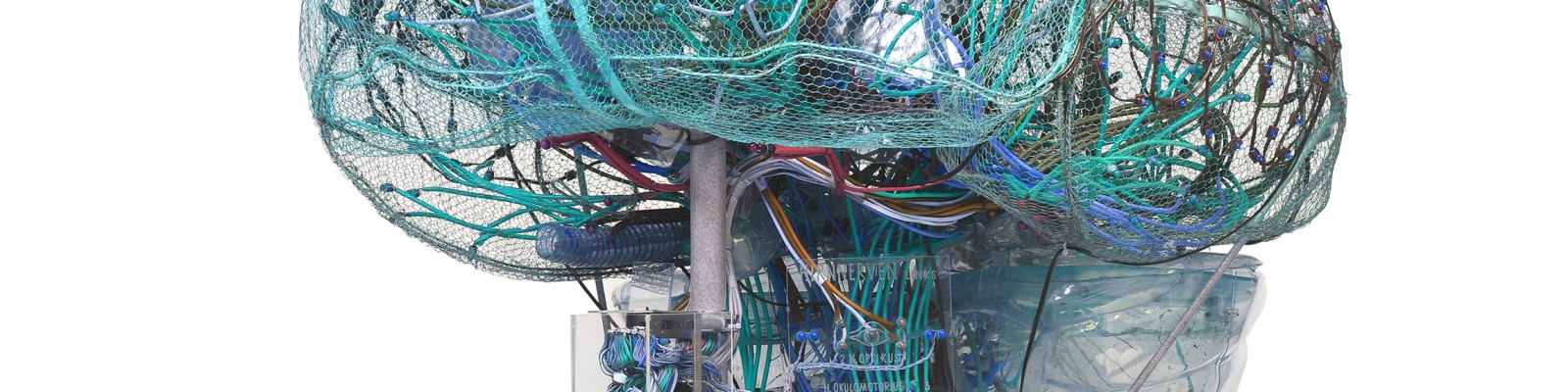
Large transparent model of the brain from the 1950s with light signals – visualising neurological research and brain functions
© Technisches Museum Wien
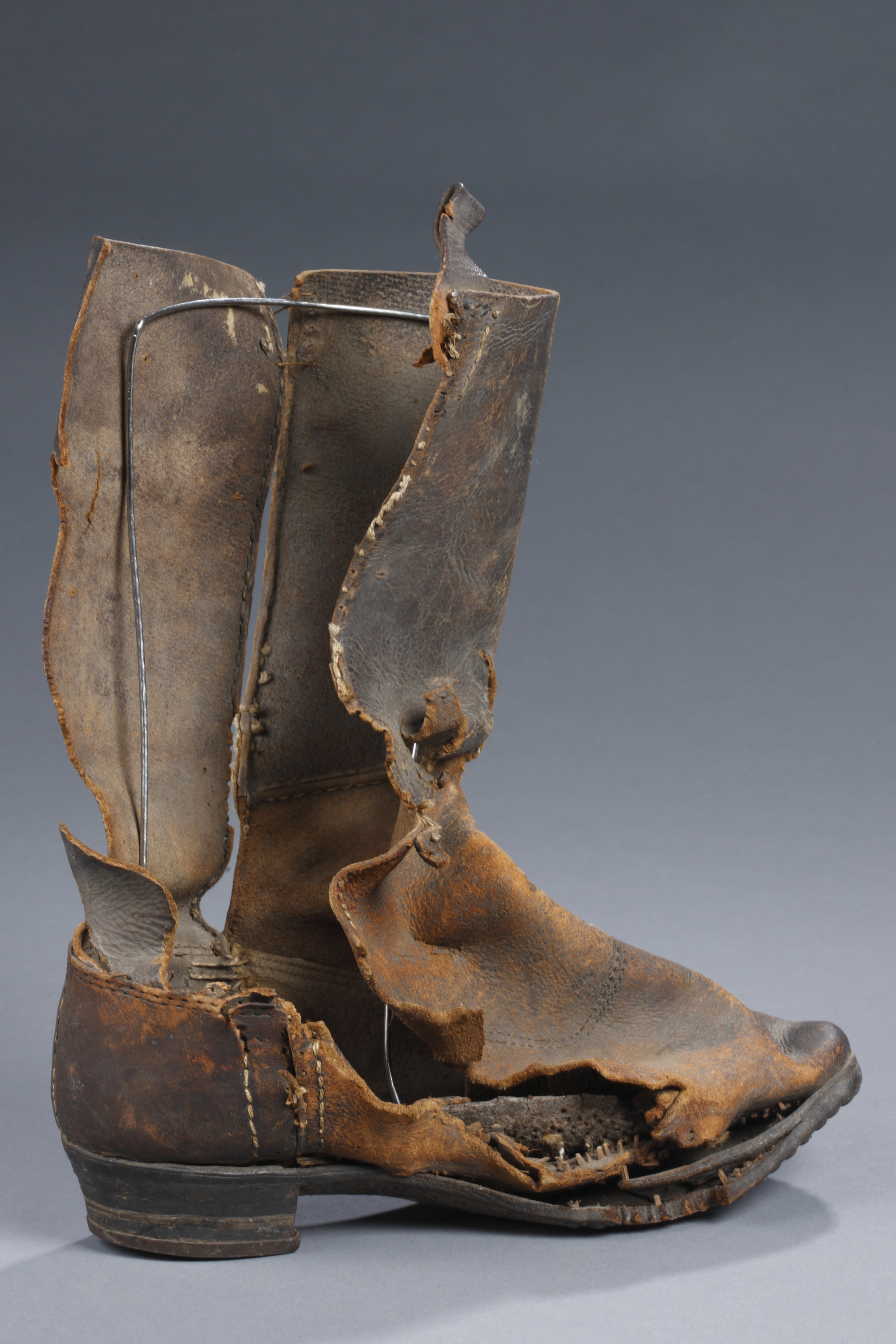
Boot torn to shreds by a lightning strike
© Technisches Museum Wien
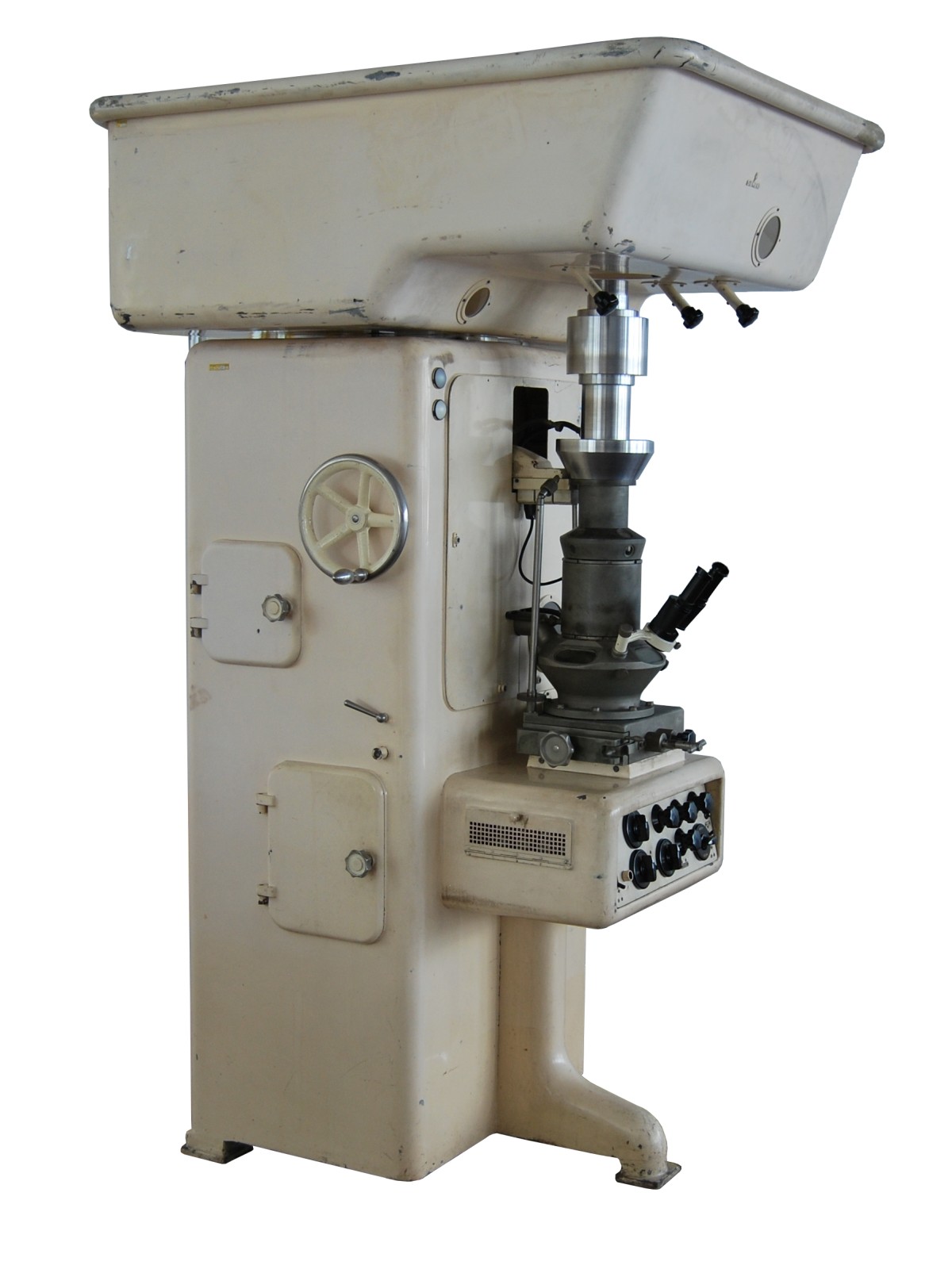
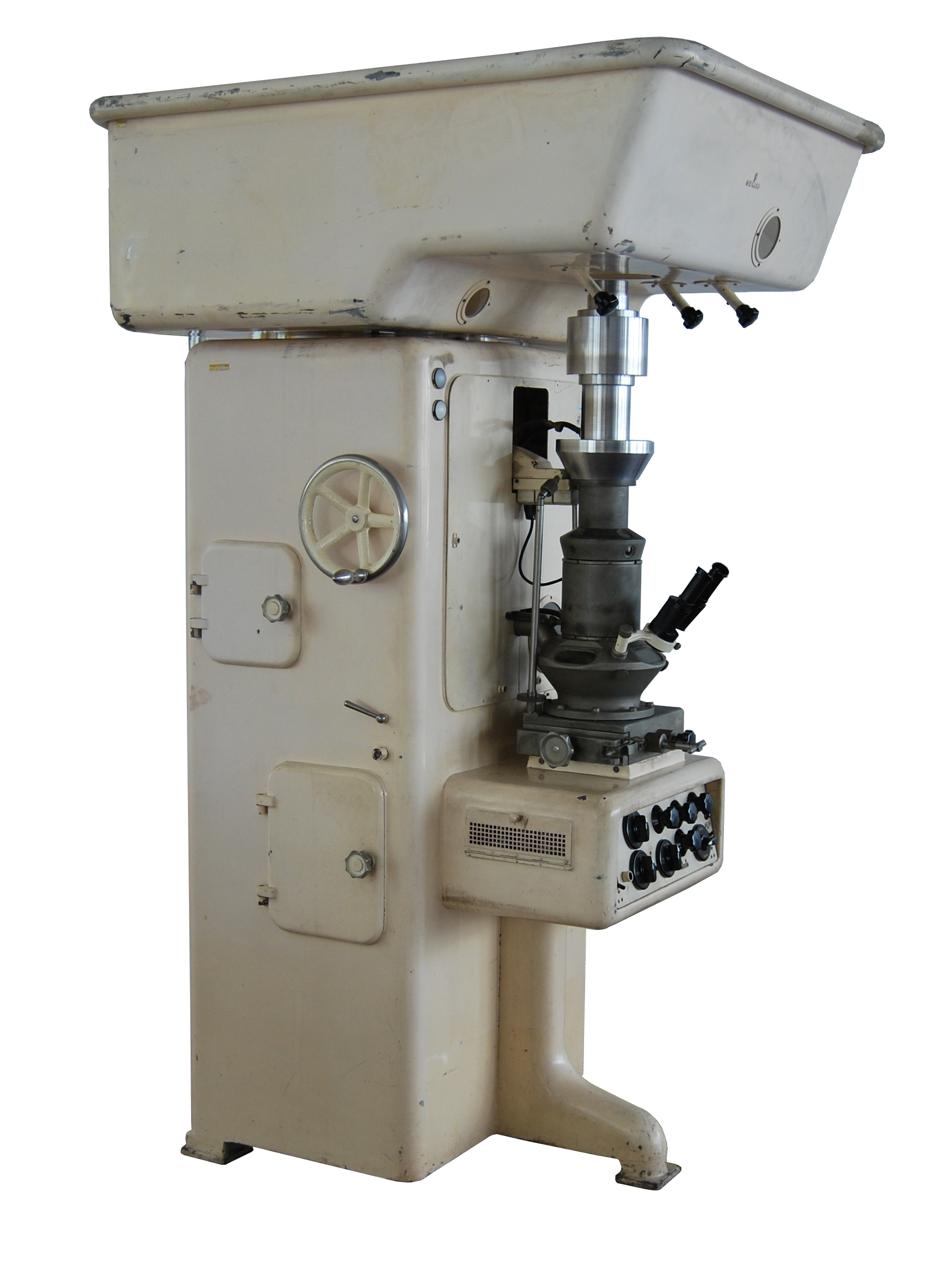
First industrial electron microscope by Siemens – a groundbreaking research instrument for materials science and chemistry
© Technisches Museum Wien
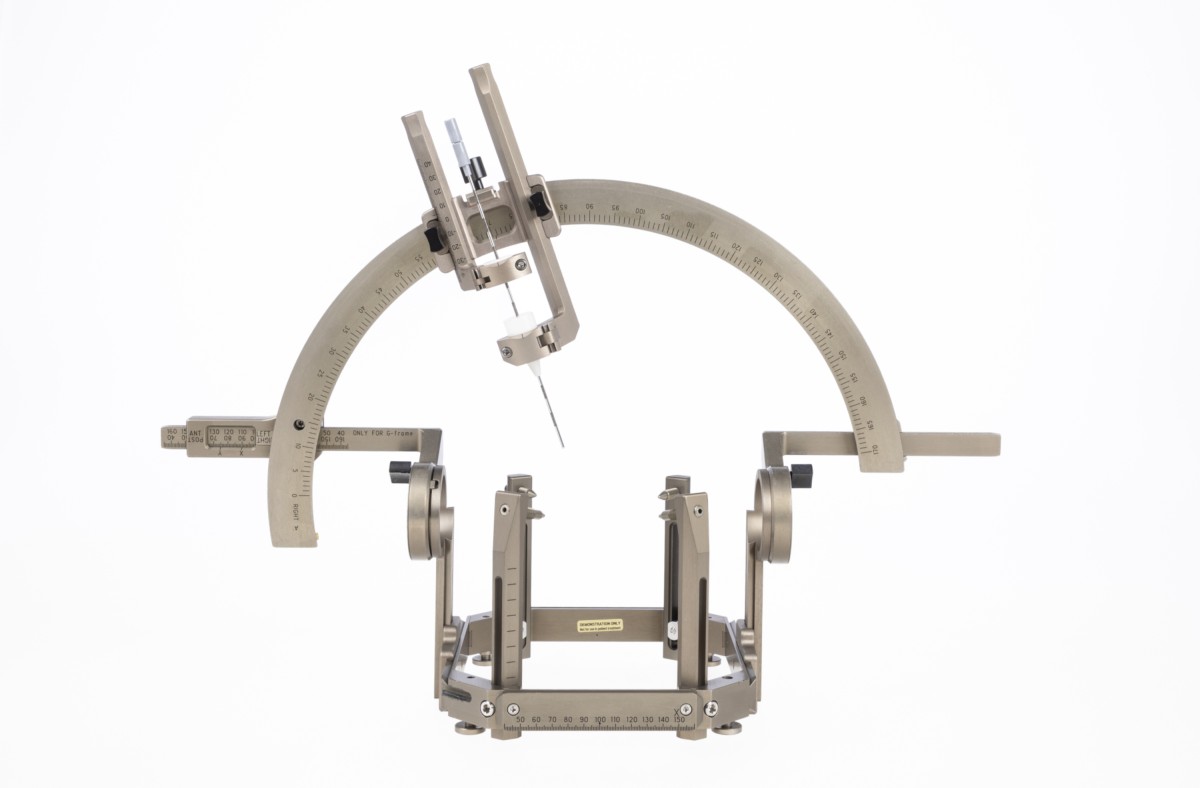
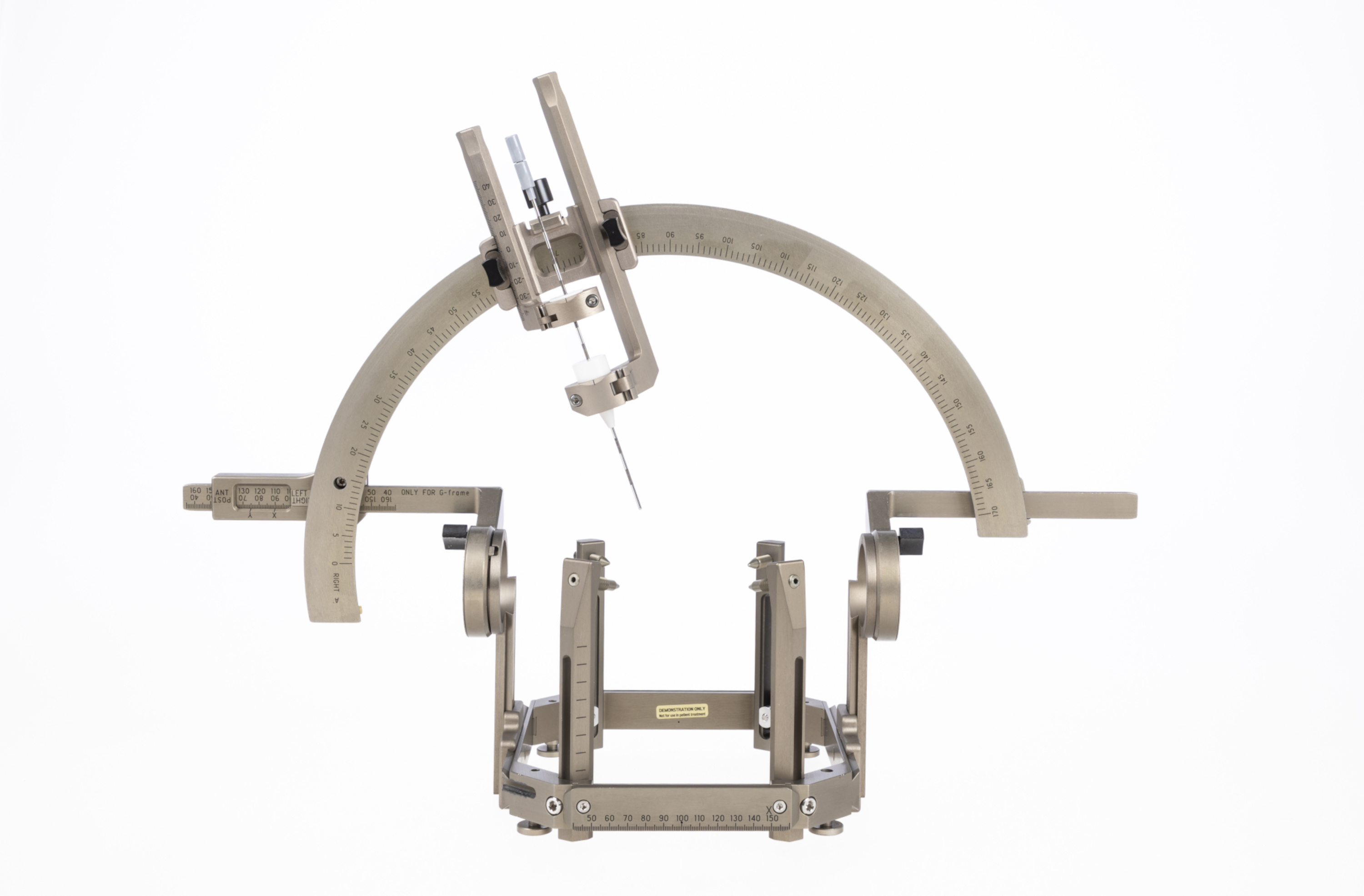
Stereotactic neurosurgery system for precise navigation within the brain – the basis of modern minimally invasive procedures and neurostimulation
© Technisches Museum Wien
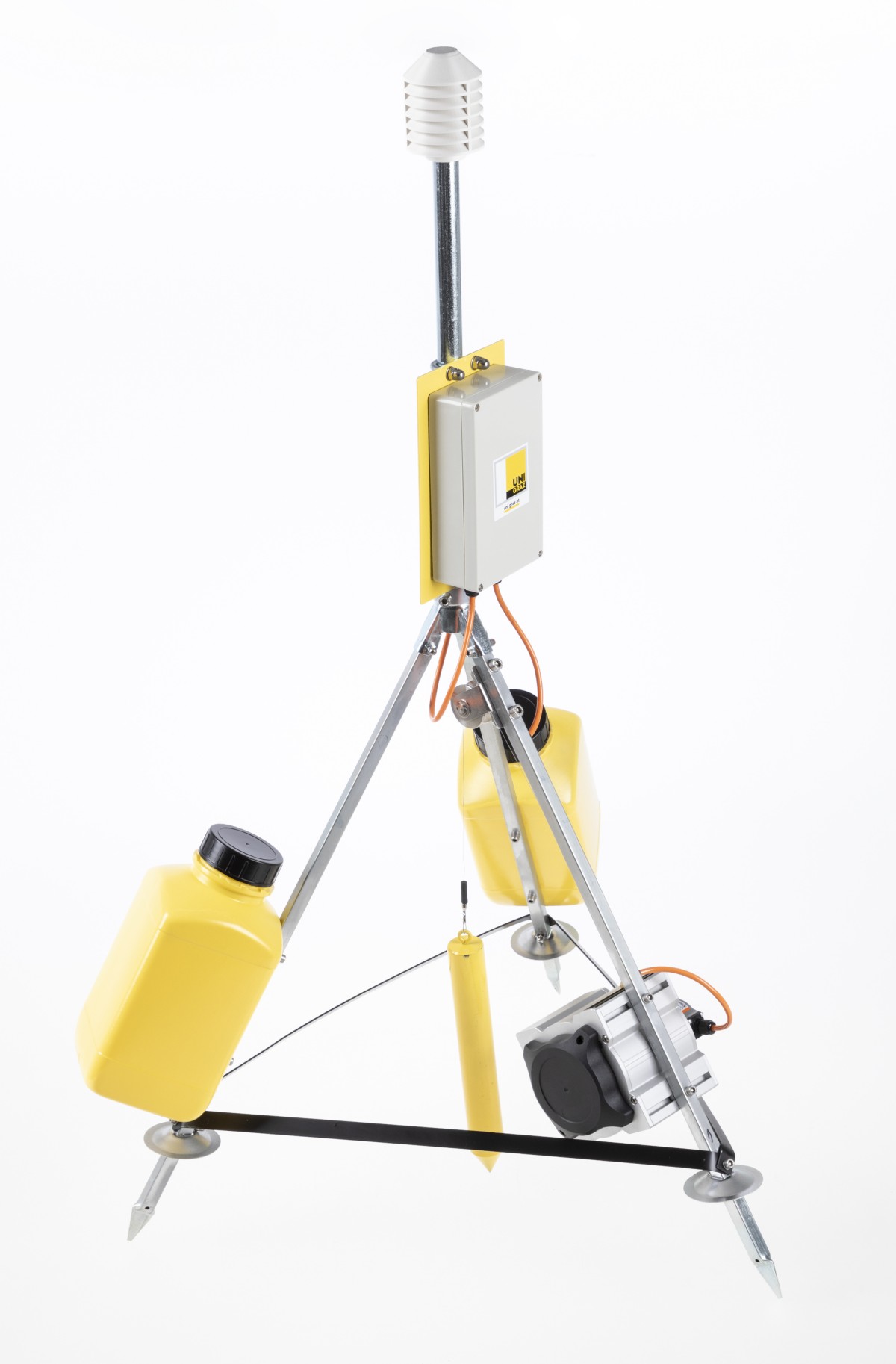
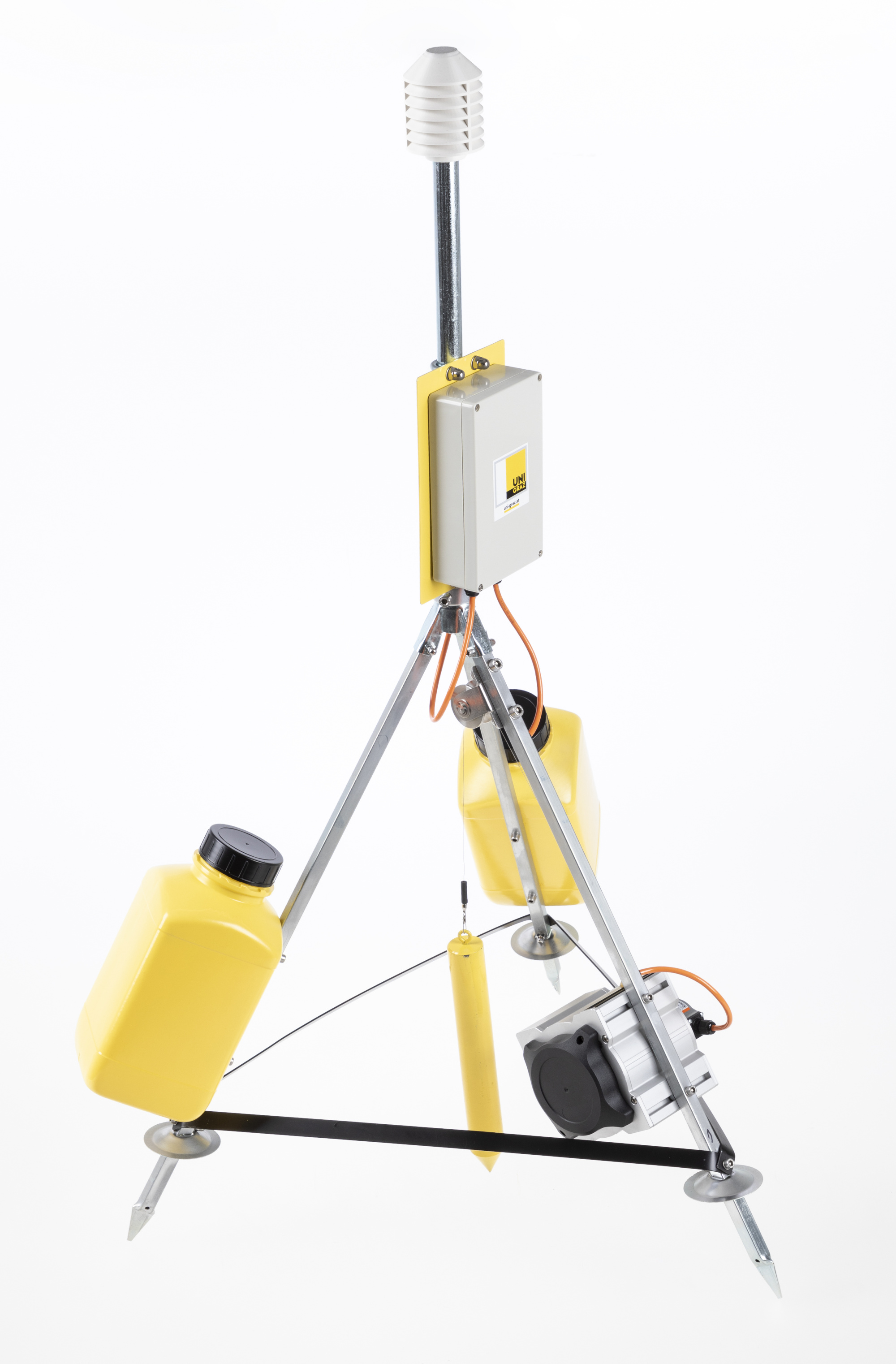
Modern ablation sensor for high-precision measurement of glacier retreat – technology used in contemporary climate research
© Technisches Museum Wien
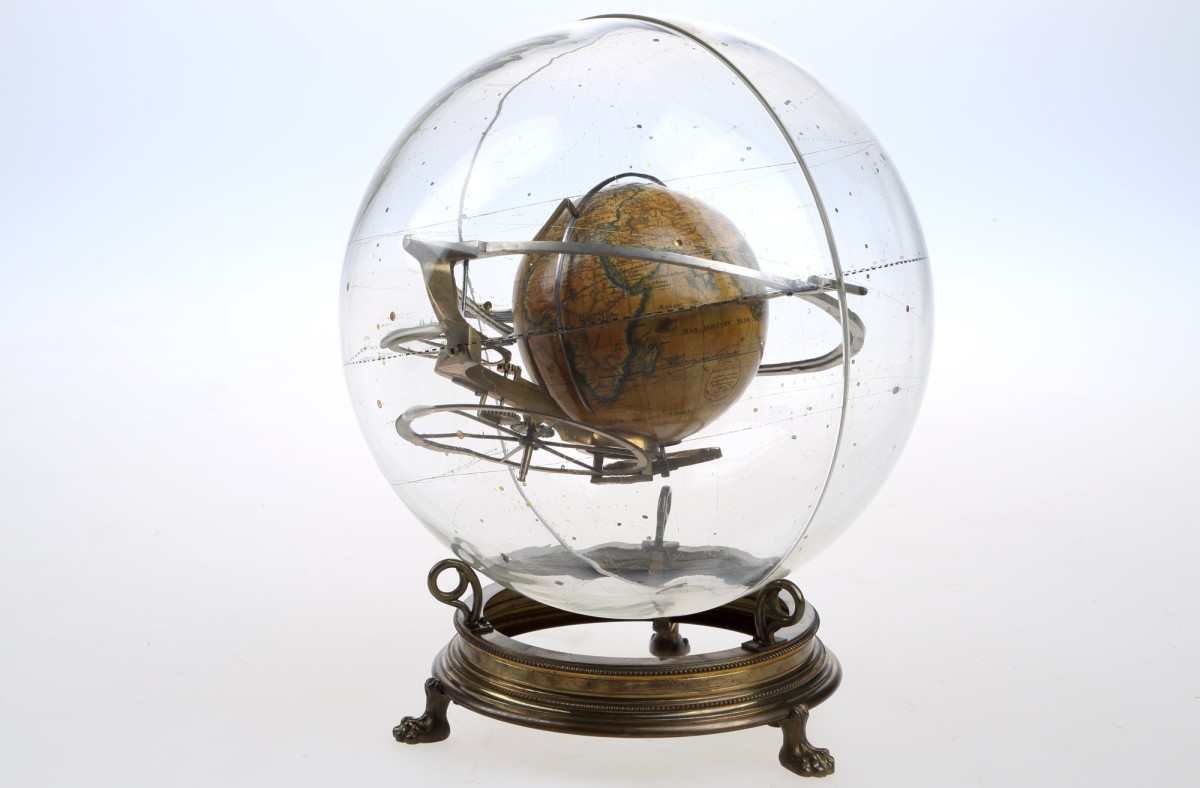
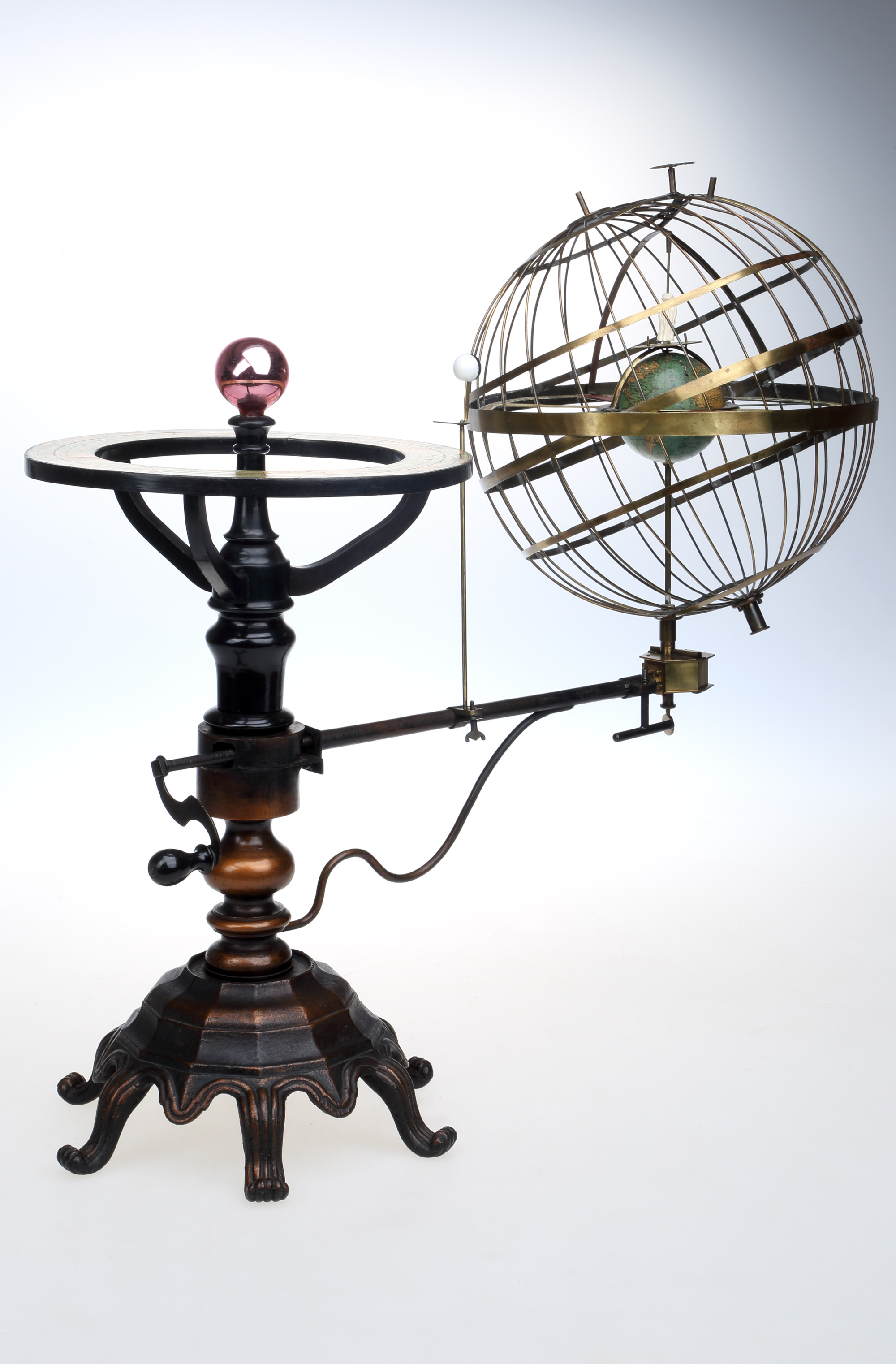
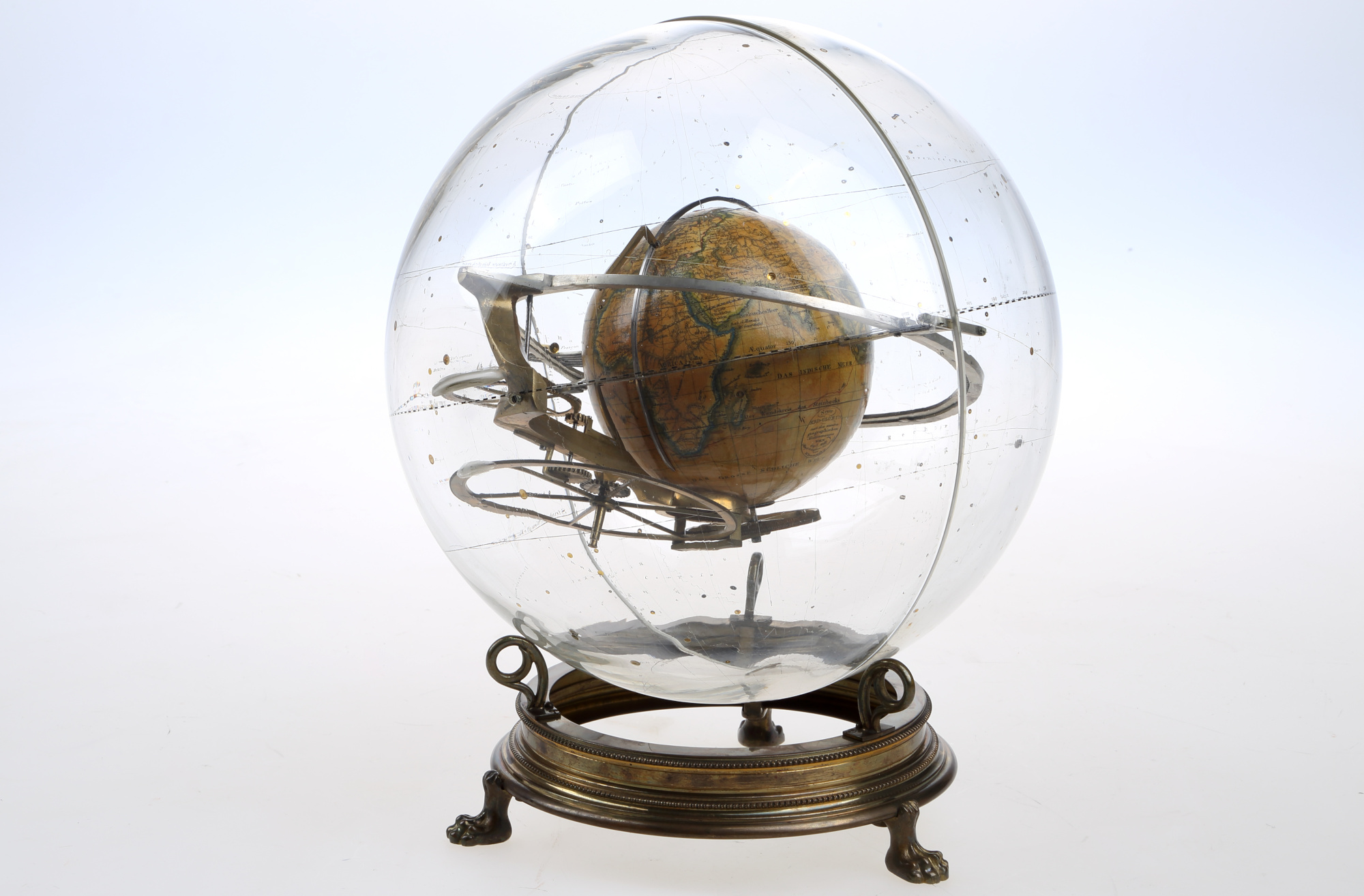
Chronoglobium with Earth and celestial globe – historical demonstration model for explaining day lengths, seasons and stellar movements